Participation in UNIS courses AB-329, AG-351, and AG-842, 2025
ETH Zurich
Lay summary
Description of the programme
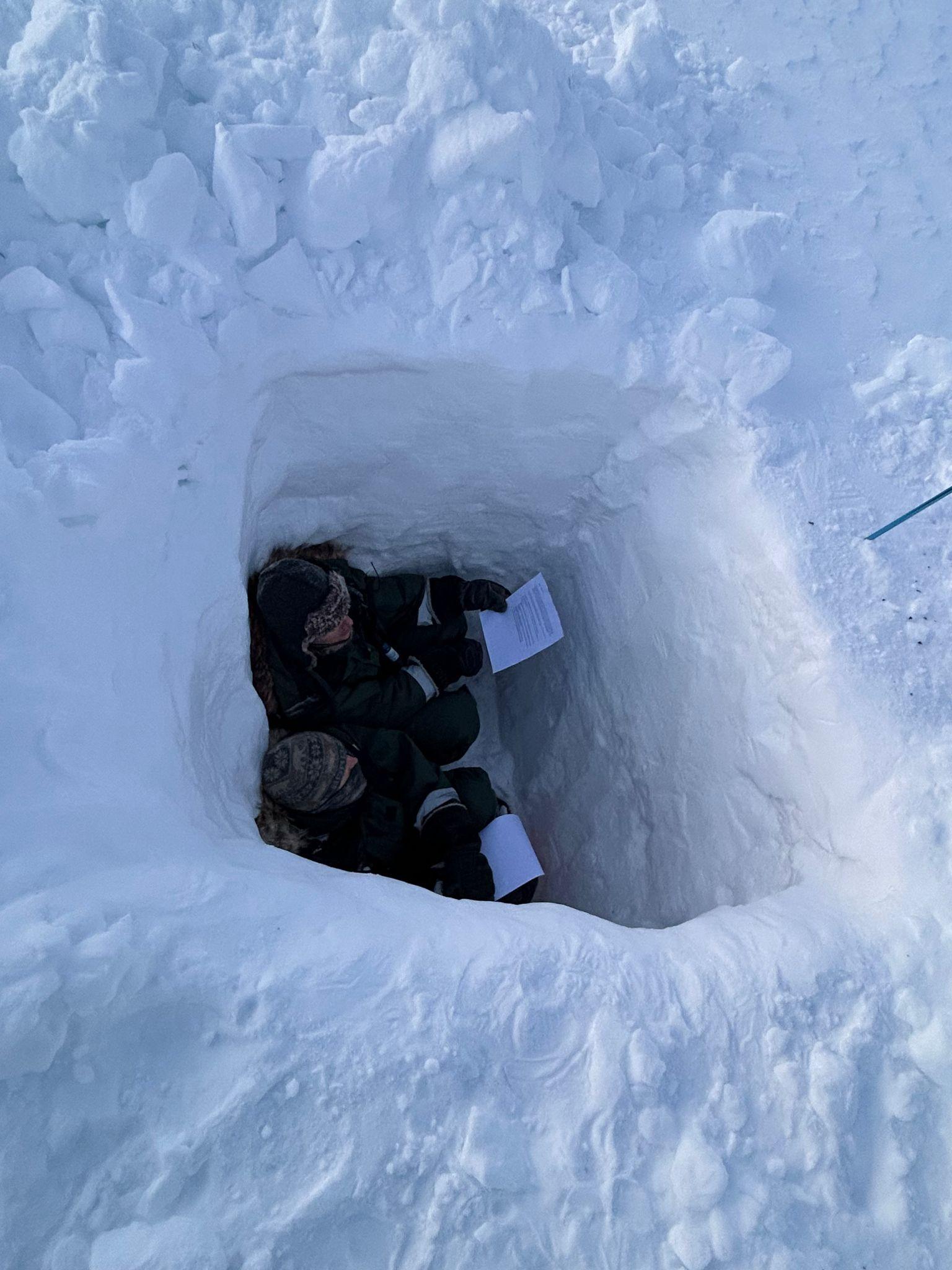
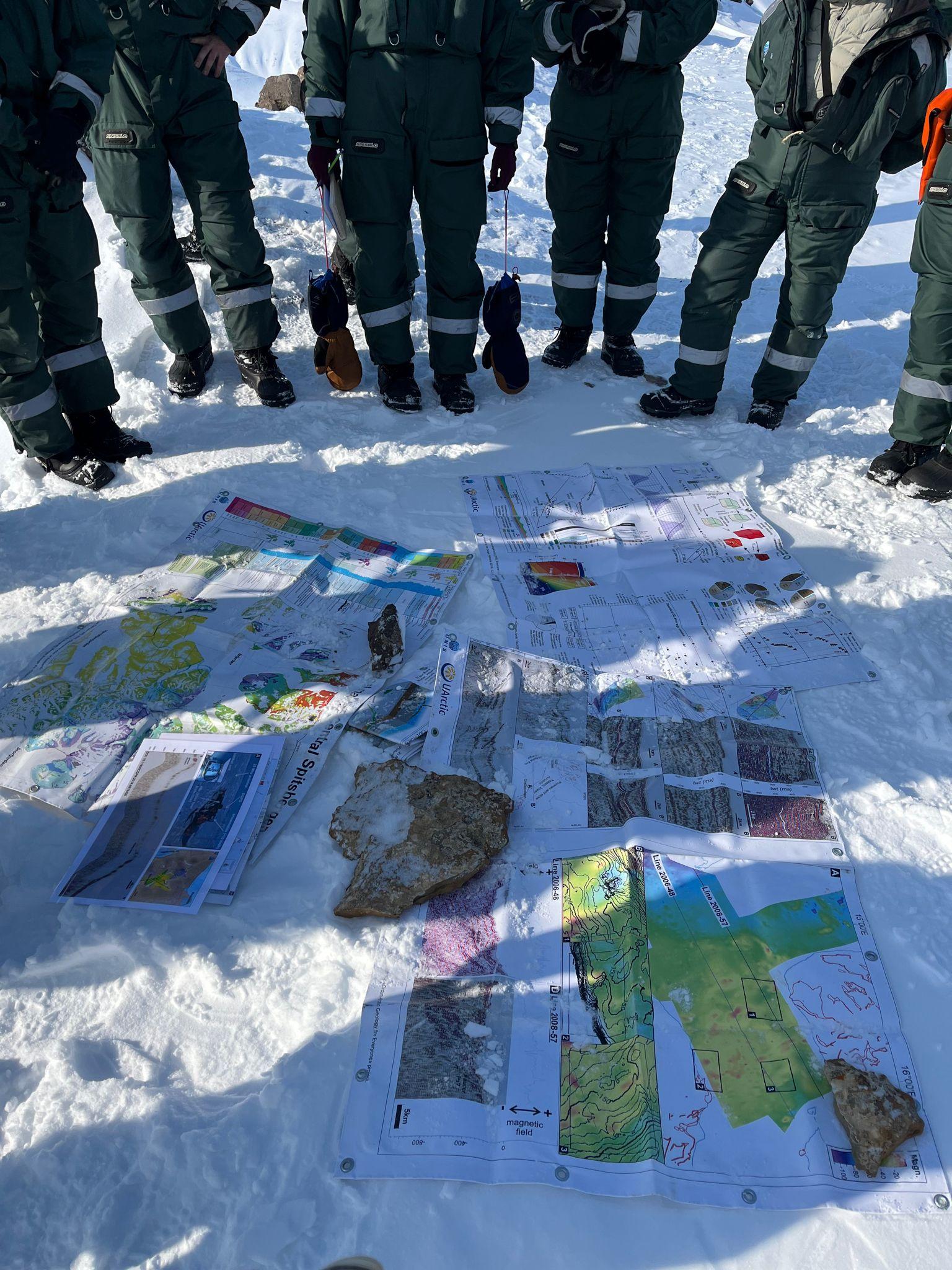
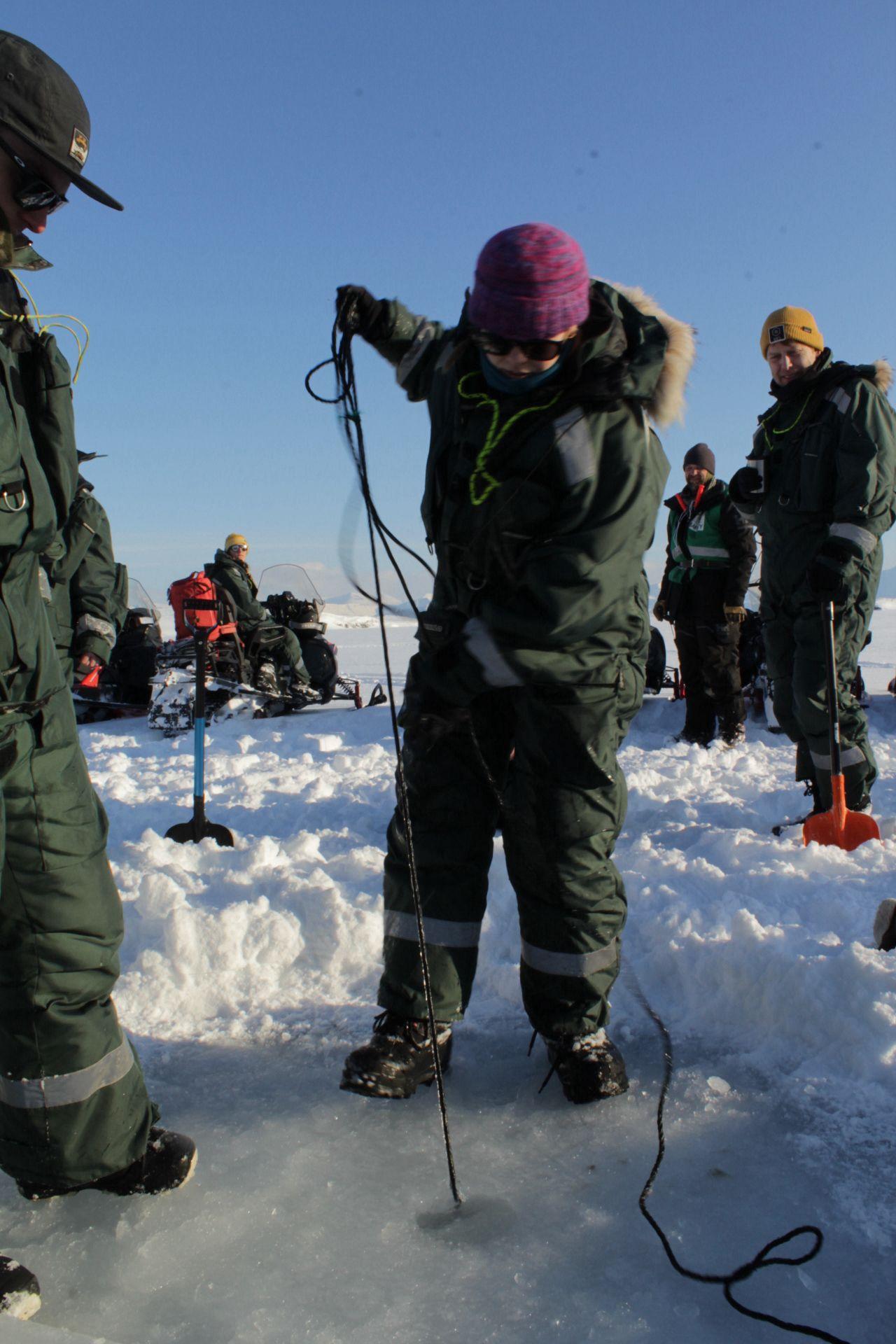
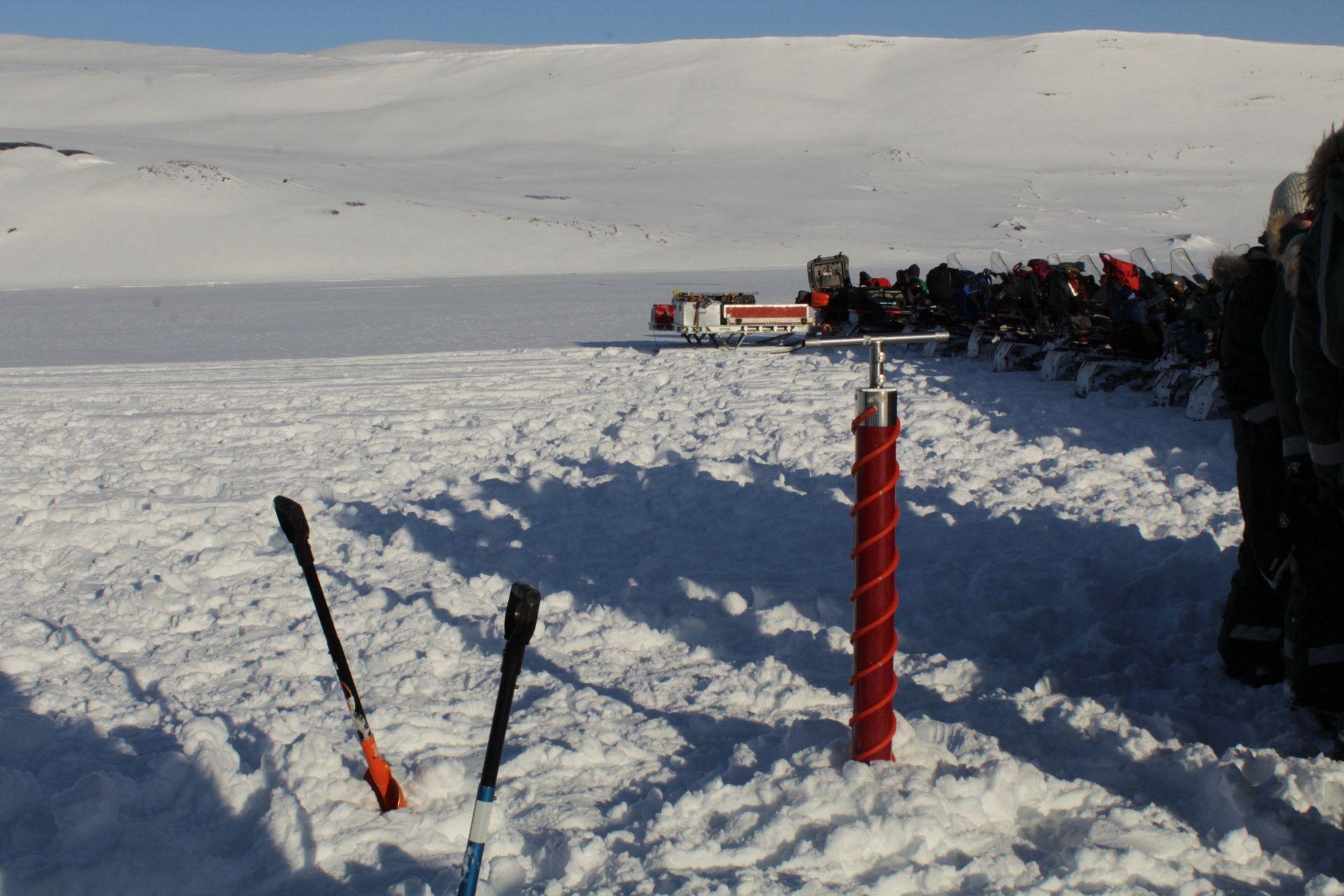
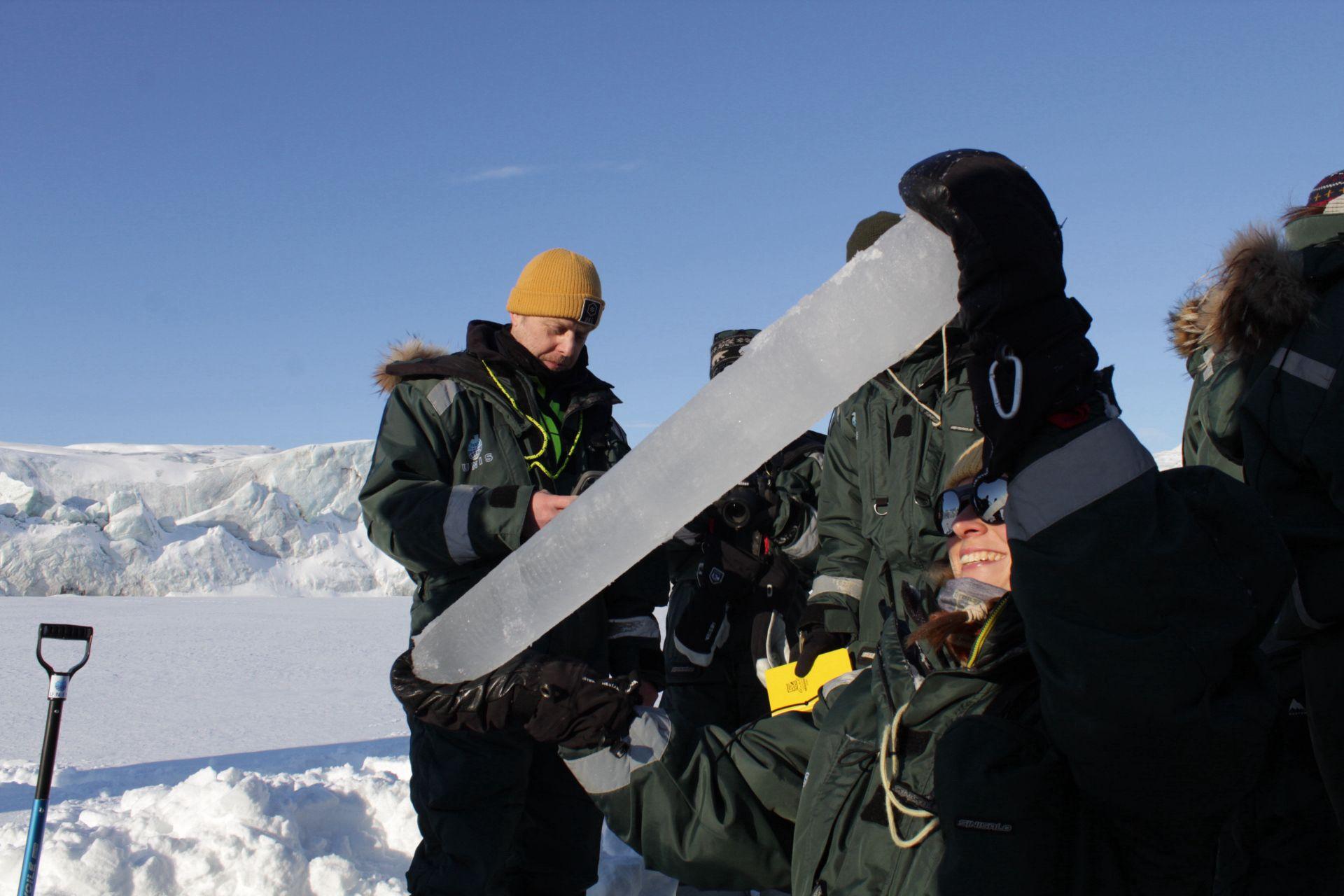
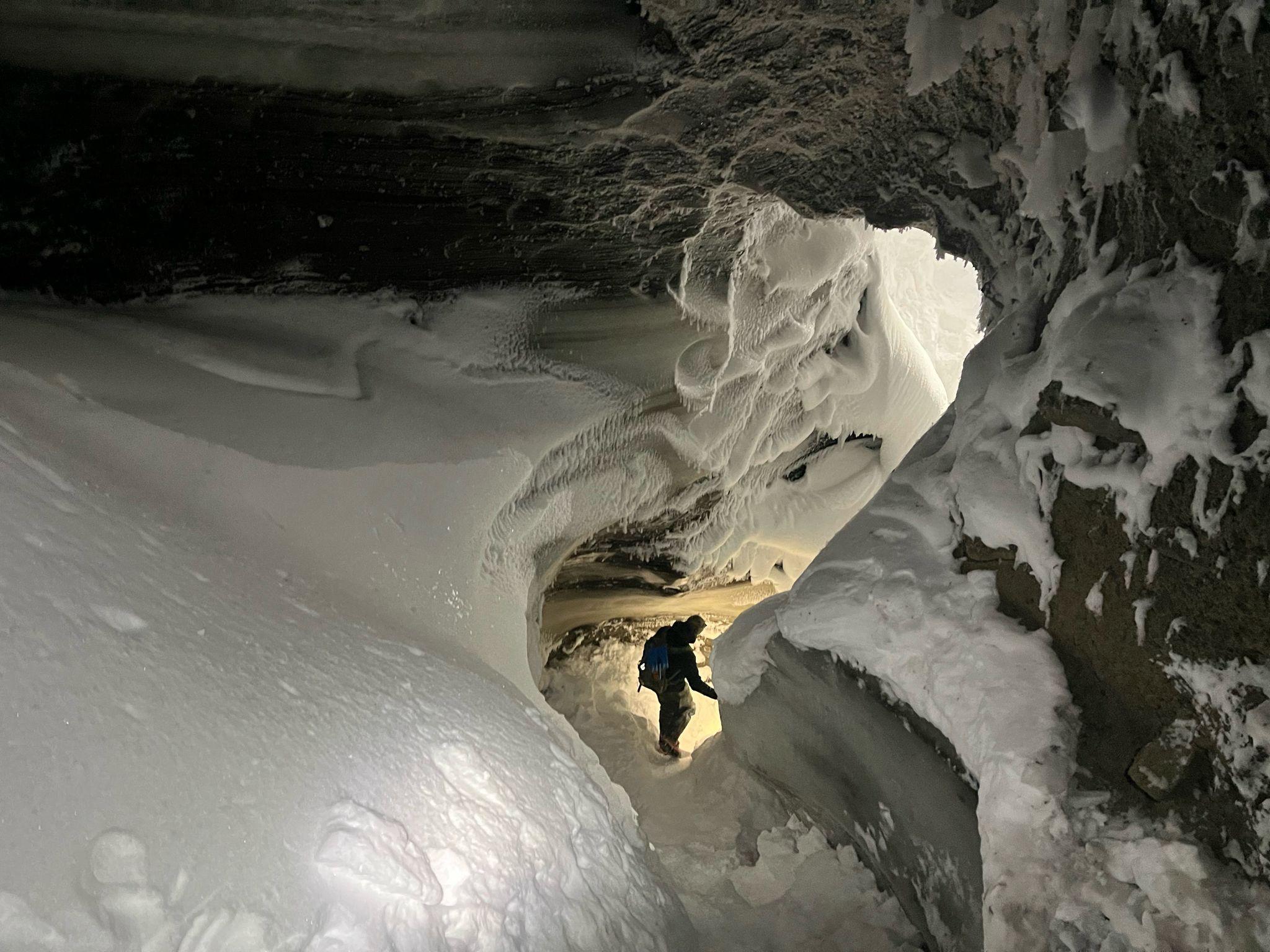
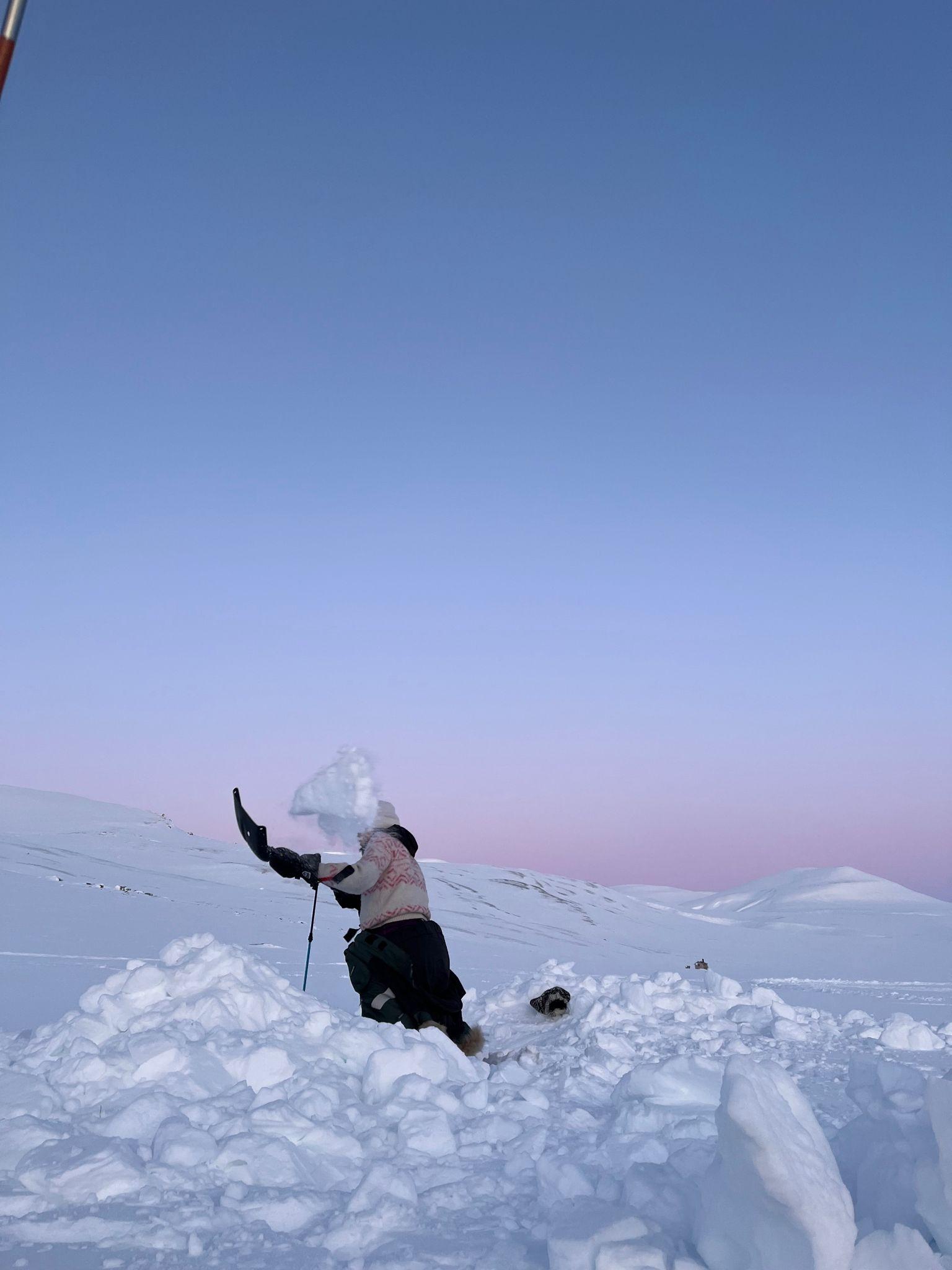
I attended three courses at the University Centre in Svalbard (UNIS). First, I had a week-long safety course. During the first eight weeks in January and February, I attended AB-329 Arctic Winter Ecology, which focused on the geophysical characteristics of seasonal, northern environments, the physical properties of snow and ice, and the adaptation and survival of terrestrial organisms during the Arctic winter in contrasting habitats, ranging from tundra to glaciers. During the next seven weeks in March and April, I took AG-342 The Marine Cryosphere and its Cenozoic History, which focused on analysing and taking ice cores, and modelling how glaciers behave to study components like sea ice, ice sheets, and subsea permafrost, with emphasis on fieldwork. In the last seven weeks until the beginning of June, I took AG-351 Arctic Tectonics and Volcanism, which focused on Svalbard's geology and how it is connected to the Arctic large igneous province we learned a lot about the CO2 lab in Svalbard and got an insight into the grant application for Svalclime.
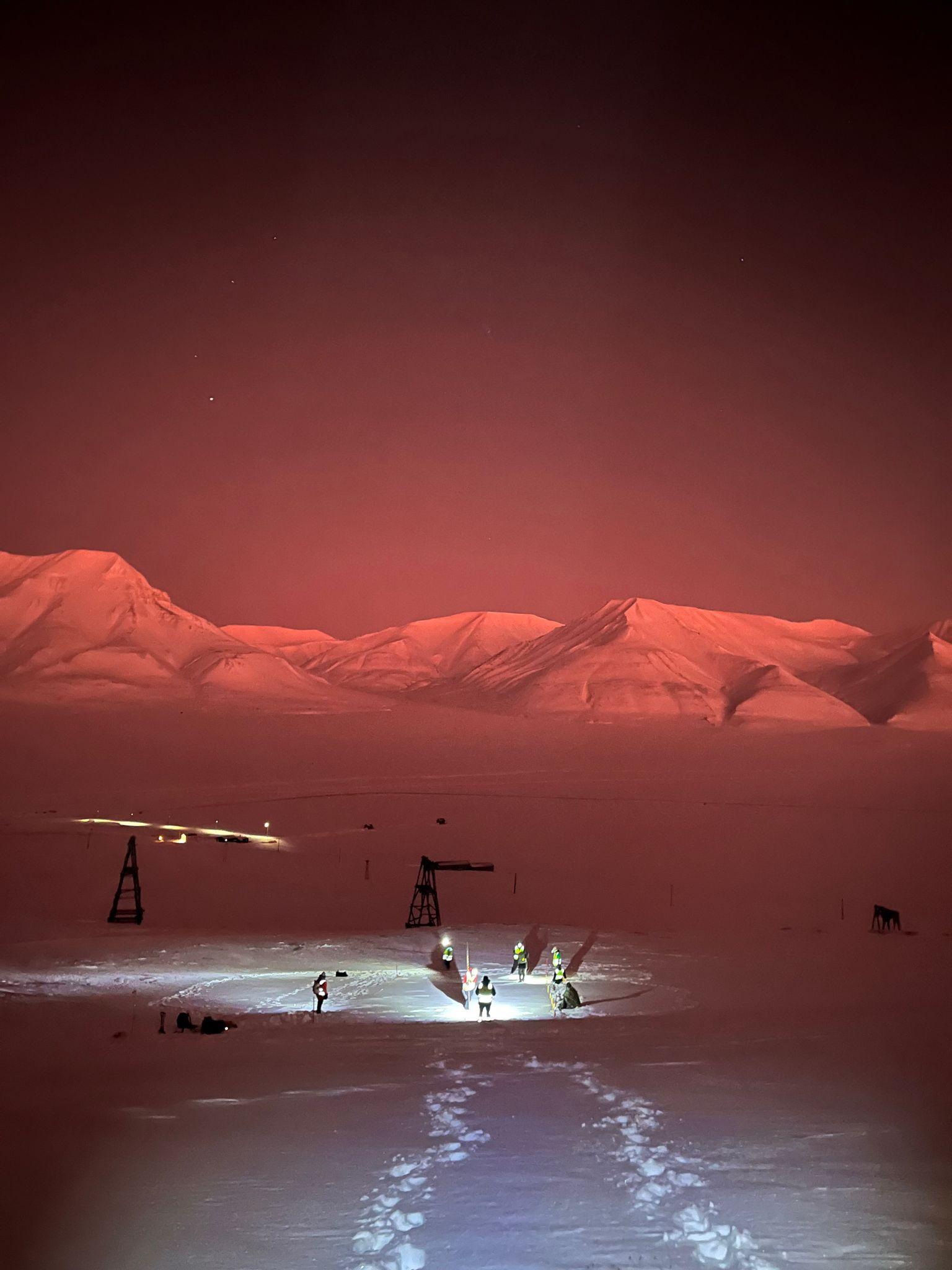
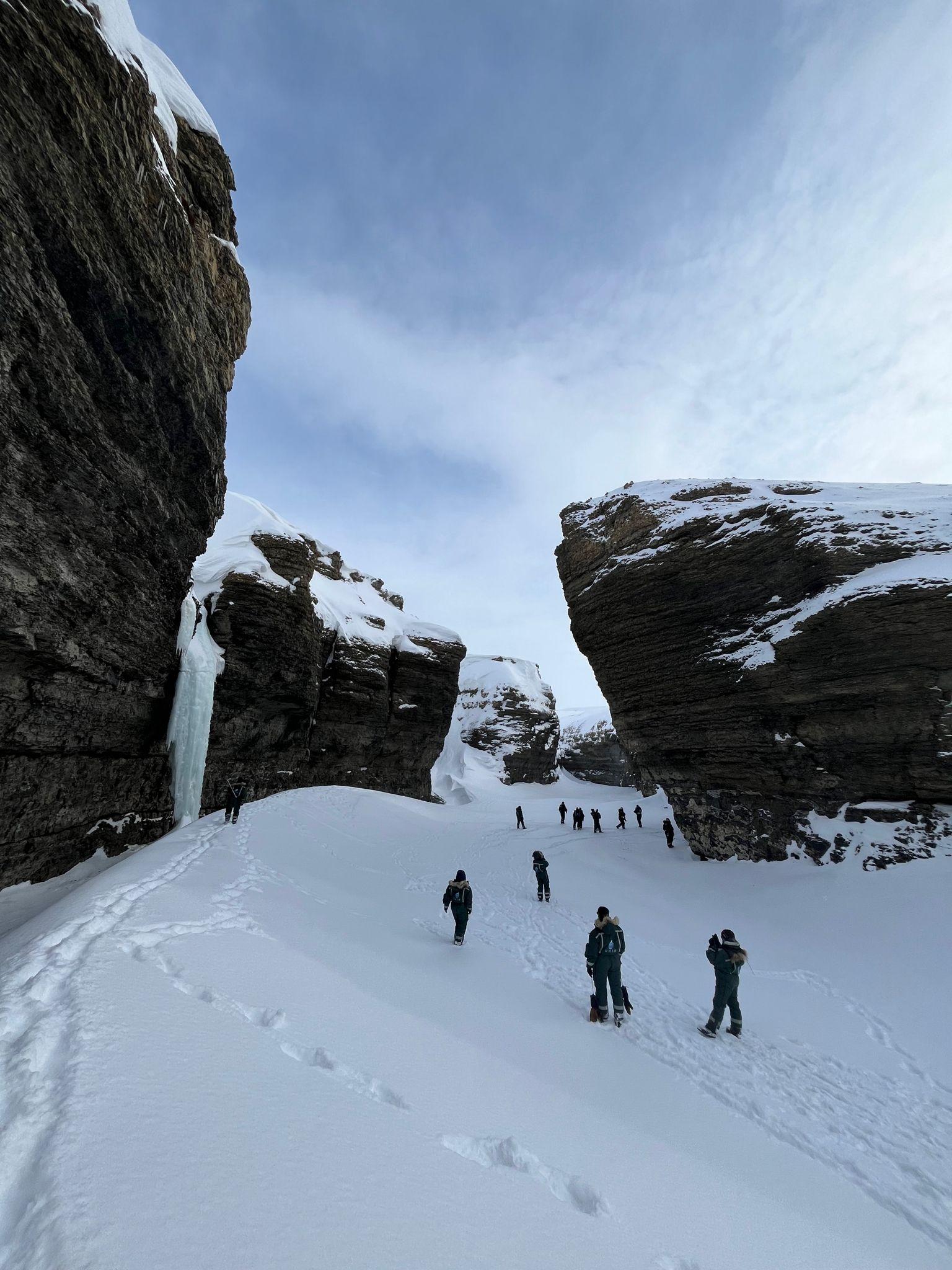
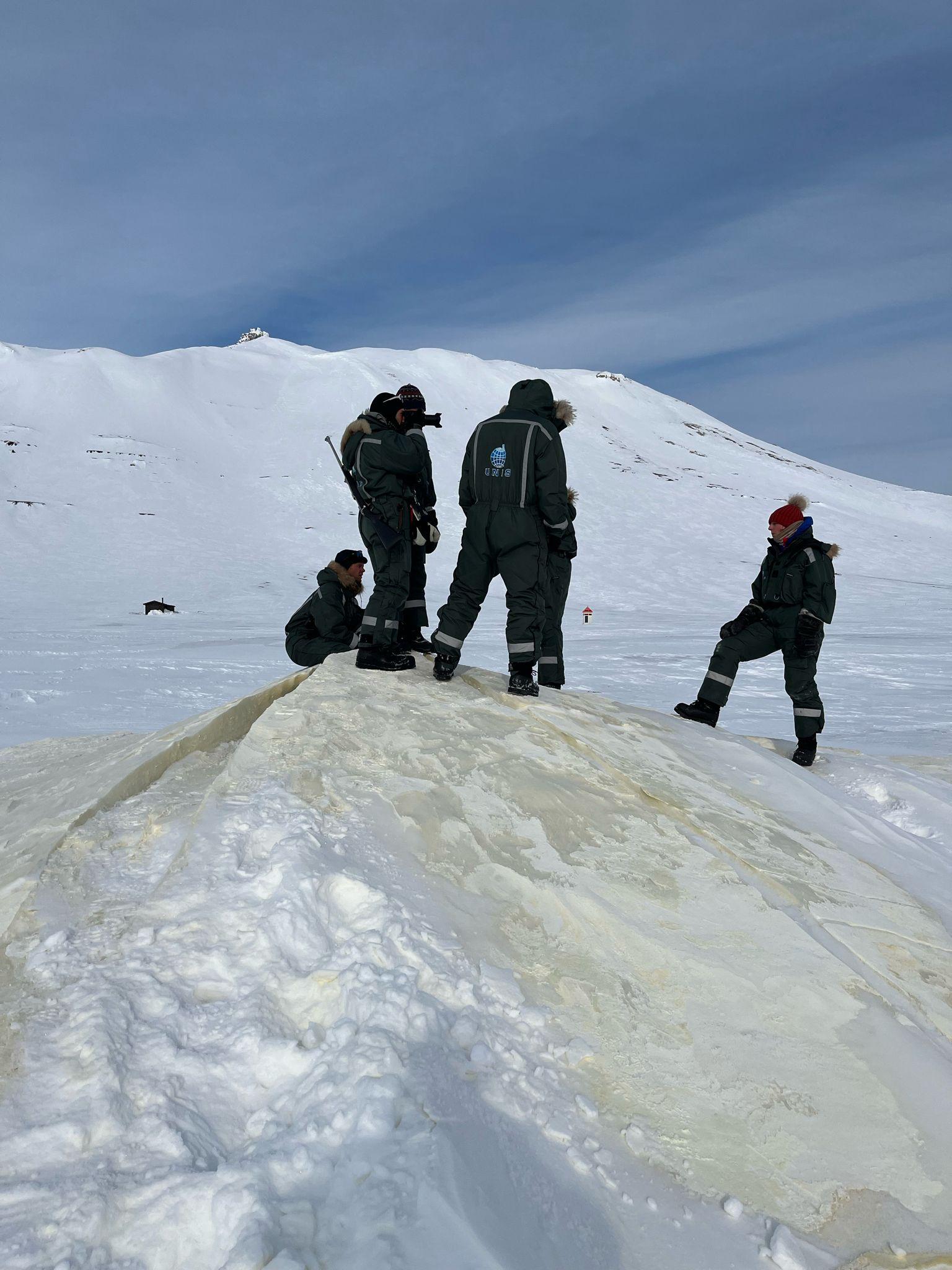
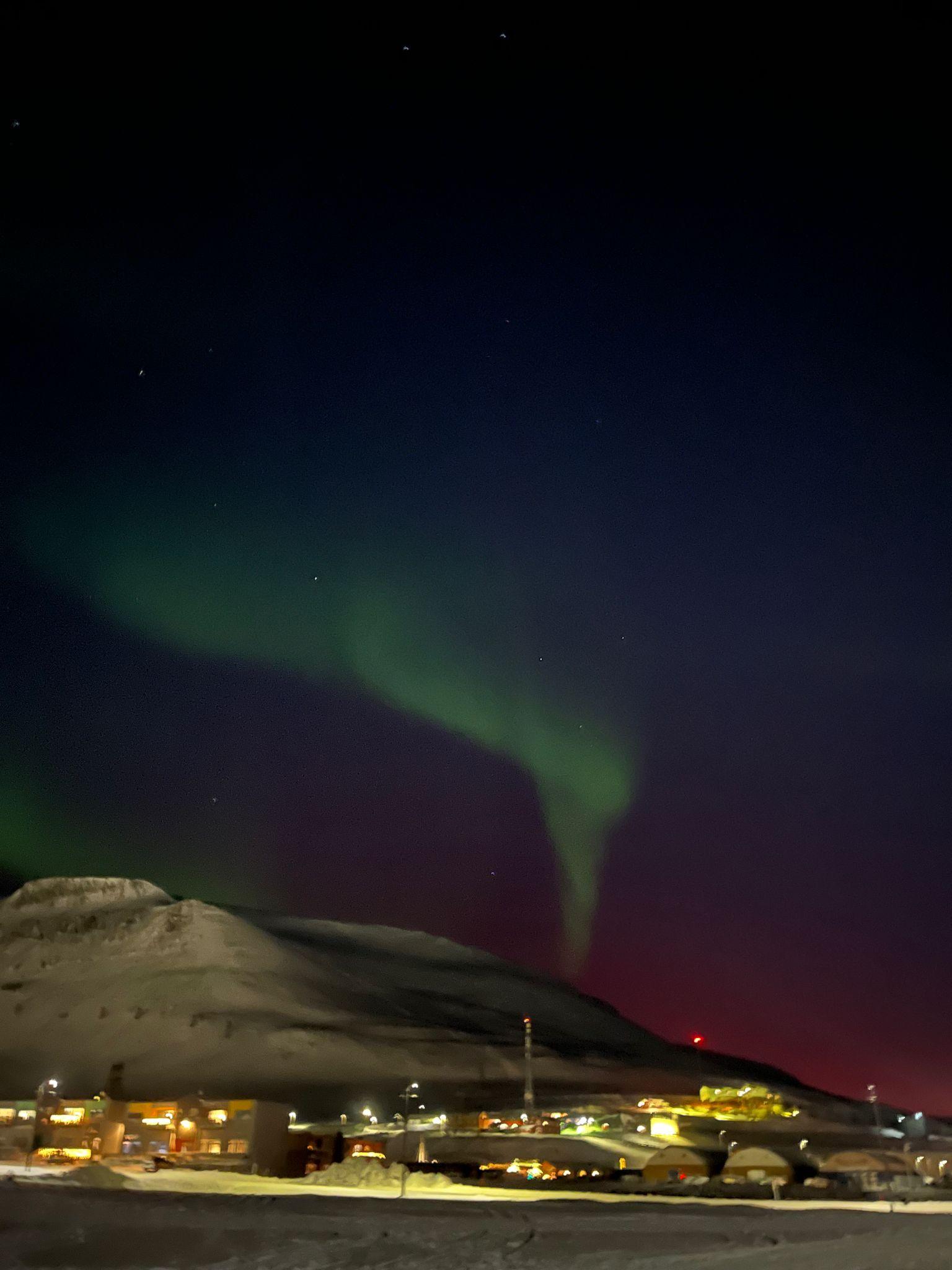
The main positive feature was the fieldwork and to see how much this environment changed within 6 months and went from complete darkness during polar night to the sun never setting during the polar day.
How did you benefit from the programme?
I am currently doing my Master's in earth sciences at ETH Zürich, majoring in geology. During my master's, the focus in fieldwork was on Alpine fieldwork, so seeing it done in a completely different environment where you have to be prepared for every eventuality was very beneficial for me. Especially in the first course we were very involved with planning everything and really got to see
behind the scenes of how much work is required before you can go out. I learned lots of new techniques and got insights into grant writing and since the courses were combined Master and PhD courses, it got more clear to me what and what I am interested in and what is important to me in a possible PhD position.
What were the highlights of the training?
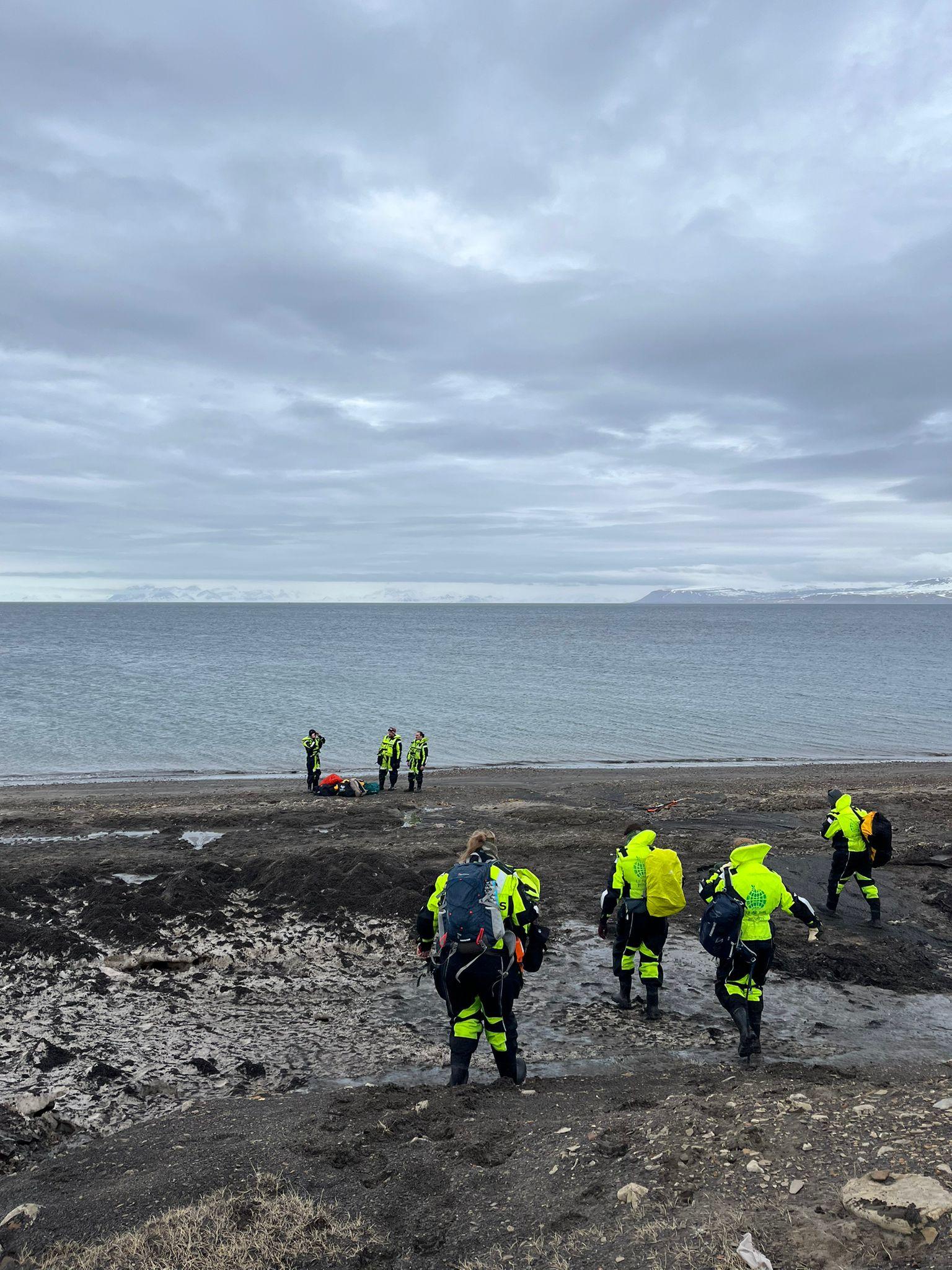
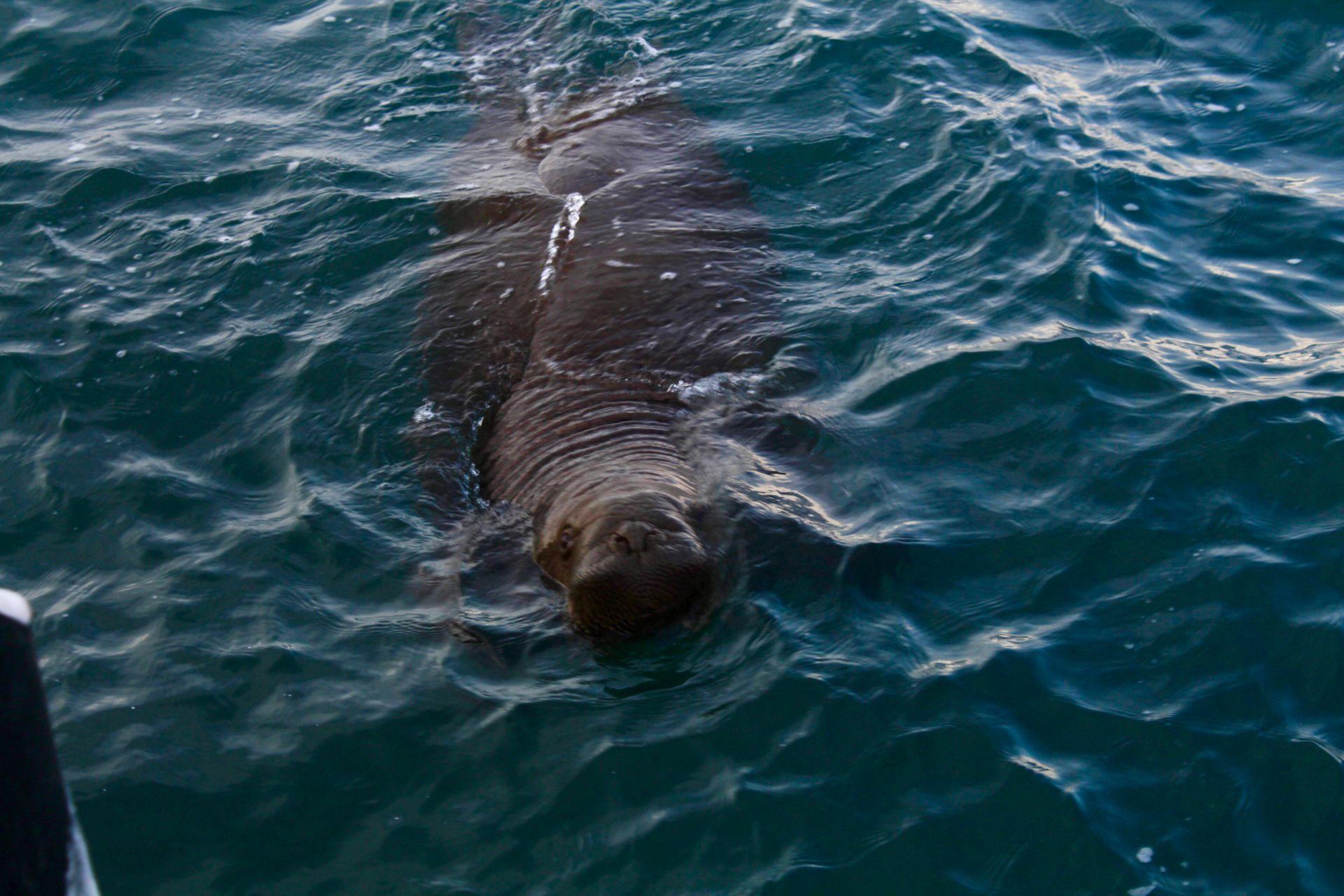
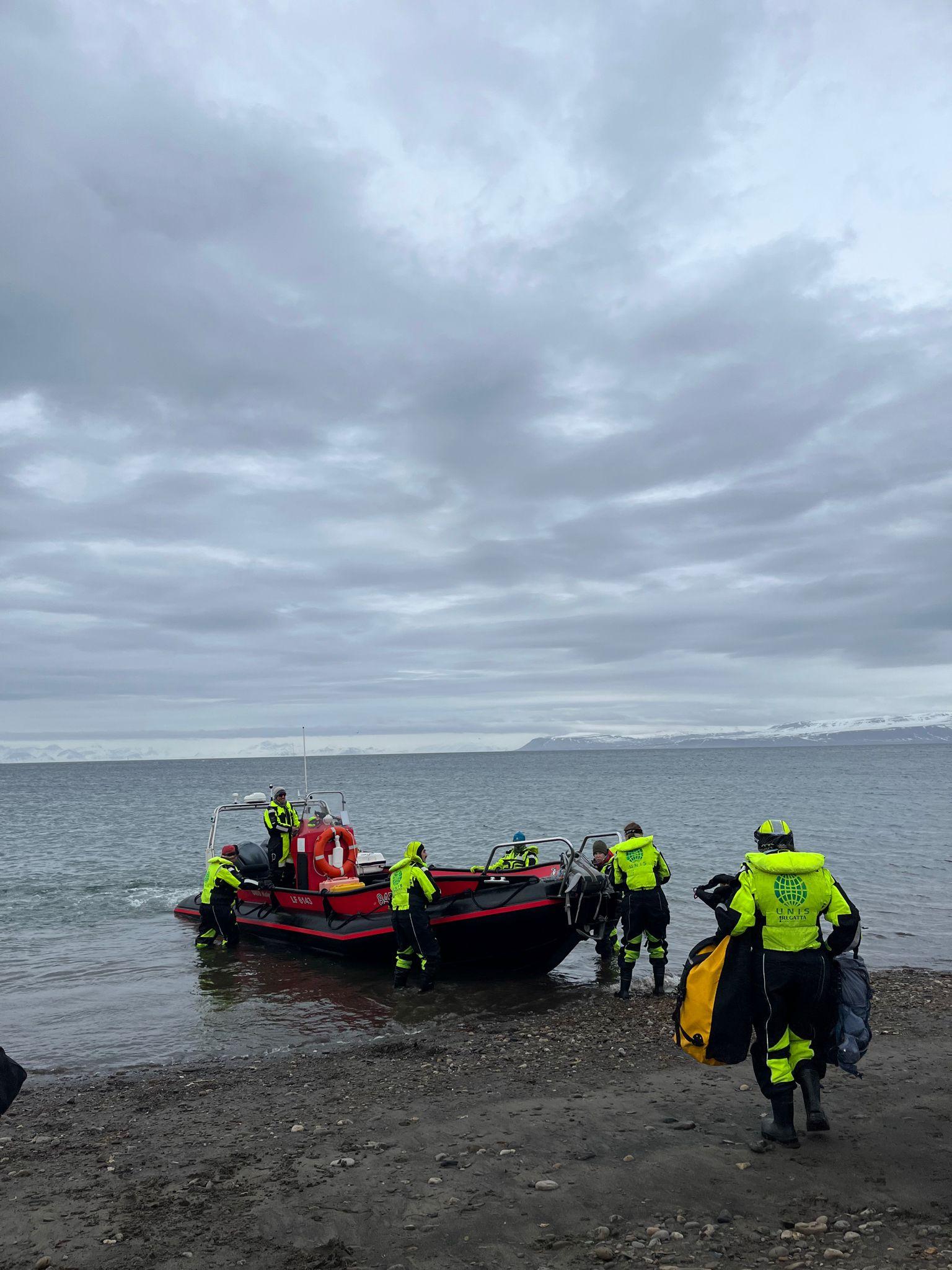
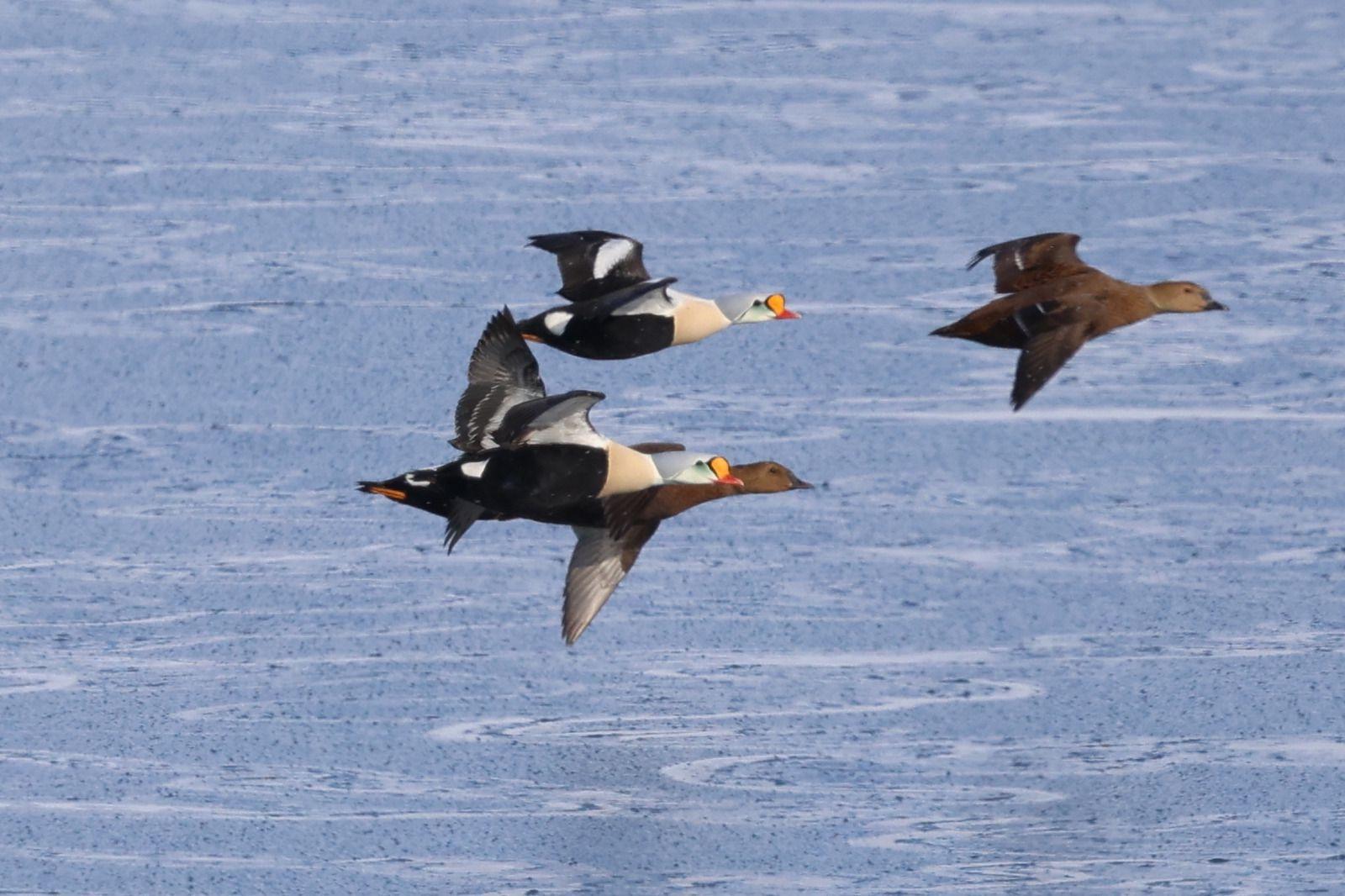
My personal highlight was seeing how everything changed so much from the beginning of January where you could only see where the light of the headlamp reached to seeing more and more of the mountains that surrounded the town until the first sunrise. It was also interesting to see how it went from only a few animals on the island to a lot of birds returning. My highlights were also to do field work,
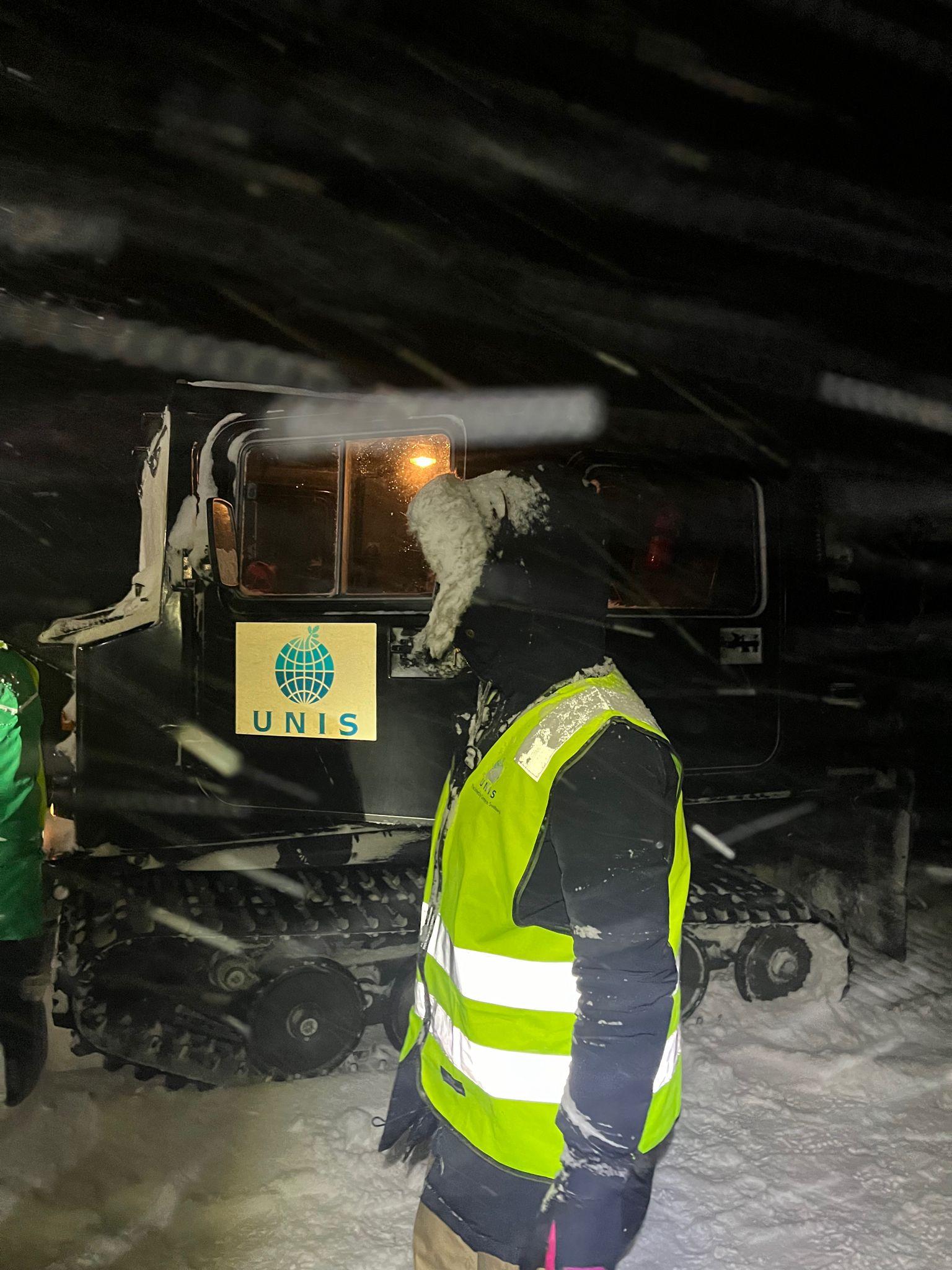
driving snowmobiles, going out on boats, and making a lot of new friends.
Would you recommend the programme to other students?
Yes, I would recommend the project to anyone who is interested in Arctic science and especially the field work that comes with it. One major strength of the programmes is its location and the safety training that gets provided to everyone who arrives, so that I felt very secure being outside and I knew that the other ones were trained as well and in an emergency situation would know what to do.
However, it is also important to know that attending UNIS requires a lot of flexibility, organisation could definitely be improved and it is important to know that before you apply. So sometimes administration as well as planning can take a little bit long.
Details
| Regional focus | Arctic |
| Location | Svalbard |
| Funded amount | 1,500 CHF |
| Project dates | 8th January 2025 – 6th June 2025 |
| Category | Field and Summer Schools |