Modular Aerosol Measurement System
Haute école spécialisée de Suisse occidentale - HES-SO
Lay summary
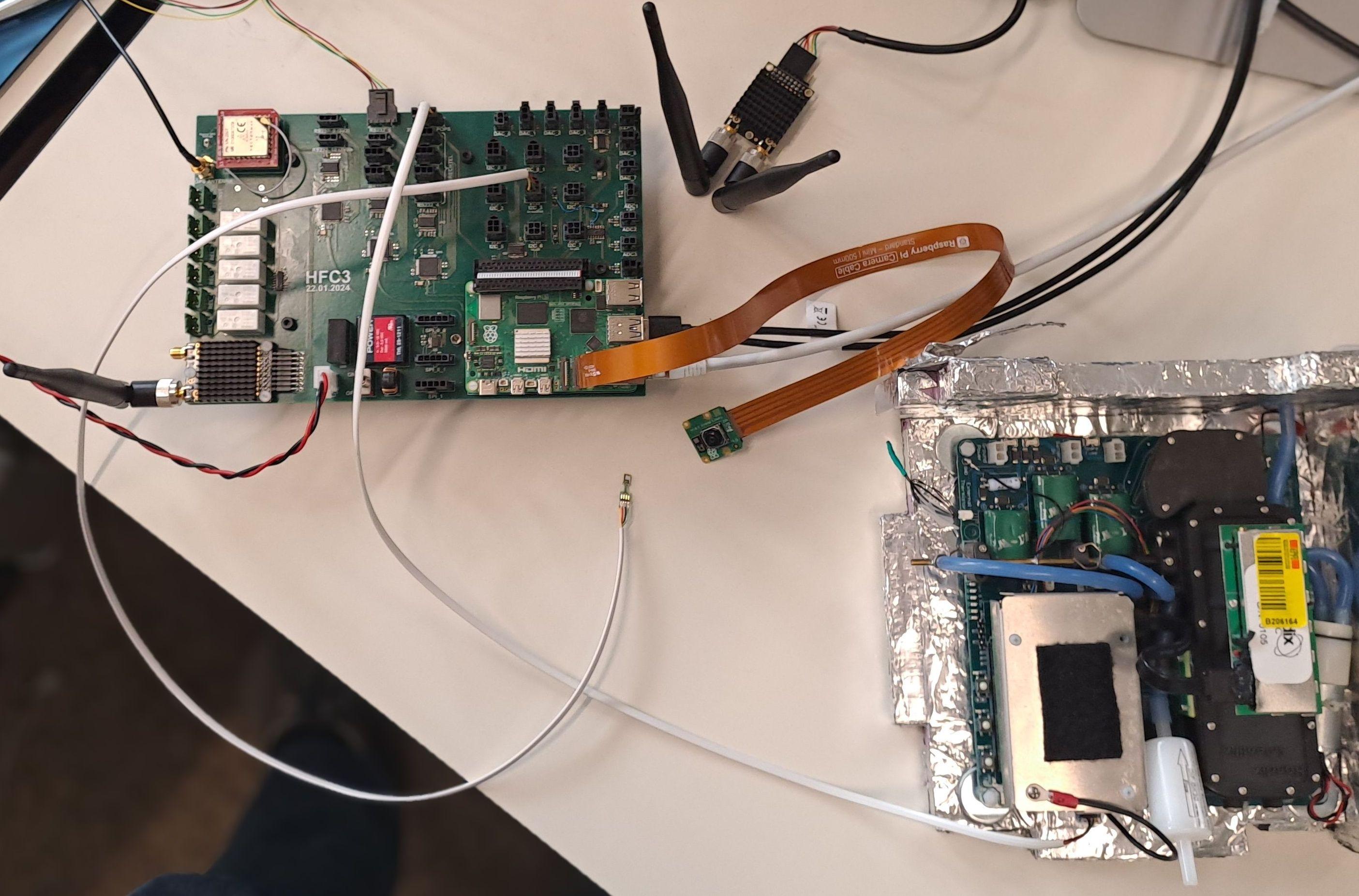
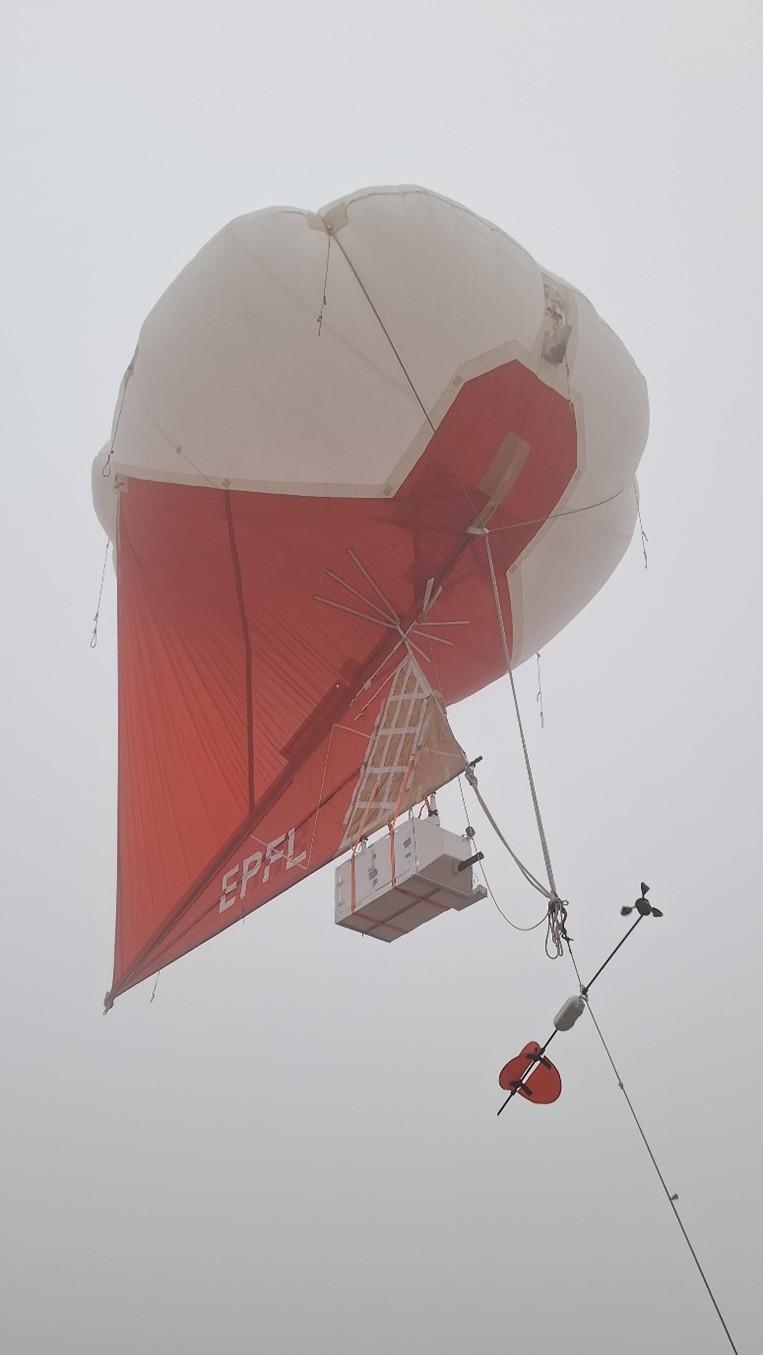
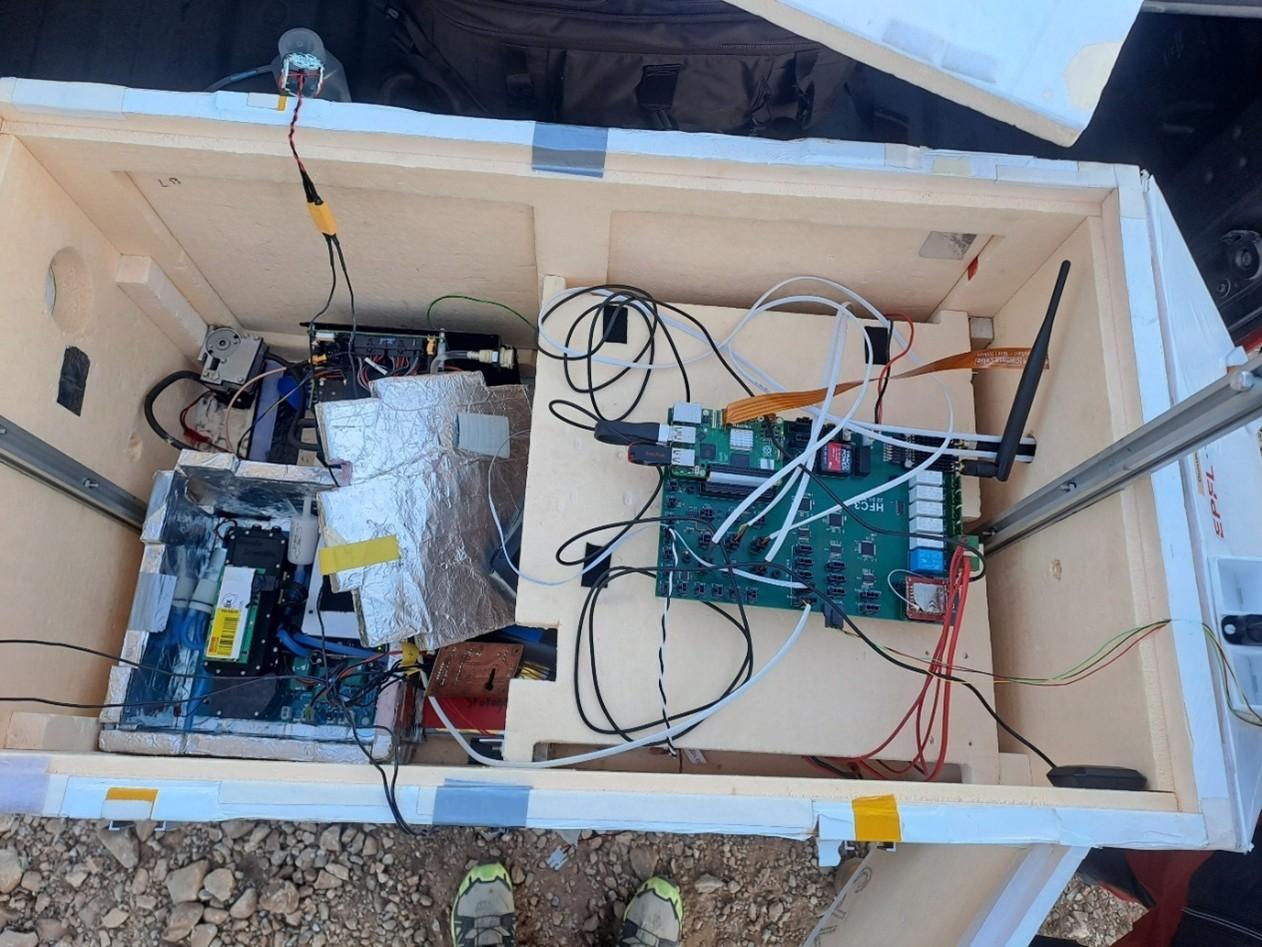
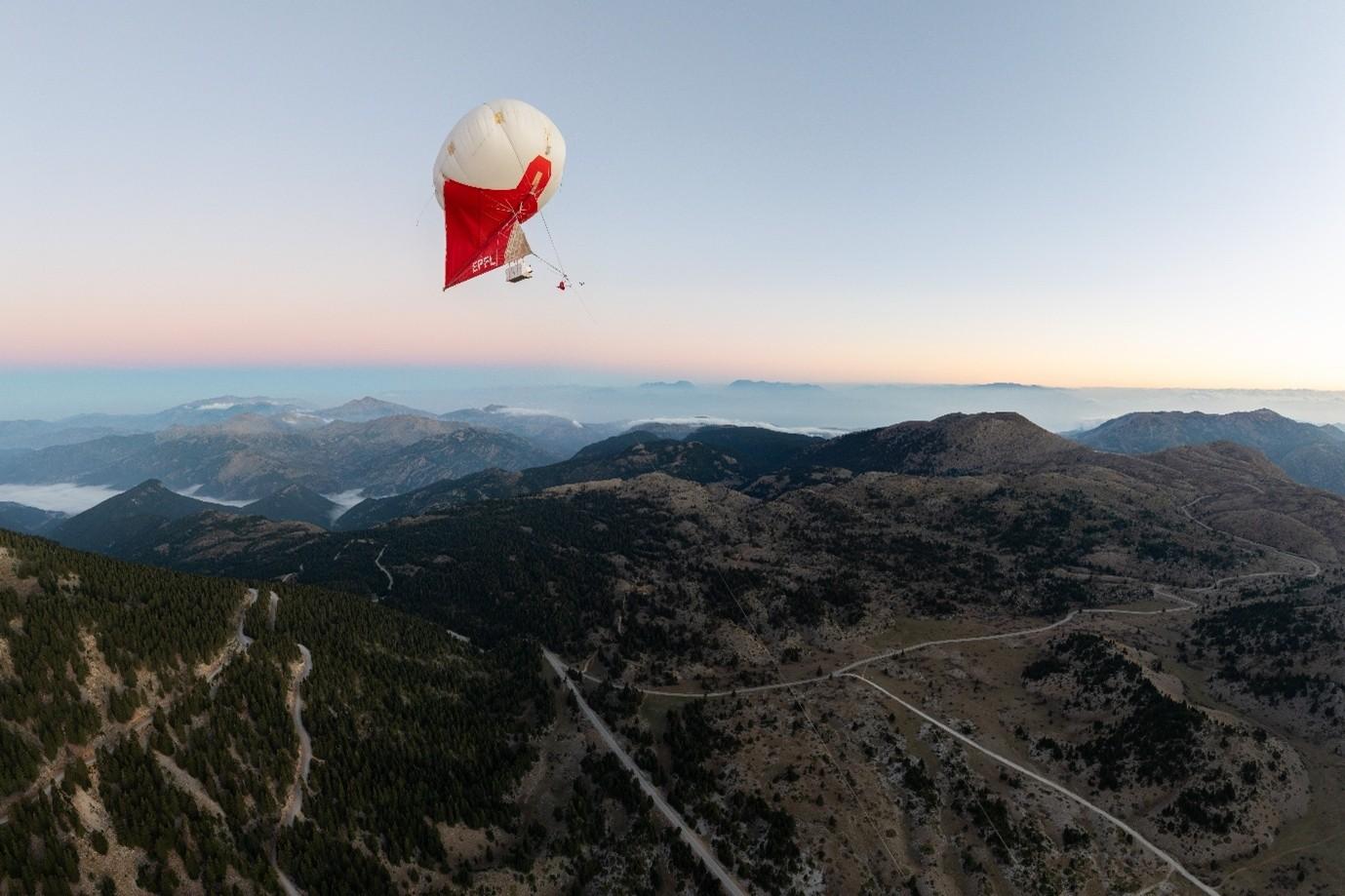
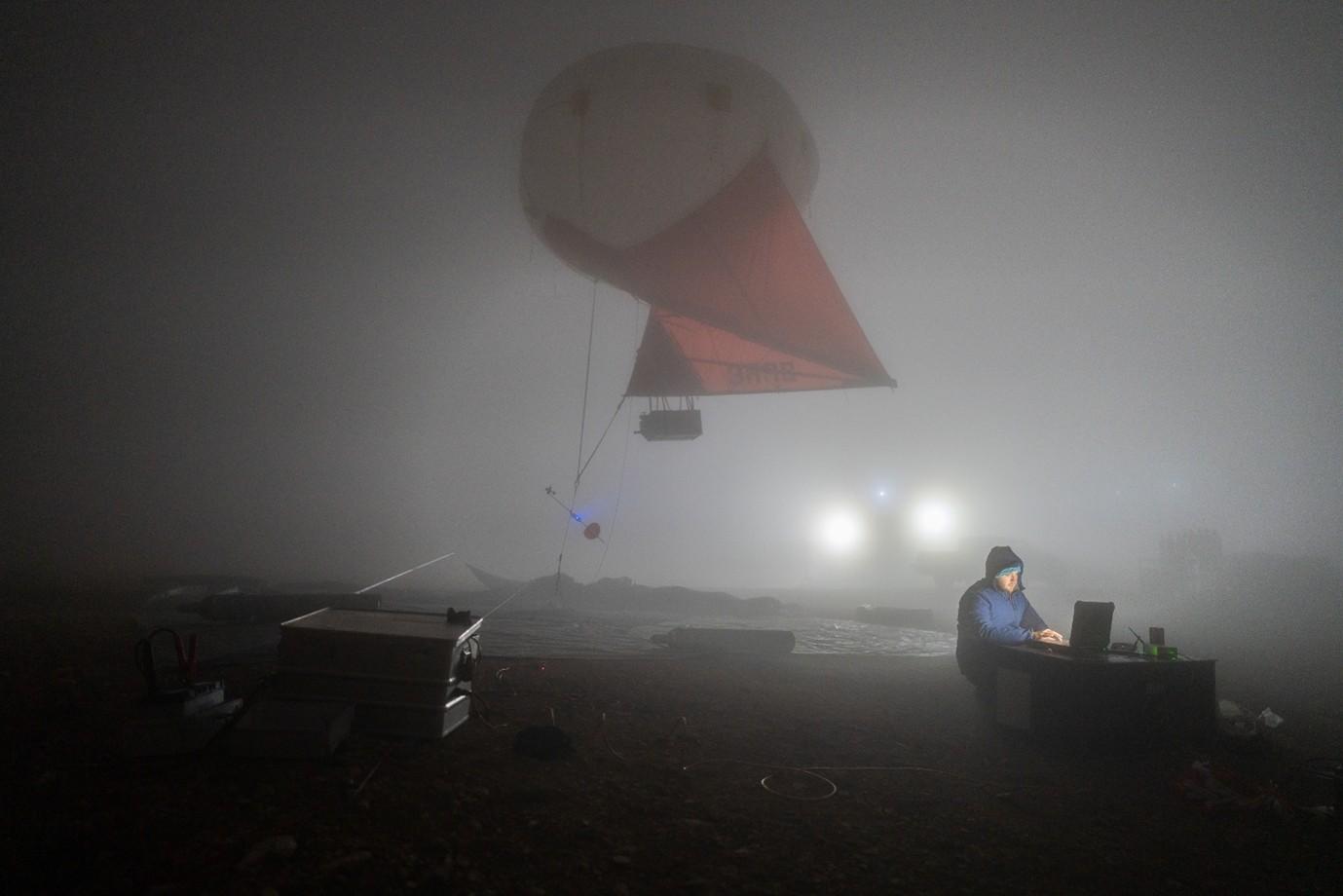
In the Modular Aerosol Measurement System (MAMS) project, HES-SO Valais and EPFL jointly develop new experimental facilities for determining vertical profiles of aerosols in the atmosphere. These new instruments shall be tested with the helikite (tethered balloon) of the Extreme Environment Research Lab (EERL) led by Prof. Julia Schmale. The new instrumentation shall target one specific research question: What is the chemical composition of fine particulate matter and how does it change in the lower atmosphere? To date chemical composition of aerosols can only be determined with heavy and bulky instrumentation. Here we propose to develop two light-weight systems to be flown on the tethered balloon that can deliver real-time information: (i) a light-weight and energy efficient thermodenuder to be coupled with an existing scanning mobility particle spectrometer to identify volatile compounds as a function of particle size (the chemical composition can be inferred with thermogram models); and (ii) a miniature plasma-reactor coupled spectrometer targeting specifically organic compounds. The general chemical composition and organics, particularly, provide the necessary information about aerosol origin. Knowing the origin is indispensable to determine the anthropogenic contribution to radiative forcing that is driving climate change, and we particularly lack information in high altitude and polar regions. With this new real-time information, in-flight decisions become possible to optimise balloon flights. Therefore, we also develop data acquisition and streaming able to transmit data to a ground station where they can be displayed live. Following development in the laboratory, two field campaigns are planned at Mount Helmos inGreece, and Neumayer Station in Antarctica.
Details
| Regional focus | Arctic |
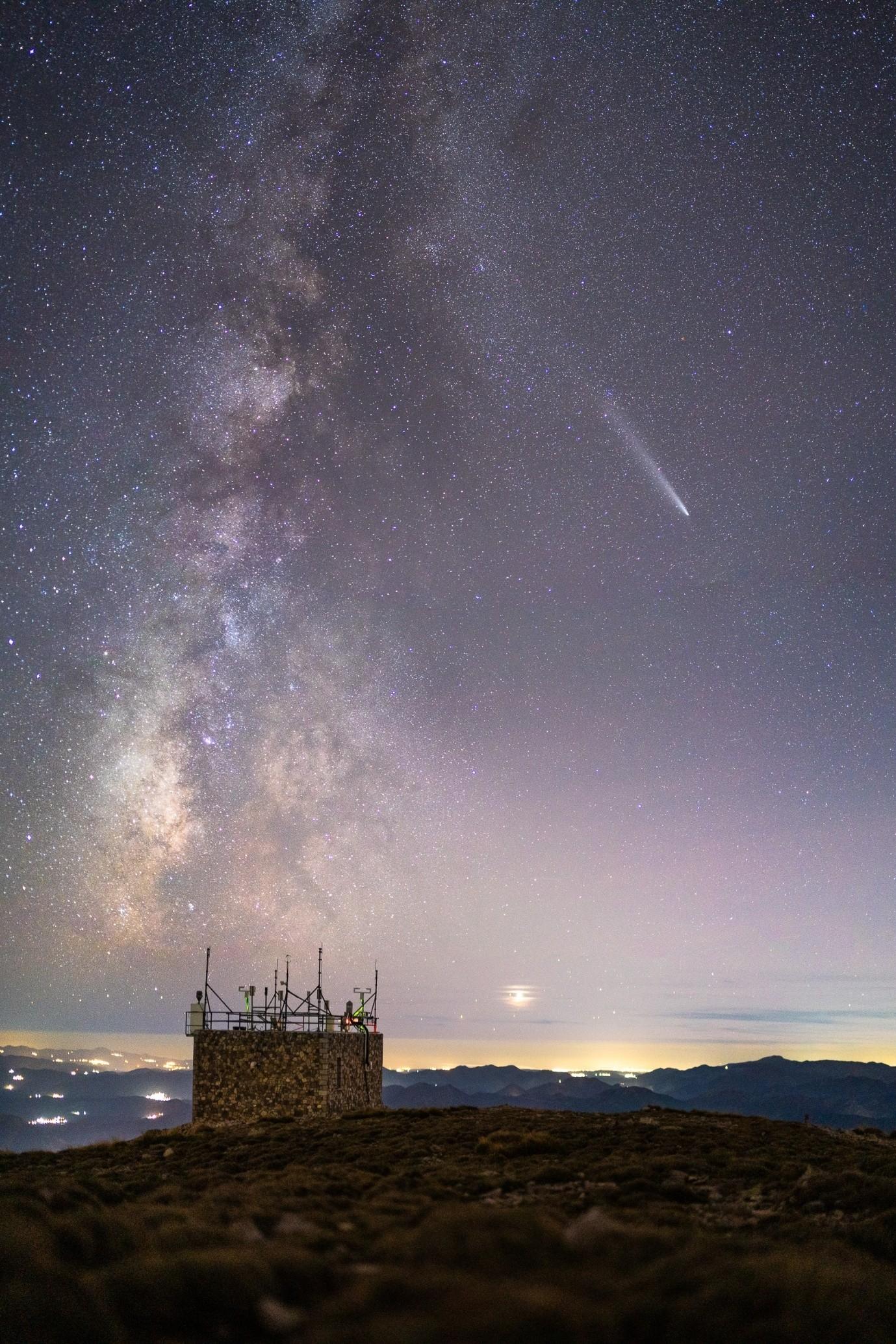
| Location | Mount Helmos, Greece and Neumayer Station, Antarctica |
| Funded amount | 75,000 CHF |
| Project dates | 1st February 2024 – 30th April 2025 |
| Category | SPI Technogrants |