Combined sampling of lake aerosols, water and sediments in an arctic lake as a wormhole for microbial time travelling
Ecole polytechnique fédérale de Lausanne - EPFL
Lay summary
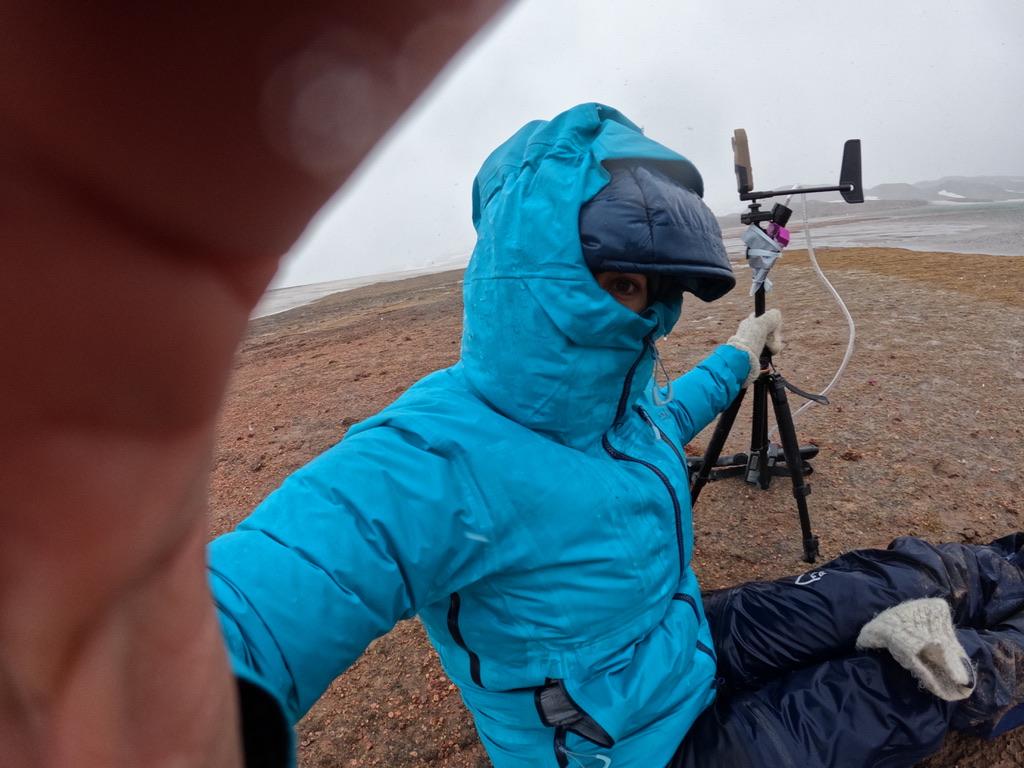
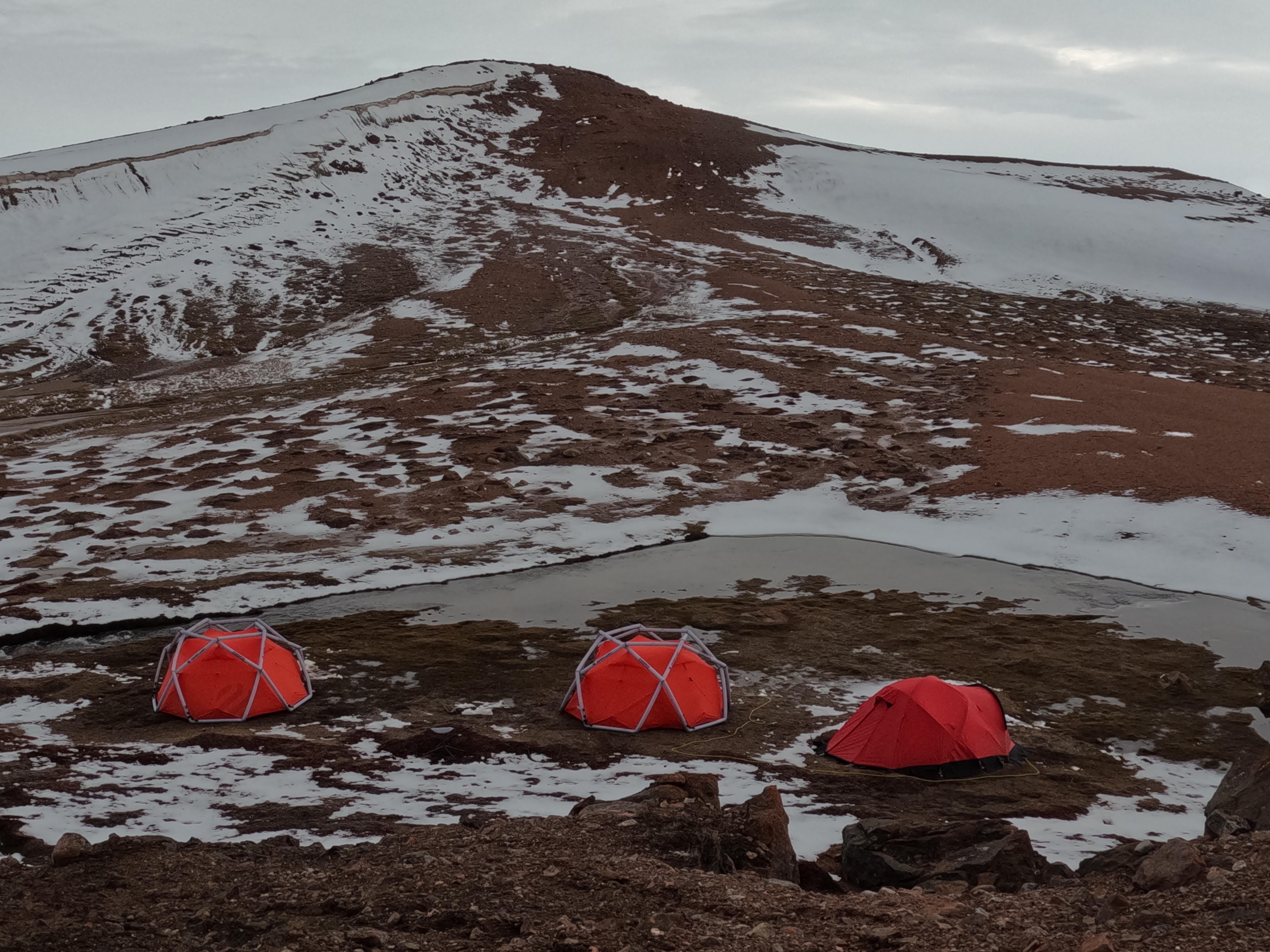
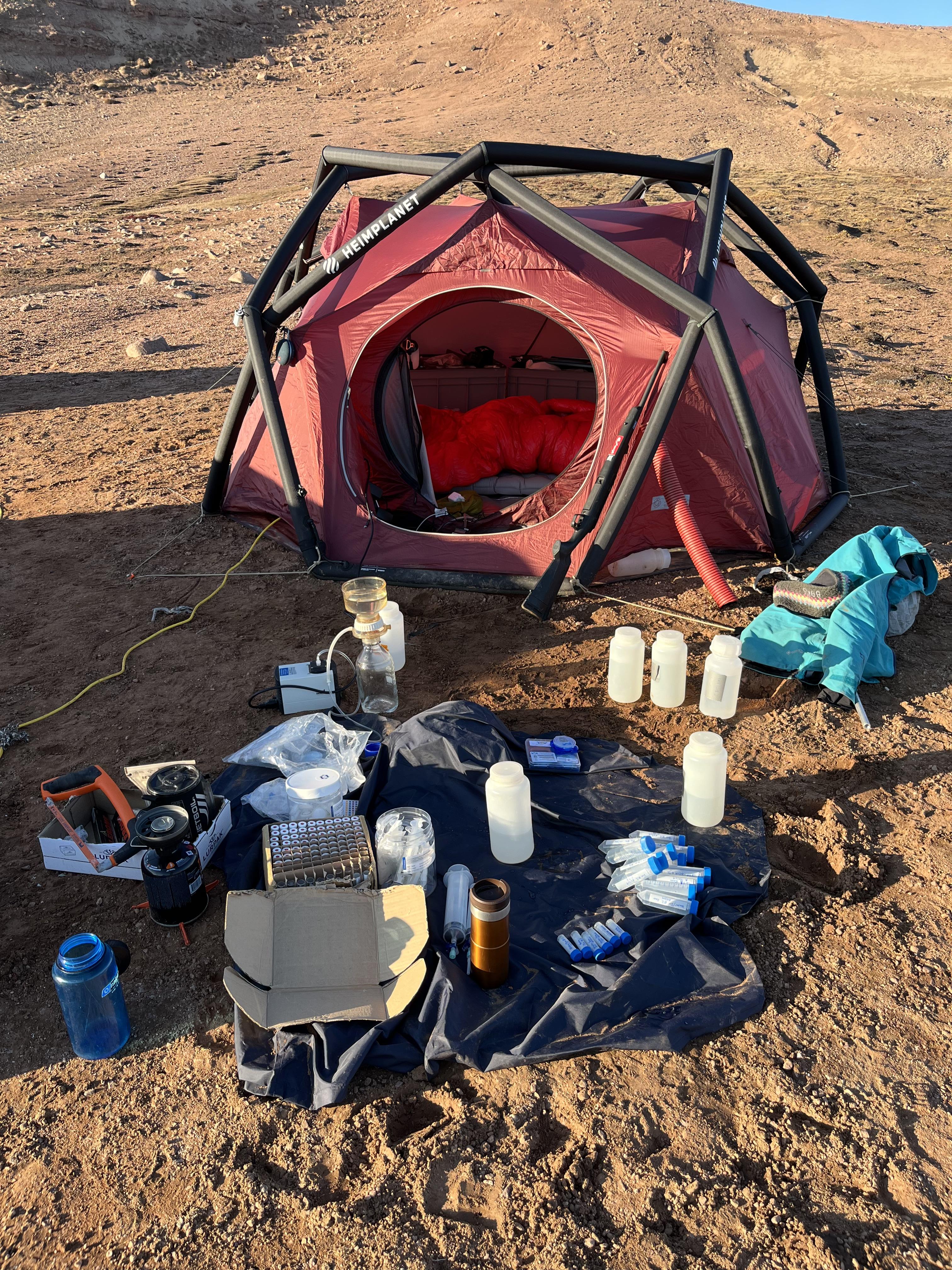
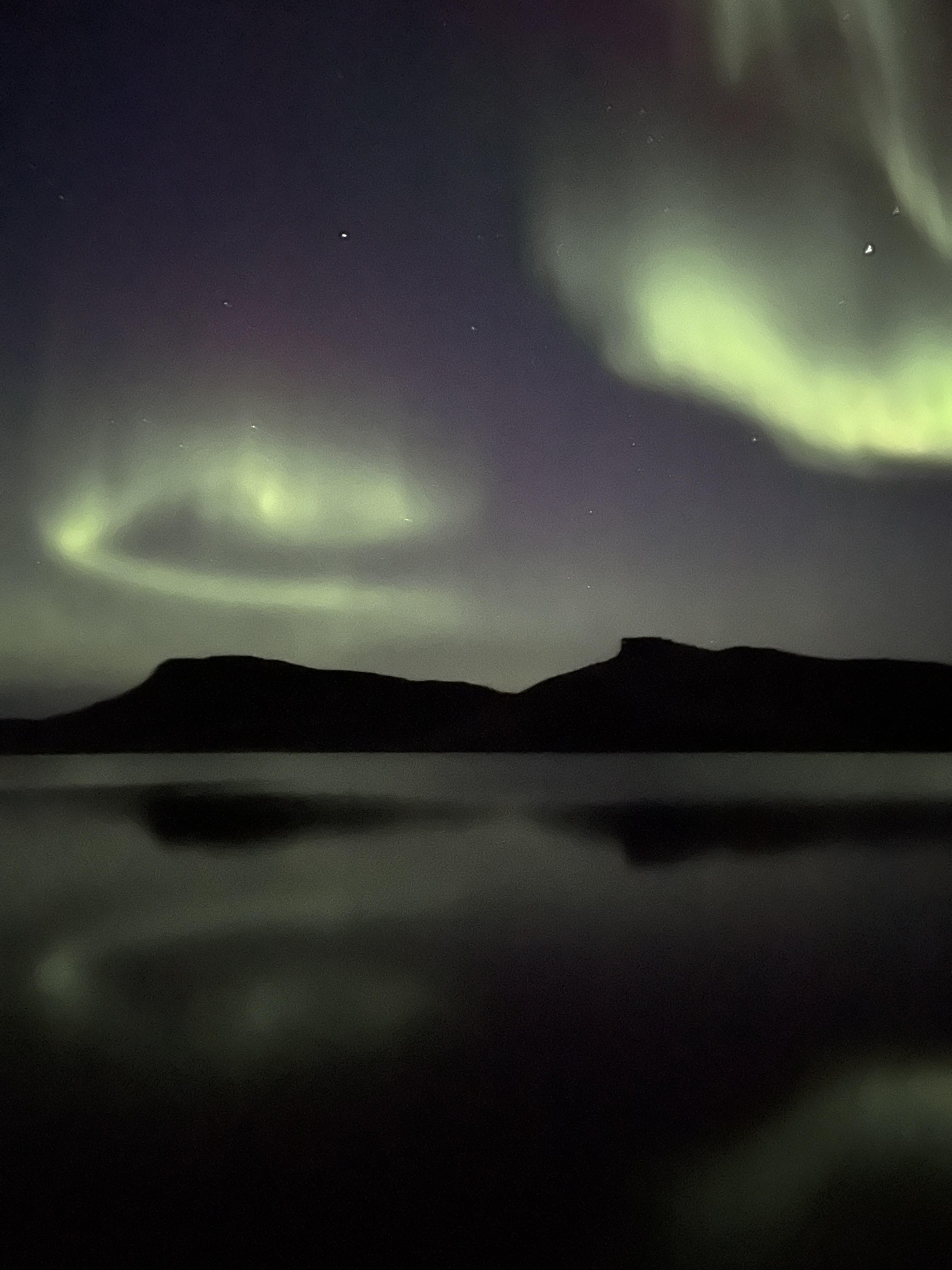
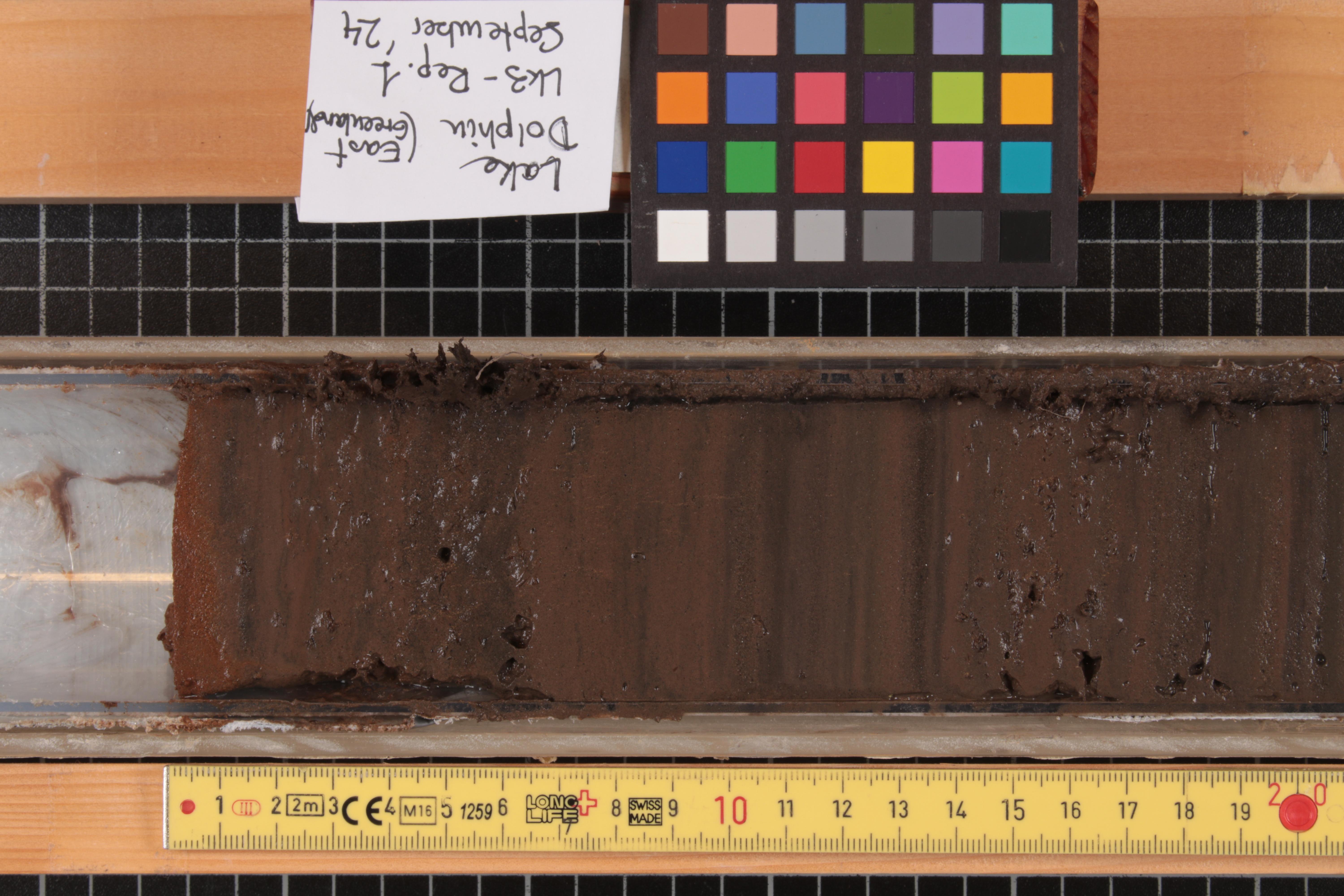
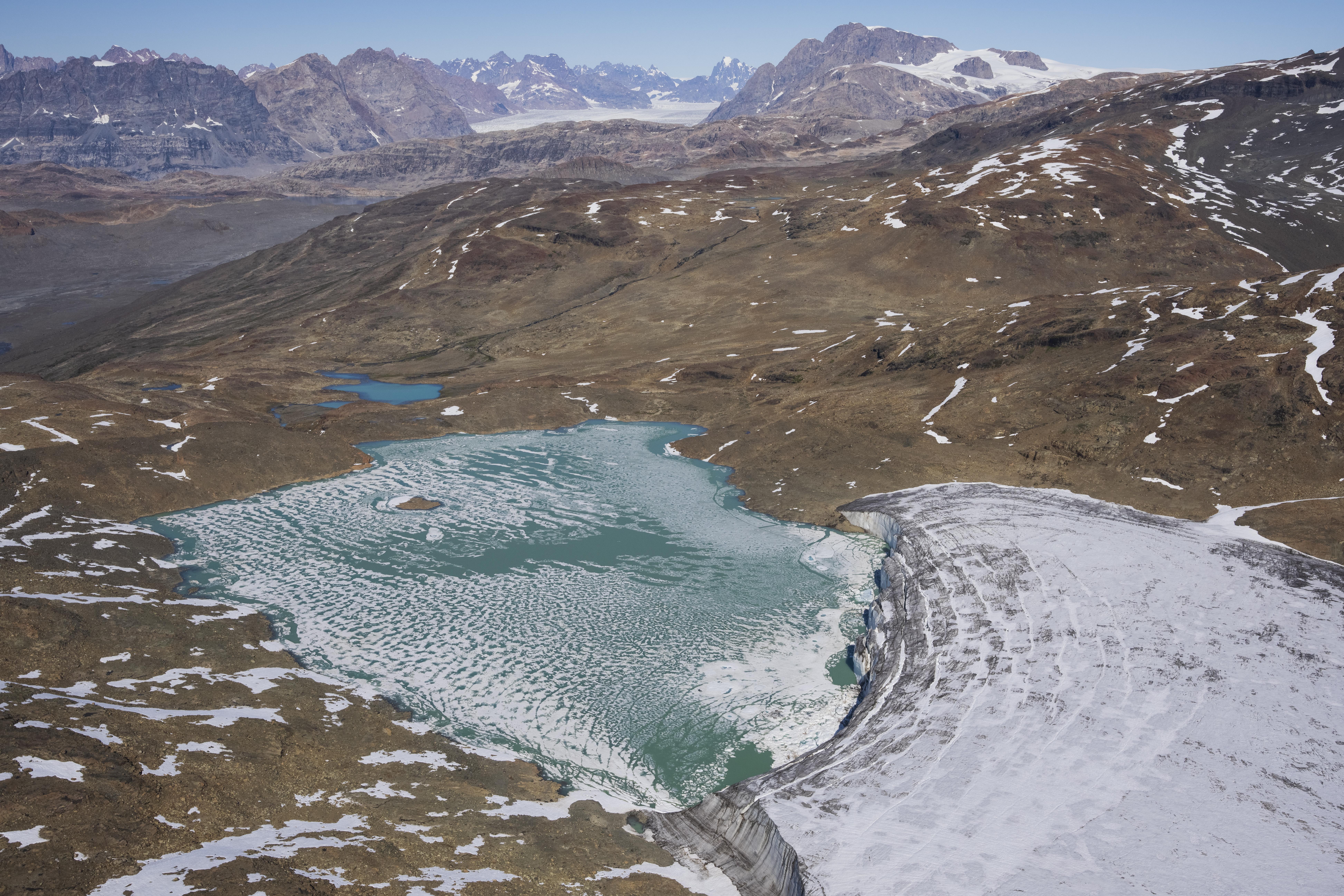
Lakes are complex ecosystems hosting diverse microbial communities. In lake environments, aerosols, water, and sediments represent habitats for distinct bacteria communities, each offering a unique insight into microbial dynamics across different spatial and temporal scales. Originating from surface water, aerosols are dispersed through the air, influenced by environmental factors like wind and humidity which may vary swiftly. In contrast, microbial communities in the water column respond to slower changing parameters such as temperature and nutrients. Meanwhile, sediment accumulation preserves microorganisms over time, offering a glimpse into past environmental conditions and the corresponding microbial communities. Despite their interconnectedness, aerosols, water and sediments are often isolated in studies, missing out on comparative insights. Our project seeks to bridge this gap by investigating simultaneously microbial communities in aerosols, water, and sediments in an Arctic lake located at the proximity of Constable Point, East Greenland. Using next-generation sequencing, we aim to understand how microbial populations respond to current and historical environmental changes. By integrating data from aerosols, water, and sediment cores, we will not only unravel microbial responses to contemporary shifts but also glean insights into past environmental variations shedding light on the potential impacts of climate change on Arctic lakes.
Details
| Regional focus | Arctic |
| Location | East Greenland, Constable Point |
| Funded amount | 64,000 CHF |
| Project dates | 1st June 2024 – 1st June 2025 |
| Category | SPI Exploratory Grants |