Participation in UNIS courses AG-325 Glaciology and AG-346 Snow and Avalanche Dynamics 2025
Universität Zürich
Lay summary
Description of the programme
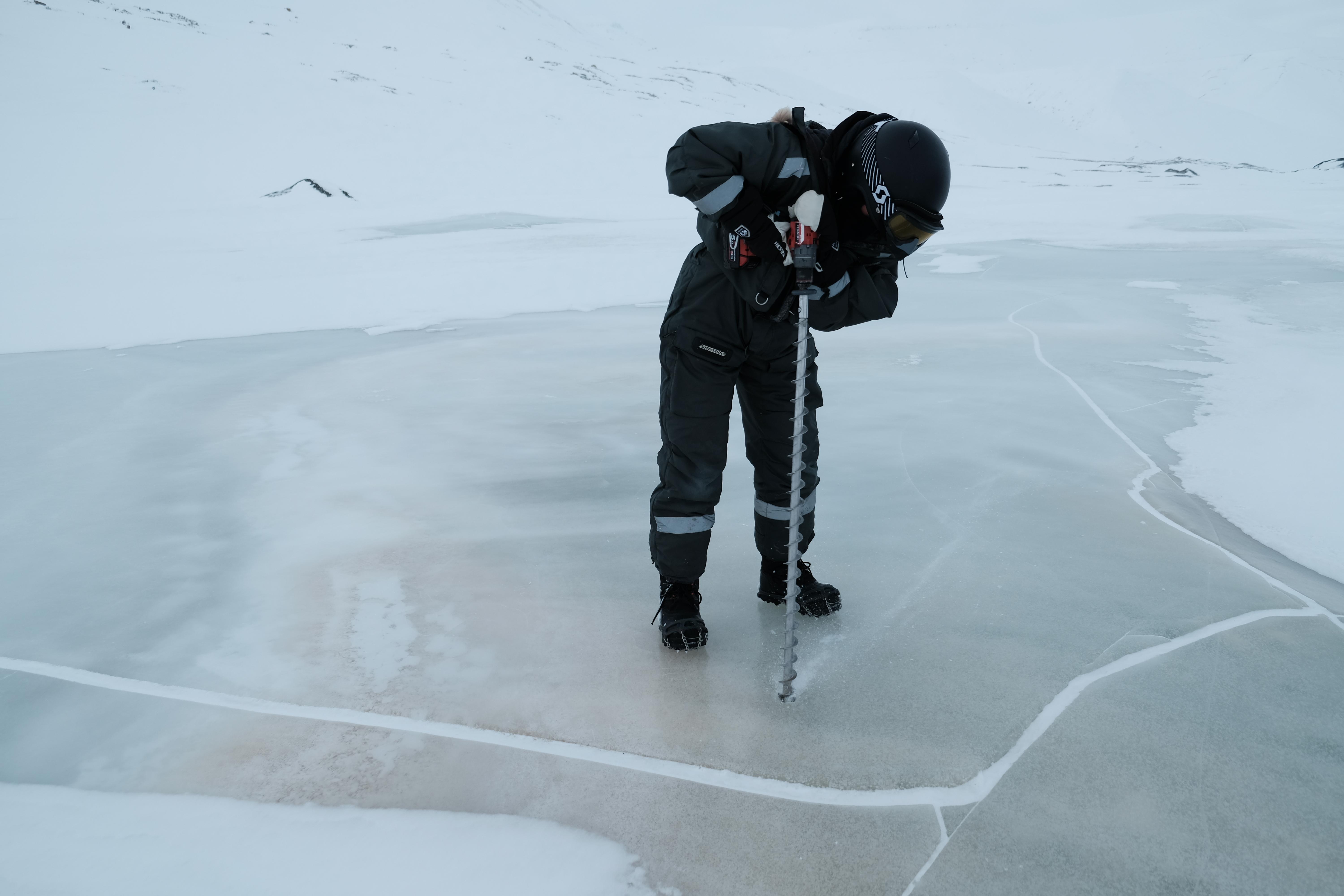
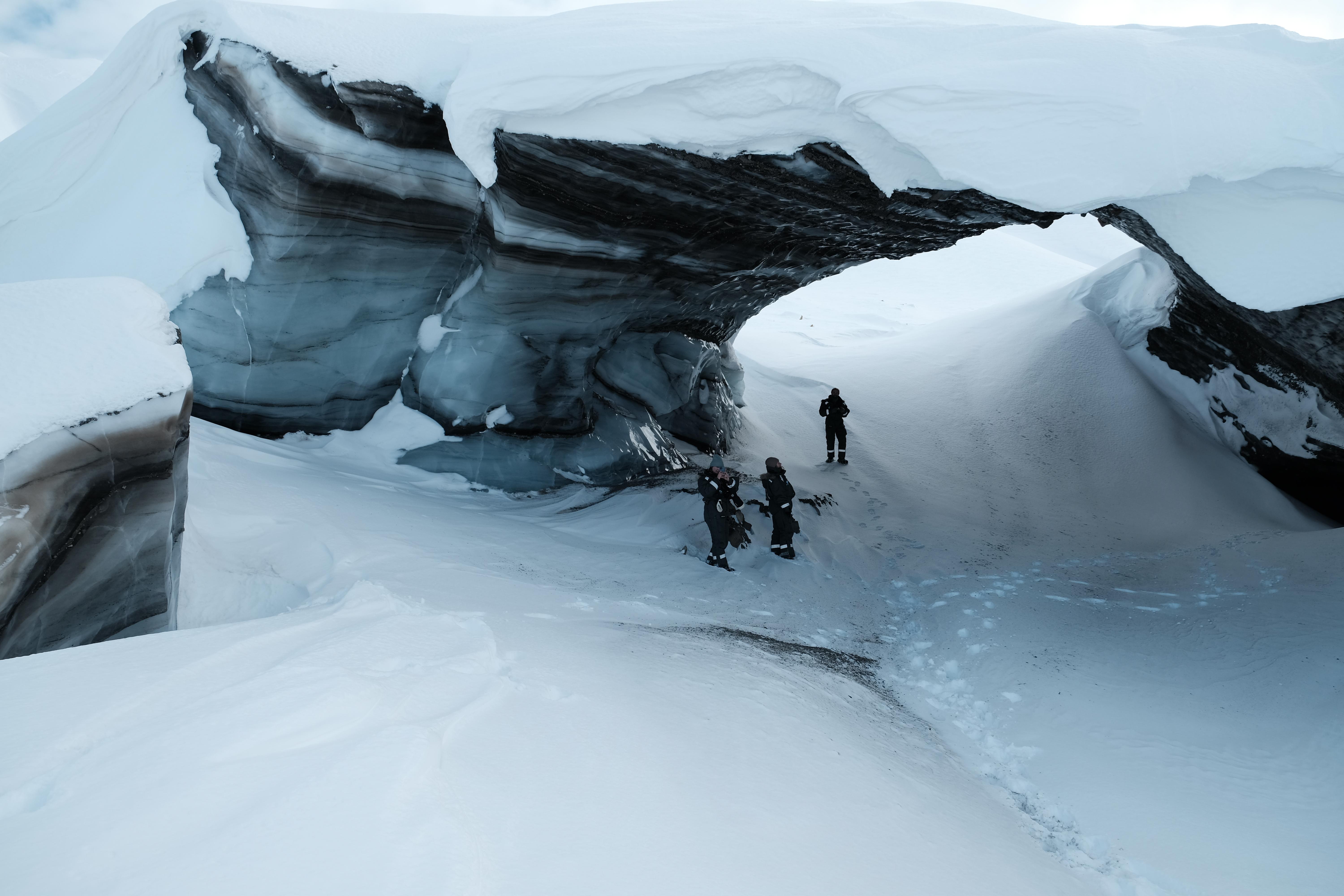
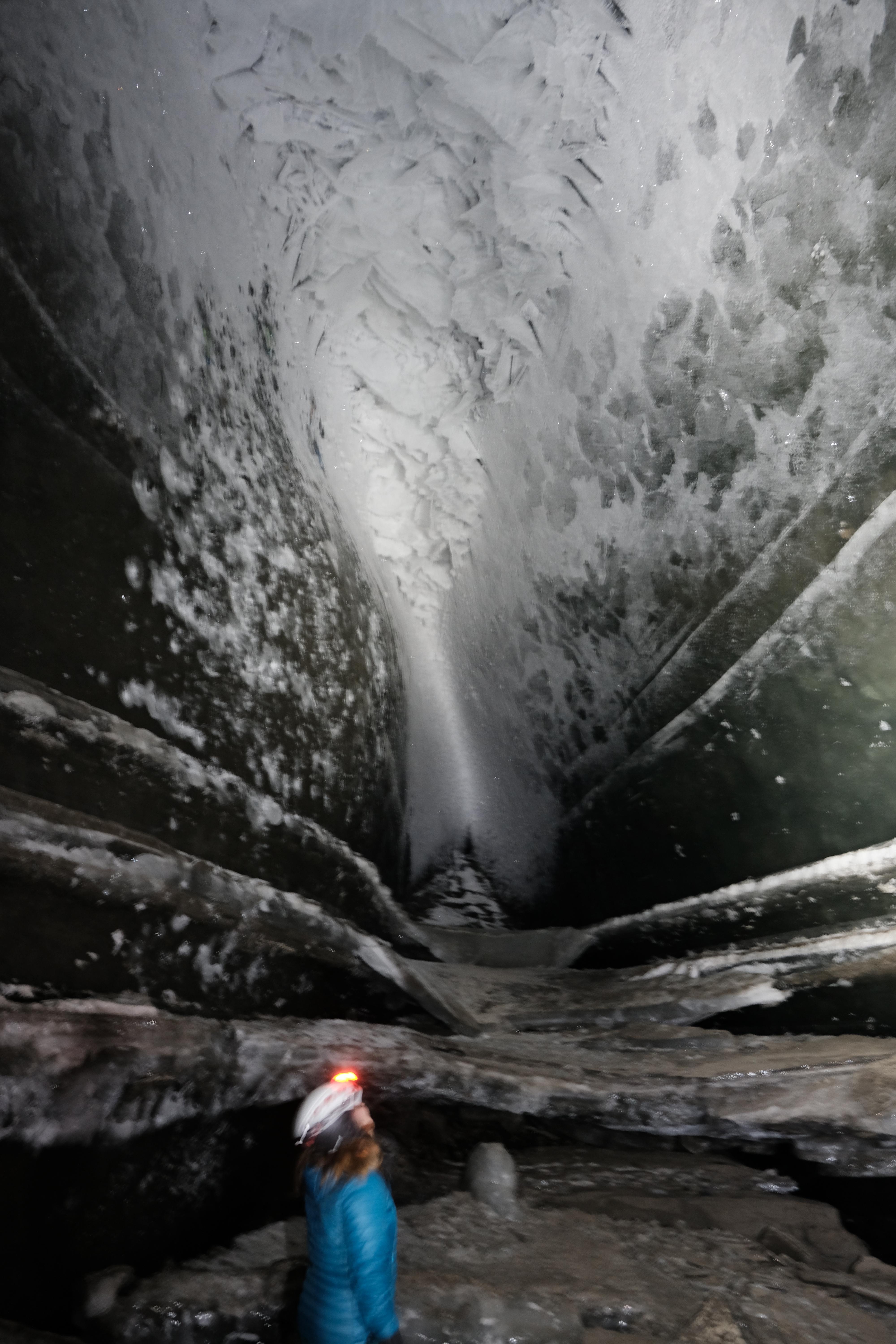
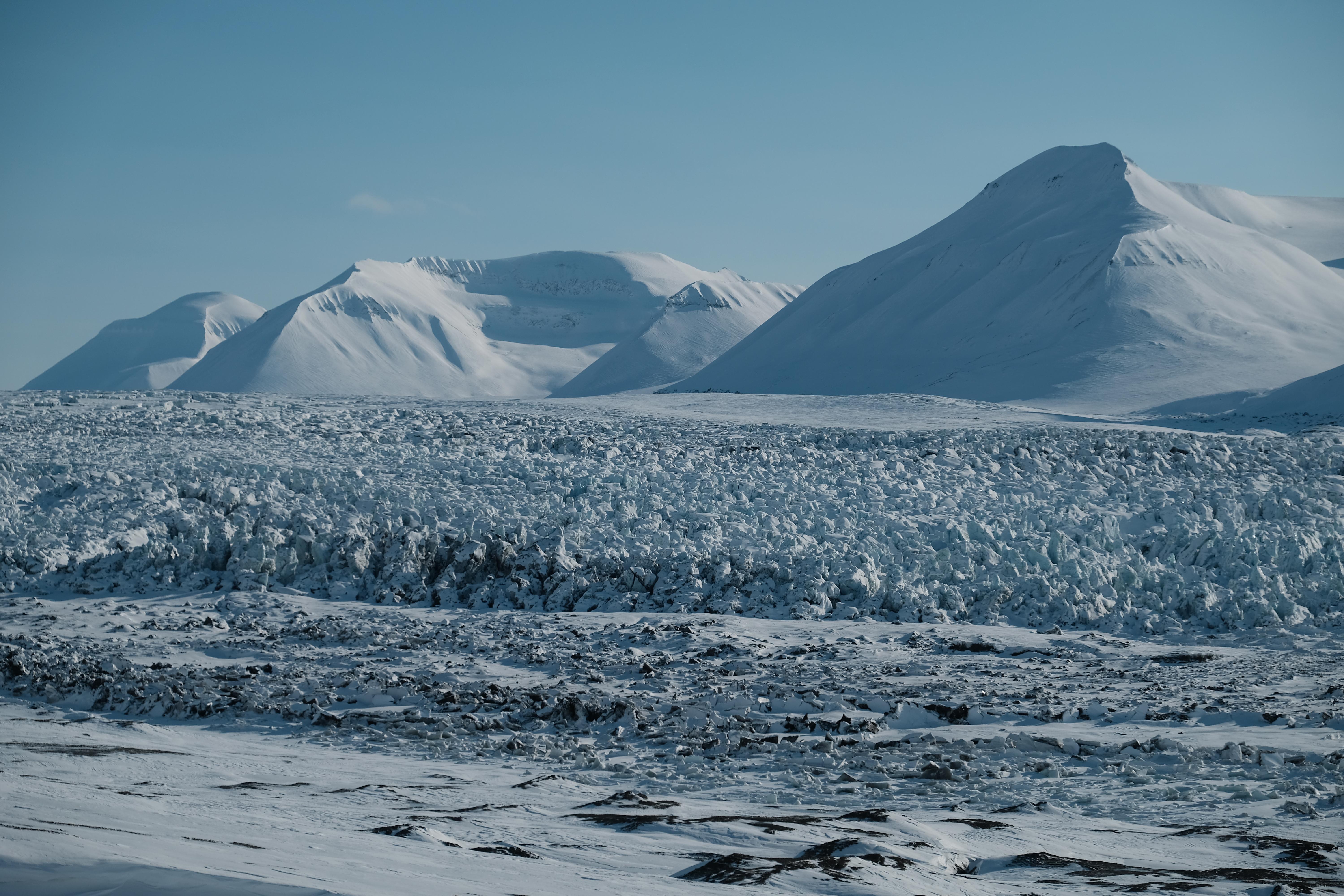
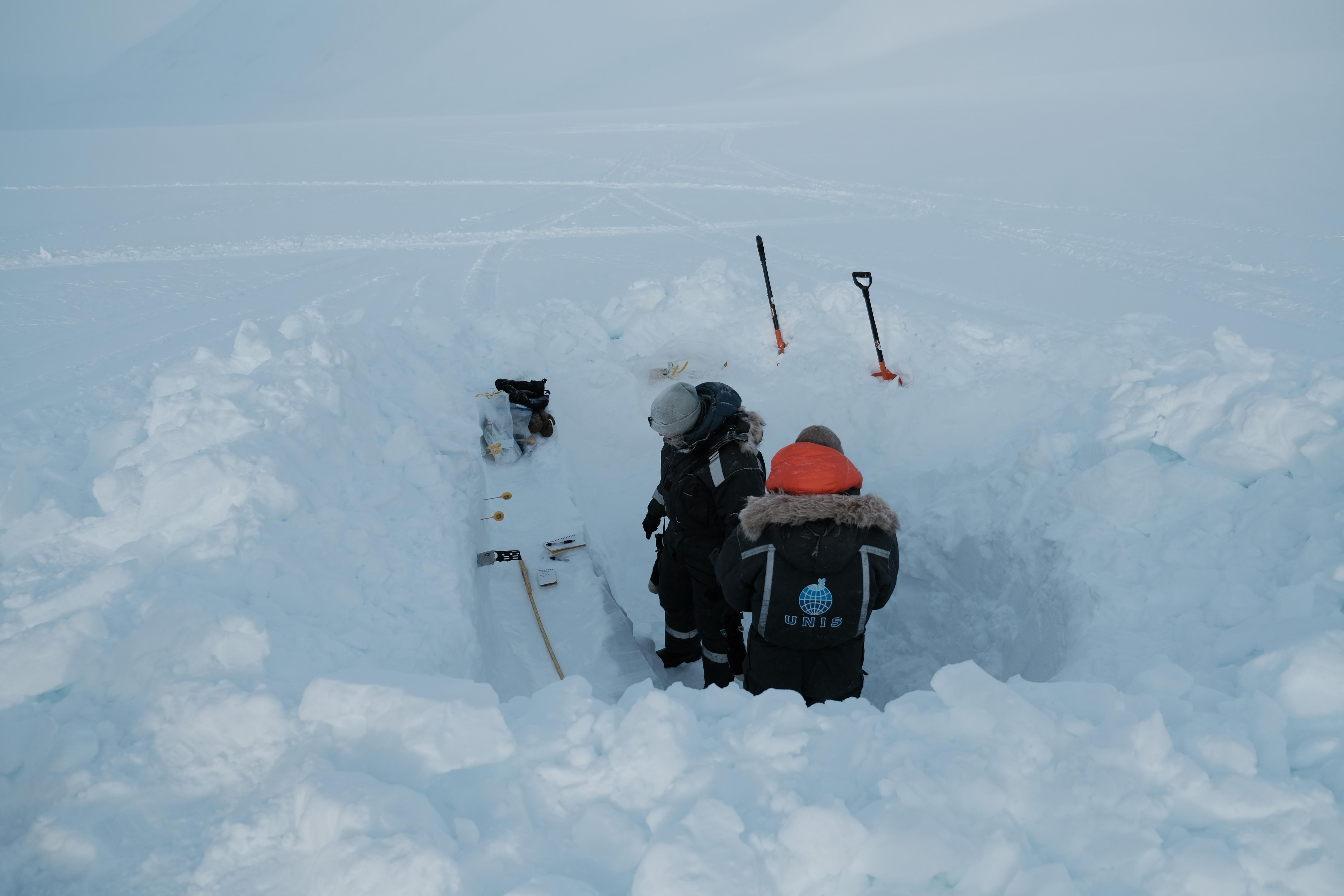
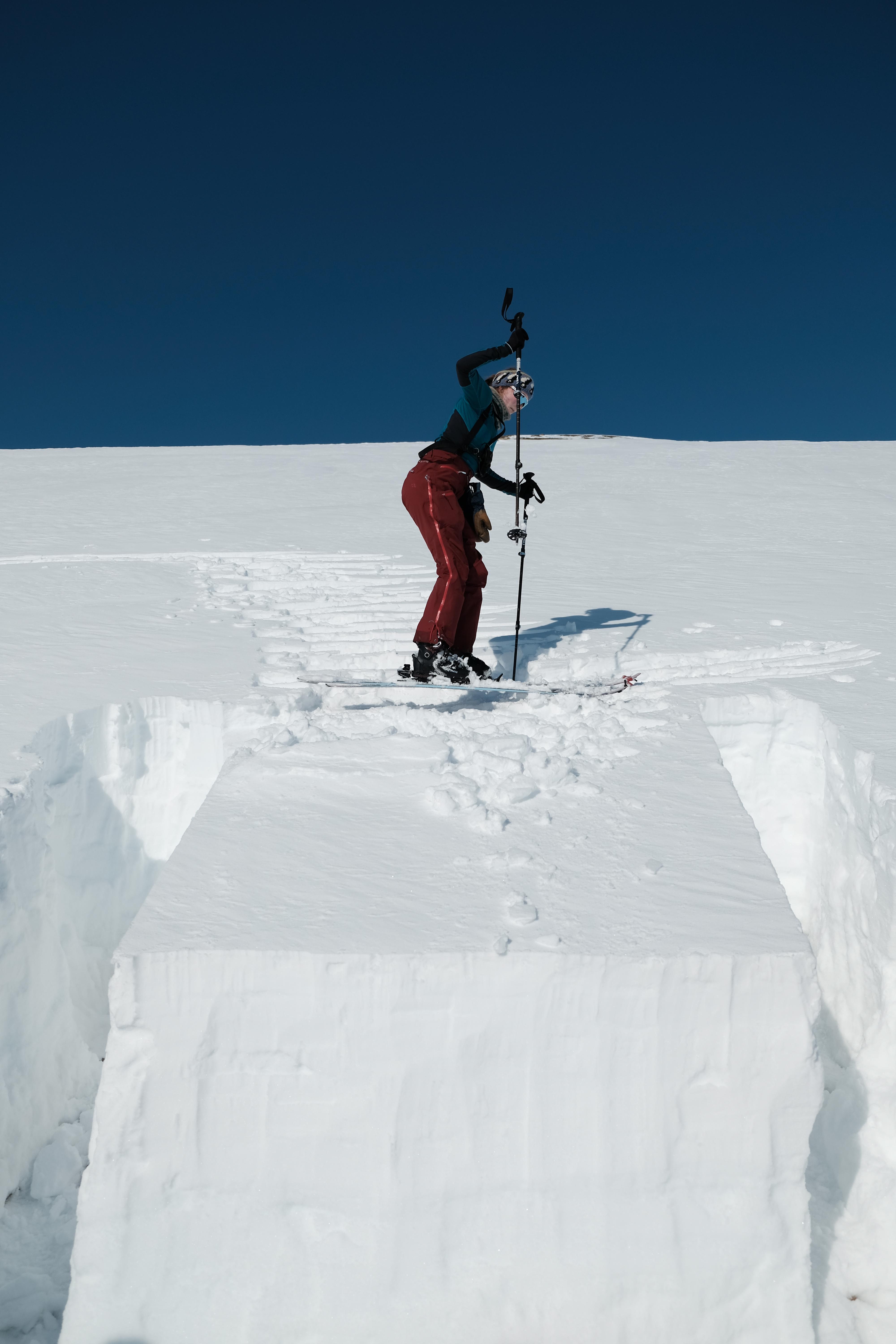
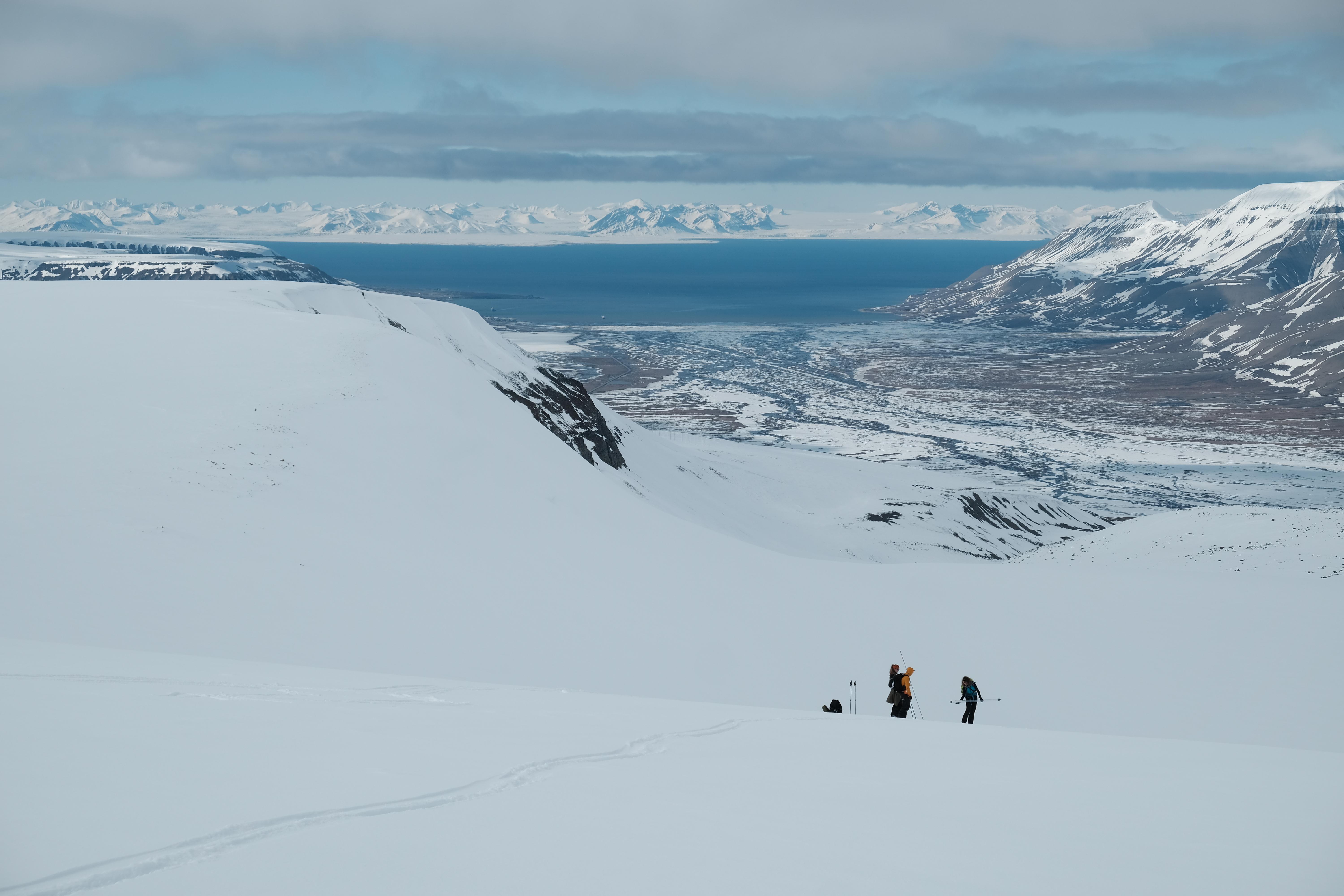
The glaciology course offered interesting insights into glacier processes, with a focus on Svalbard’s unique Arctic environment. Highlights included fieldwork across central Svalbard in small groups, covering firn processes, glacier hydrogeochemistry and GPR applications. A standout feature was the highly motivated, international student group which fostered an animated scientific exchange. The snow and avalanche dynamics course deepened understanding of Svalbard’s snow climate, building on which avalanche modelling, hazard assessments and mitigation measures were discussed with the local context in mind. A major positive about this course was the seamless integration of theory and fieldwork, leveraging the natural laboratory at hand.
How did you benefit from the programme?
Both courses deepened my understanding of the Arctic cryosphere beyond the knowledge gained from Swiss universities and equipped me with essential skills for conducting safe and effective fieldwork in high latitude environments. The experience also introduced me to an international network of engaged early-career scientists, many of whom became friends. As the first international formal component of my studies, the stay broadened my perspective, exposing me to new topics, people and a new environment. This experience will open my eyes and raise my motivation to academic and career opportunities I had not previously considered.
What were the highlights of the training?
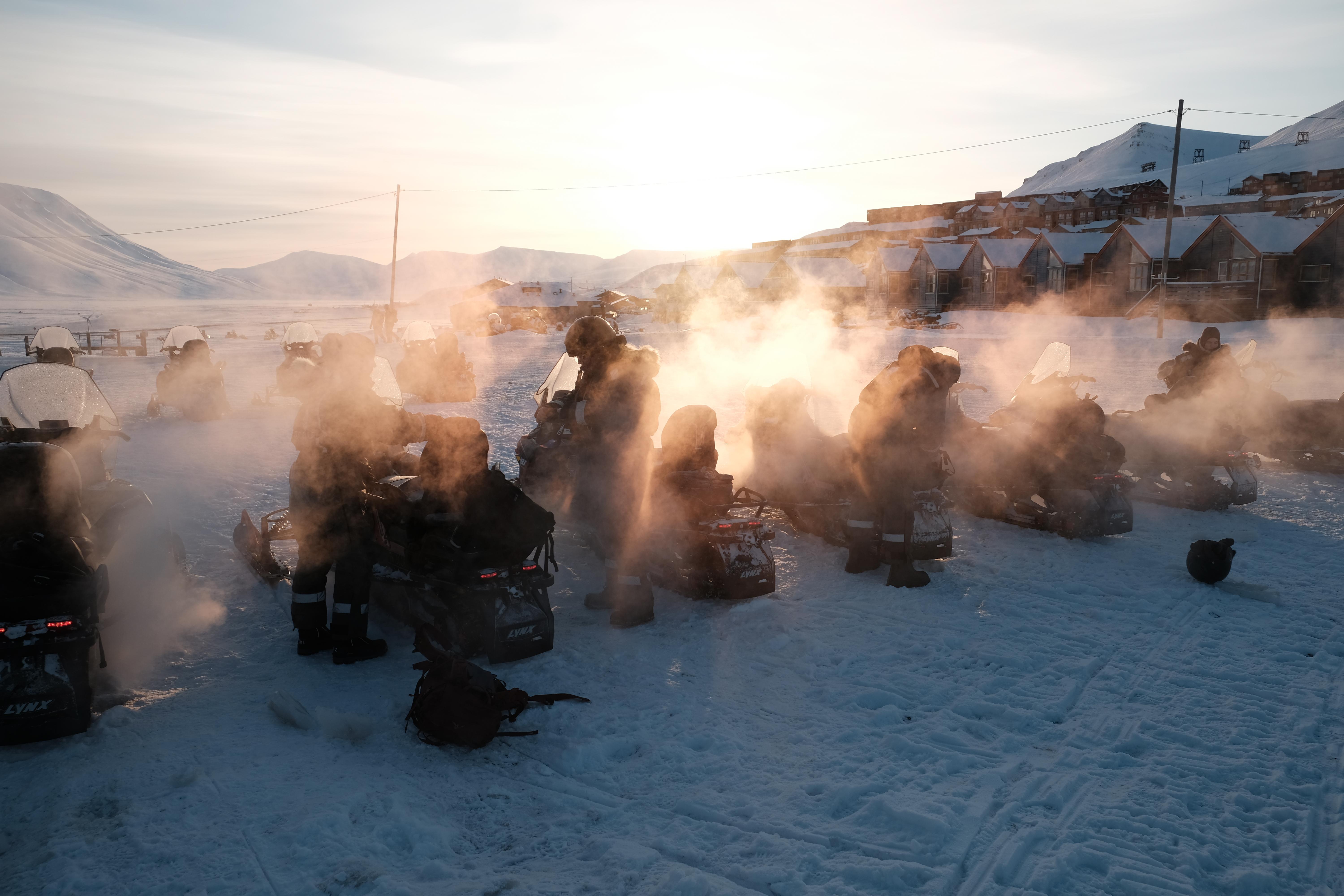
My personal highlight of the training was gaining practical skills and confidence in moving and working in Arctic environments. Through safety training, fieldwork, and private trips, I learned essential routines like sea ice safety, satellite communication, snowmobile driving, and polar bear protection. Initially unfamiliar with these, I now have an understanding of the logistics and daily practices of Arctic fieldwork. This knowledge breaks down previously overwhelming field objectives into manageable, actionable steps, broadening the scope of activities I now consider feasible for addressing scientific goals.
Would you recommend the programme to other students?
Frequent changes in topics and instructors sometimes disrupted the continuity of the courses. Students aiming to focus on a specific topic or technique might find themselves disrupted by the frequent changes in focus and methods. Despite this, the training offered a unique opportunity to learn about the Arctic environment through direct experience, benefiting anyone that wants to gain knowledge, practical fieldwork skills, and new connections.
Details
| Regional focus | Arctic |
| Location | Svalbard |
| Funded amount | 669 CHF |
| Project dates | 3rd March 2025 – 6th June 2025 |
| Category | Field and Summer Schools |