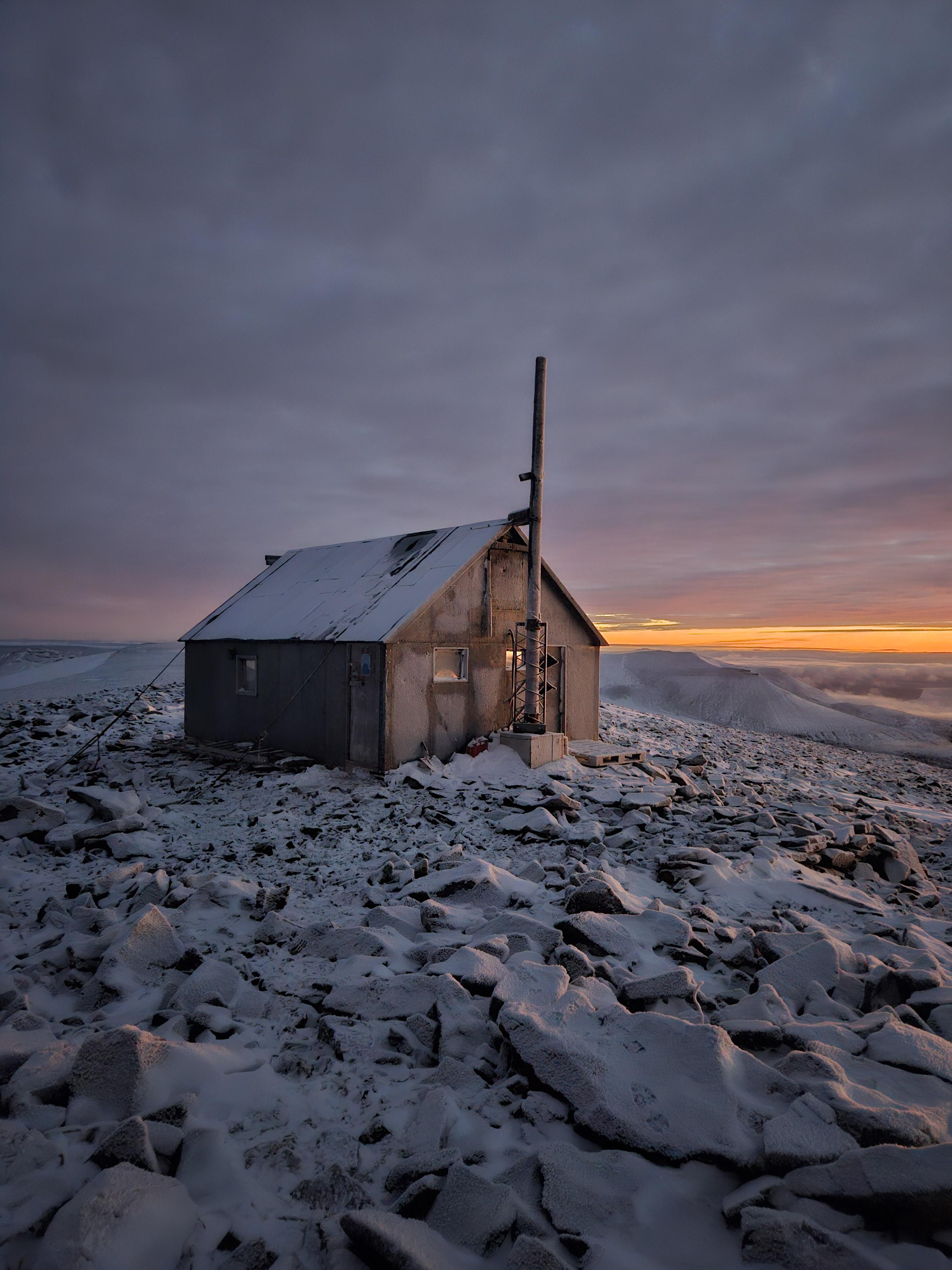
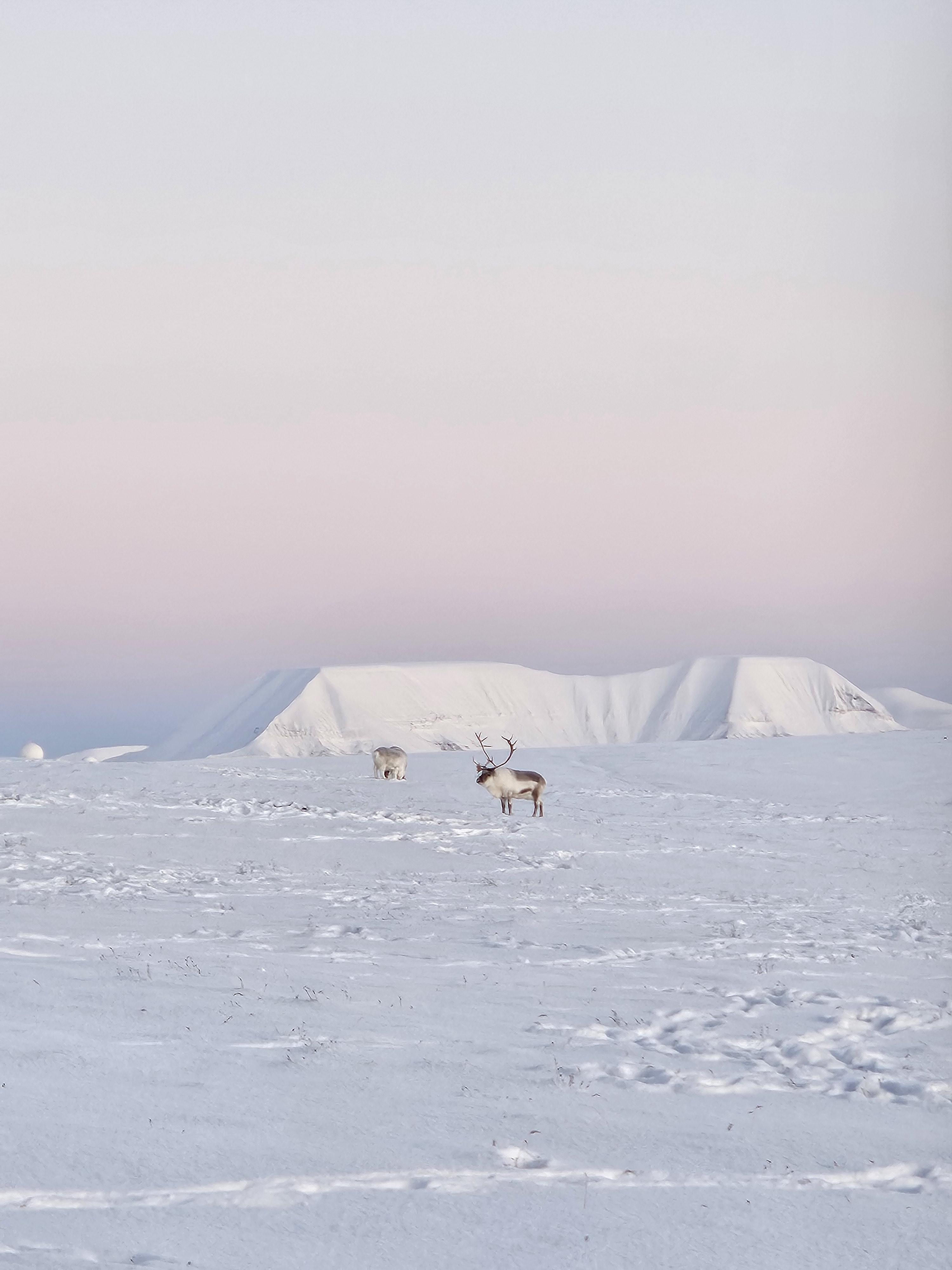
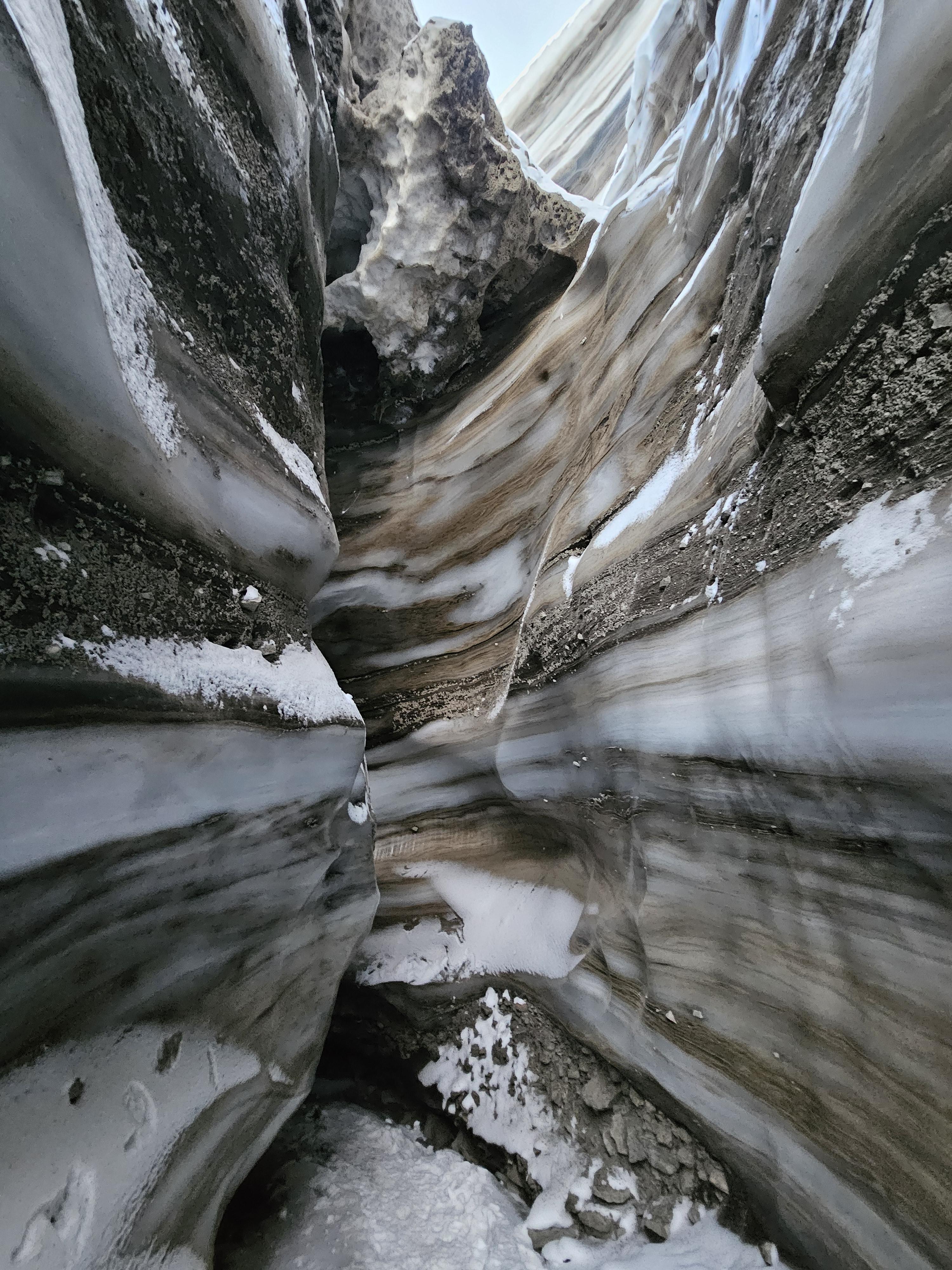
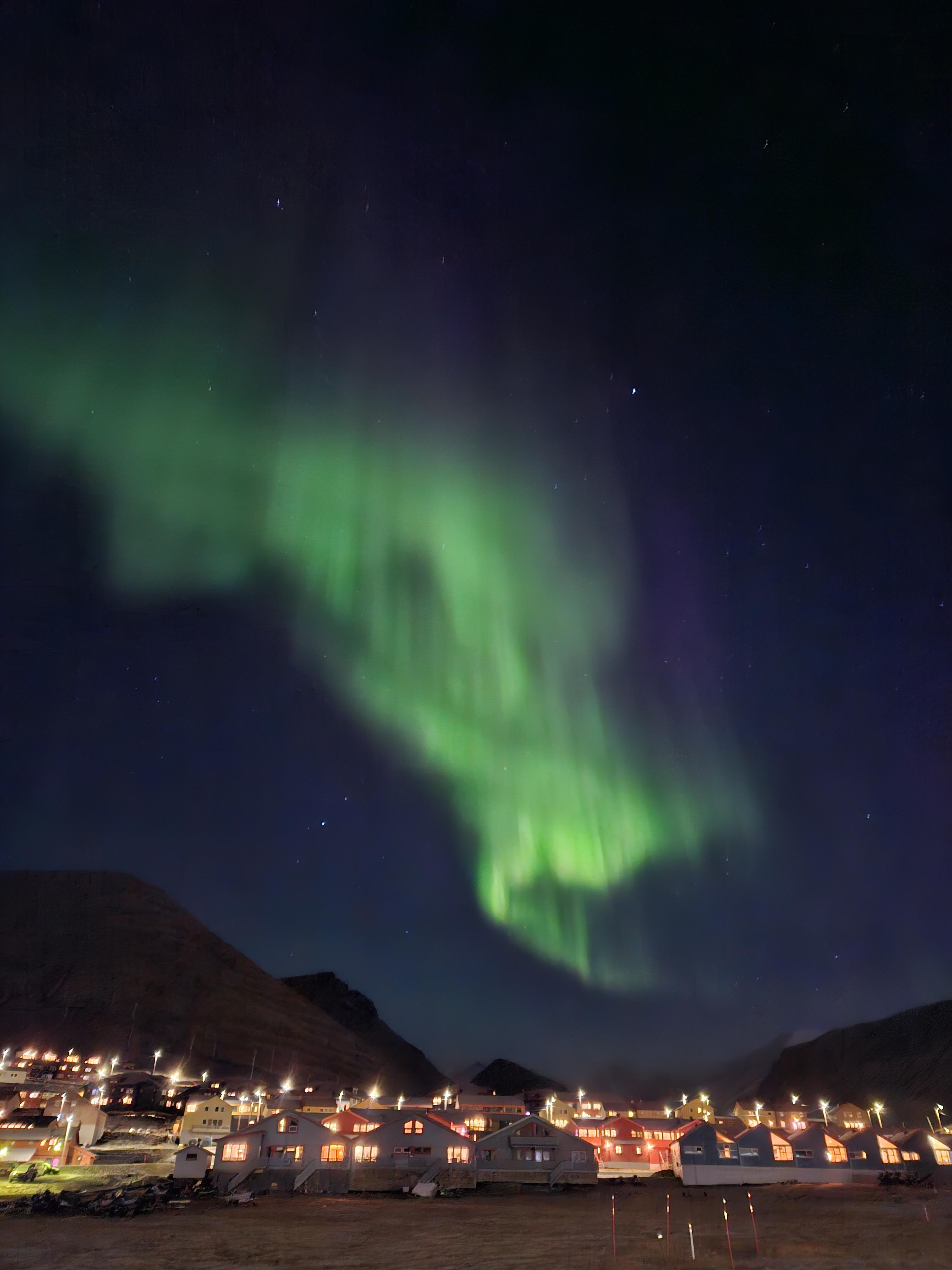
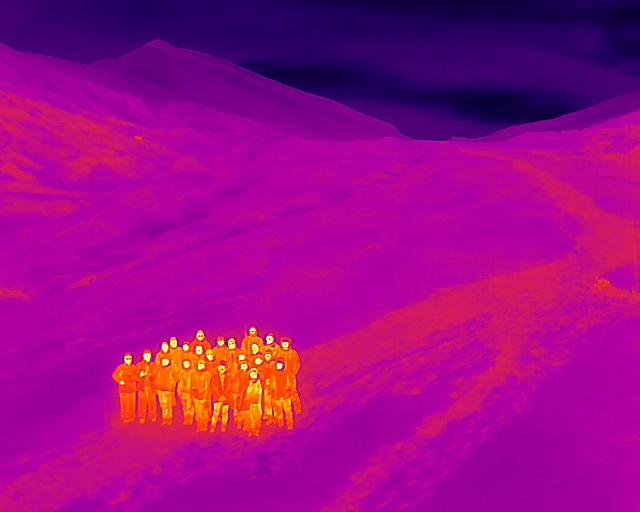
Participation in UNIS course AGF-312 Remote Sensing of the Cryosphere 2025
Université de Fribourg
Lay summary
Description of the programme
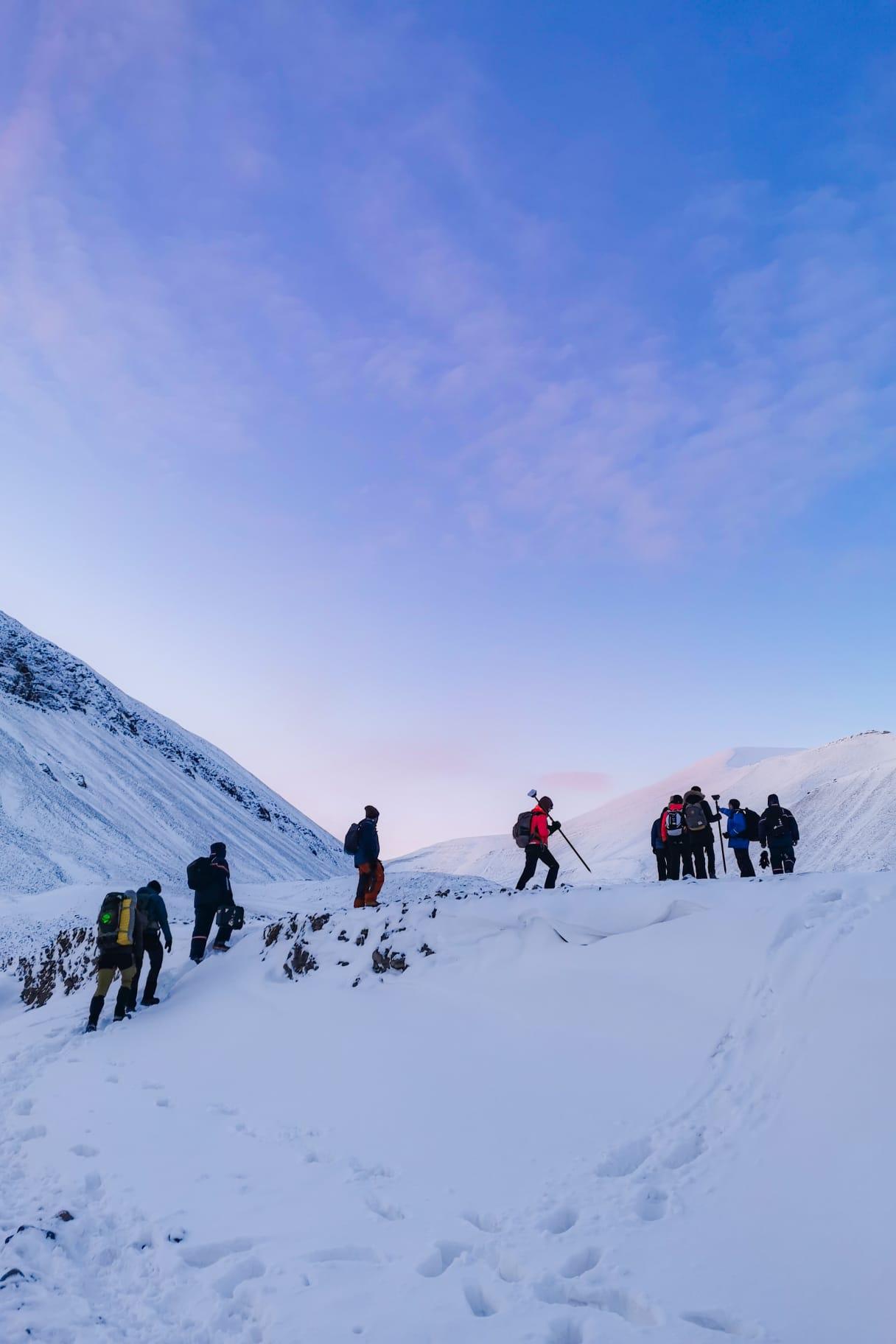
The remote sensing course offers a comprehensive introduction to methods and their application in monitoring sea ice, snow cover, glaciers, and ice sheets. It emphasizes the importance of satellite-based remote sensing and the changes in the cryosphere in vast, hard-to-reach regions as climate change accelerates. During the six weeks, we gained theoretical knowledge of remote sensing through various lectures, as well as practical skills in interpreting satellite data and applying it during fieldwork. Having completed the course, I now feel well equipped with the expertise needed for modern environmental observation.
How did you benefit from the programme?
During my Bachelor's degree in Geography, I took several remote sensing courses. These focused mainly on technical details and had little to do with the cryosphere. The benefits gained throughout the course arise from the strong focus on the cryosphere and the application of data to research several cryosphere-related questions. Coming up with my own project based on the available data helped me to better understand the limitations and advantages of remote sensing. This will help me with my Master's thesis, which is also based on remote sensing data collected from the Greenland Ice Sheet.
What were the highlights of the training?
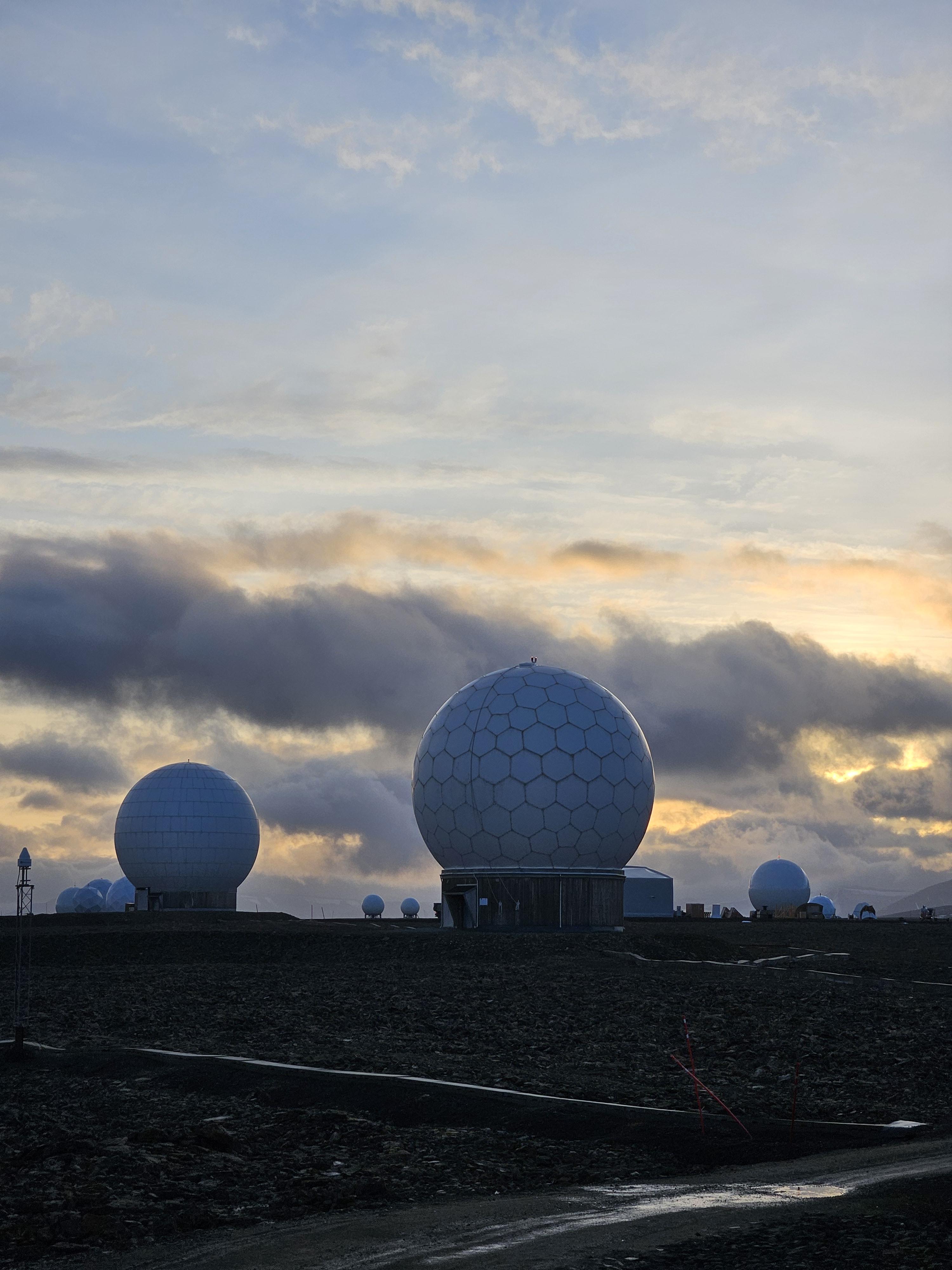
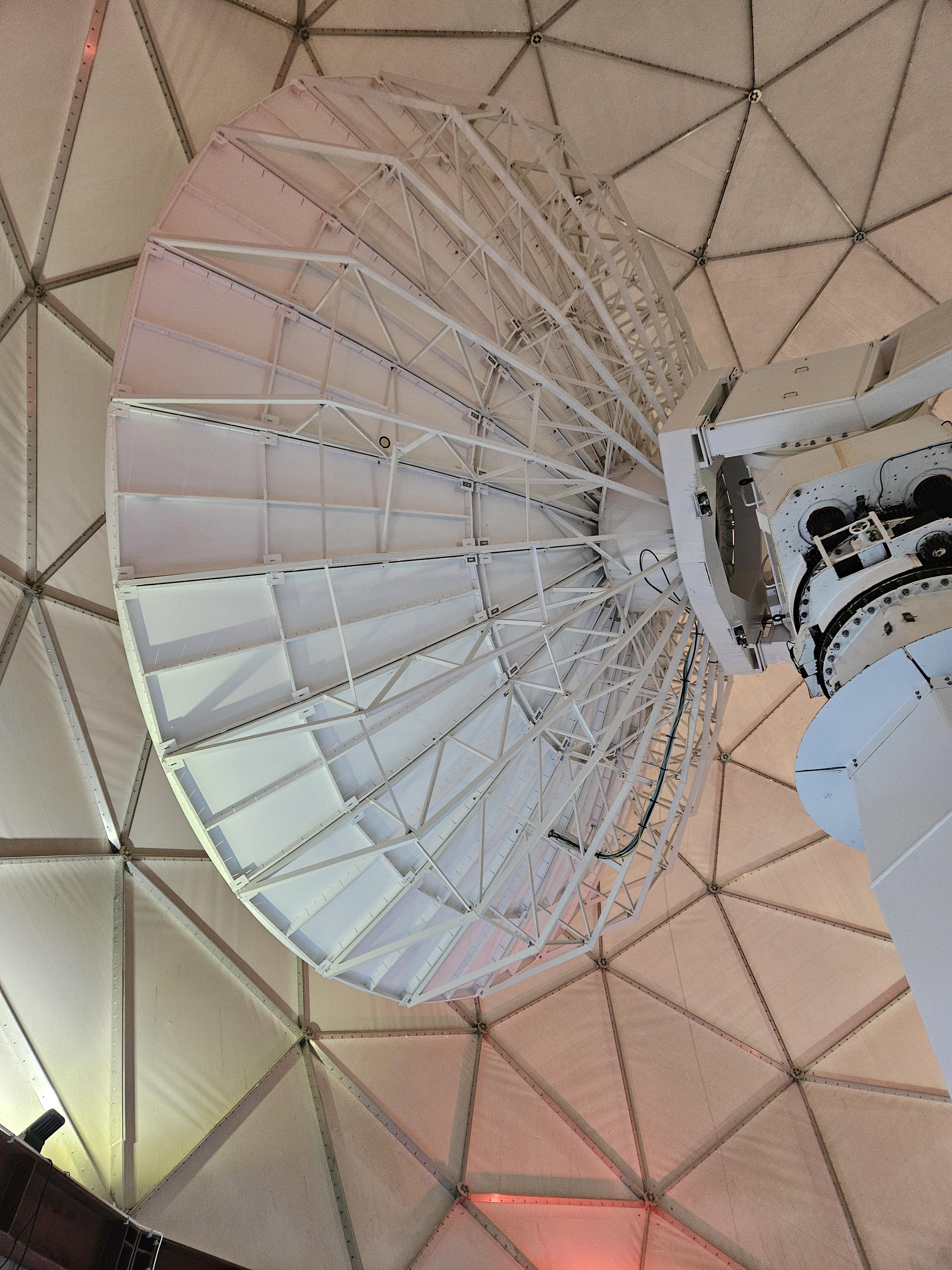
My personal highlight was a trip to the KSAT Svalbard Ground Station. This is an antenna park with over 160 antennas that track and communicate with satellites. It was great to see the actual measurements being taken, rather than just talking about them in the classroom. We were able to enter an antenna protection ball to observe how the antenna follows the satellite as it passes above the station along its orbit. It was impressive to see, as I had never seen an actual satellite or a measuring and moving antenna before.
Would you recommend the programme to other students?
If you are interested in remote sensing of the cryosphere, this course is definitely recommended. There is a lot to learn, with a new guest lecturer arriving every week to teach in their own specialized field. Having some prior knowledge of remote sensing and the cryosphere would also be beneficial. Six weeks is a short time, and remote sensing is a large field, so it makes sense to have an idea of what will be discussed in advance, to avoid feeling lost.
Details
| Regional focus | Arctic |
| Location | Svalbard |
| Funded amount | 1,410 CHF |
| Project dates | 22nd September 2025 – 31st October 2025 |
| Category | Field and Summer Schools |