The greening of Arctic lake shores under the effect of climate change: a new hotspot for benthic cyanobacteria
Scuola universitaria professionale della Svizzera italiana - SUPSI
Lay summary
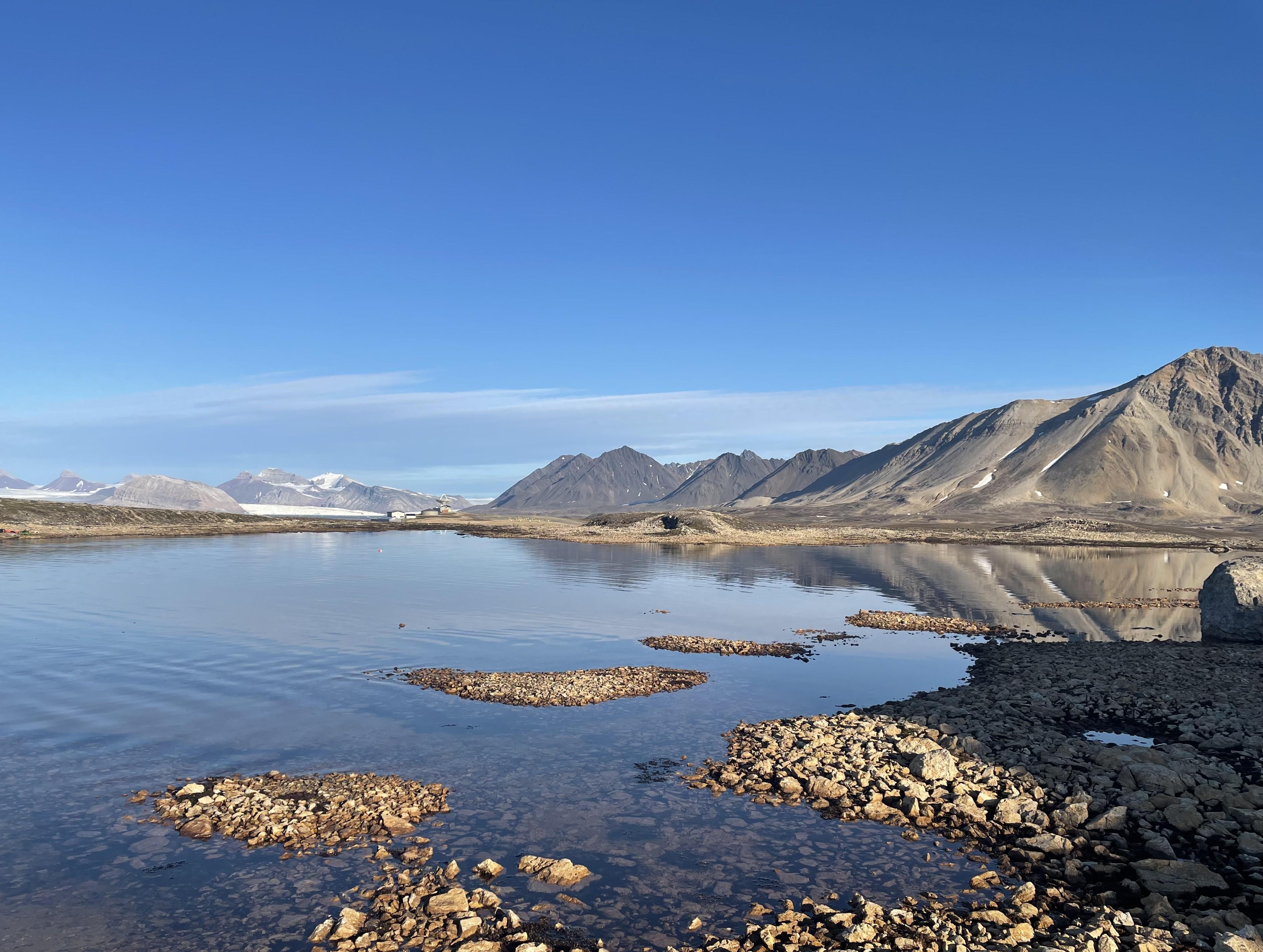
The dominance of cyanobacteria in aquatic environments is promoted by climate change, however, the effect on benthic species is less known, especially in the Arctic. Here, lakes are very responsive to nutrient and temperature increase, and communities dominated by cyanobacteria have been observed already, often in association with filamentous green algae. Worldwide, reports of benthic algal blooms in oligotrophic lakes are increasing (greening), suggesting that the dominance of benthic cyanobacteria may be favoured in Arctic lakes due to climate change. Due to cyanobacteria's ability to produce cyanotoxins, their growth may have consequences on ecosystem dynamics and animal health. In this project, we want to test if the “greening” of the Arctic lake shores (Spitsbergen, Svalbard) can be used as a proxy for cyanobacteria hotspots, both for in situ and remote sensing surveys. Moreover, the project will provide new evidence on the drivers that promote the dominance of cyanobacteria in benthic communities, especially that of toxic species, and highlight the vulnerability of Arctic lake ecosystems to ongoing environmental changes. They will also serve as model ecosystems to anticipate the effects of climate change on high-altitude lakes at lower latitudes in similar bioclimatic regions.
Details
| Regional focus | Arctic |
| Location | Svalbard |
| Funded amount | 10,800 CHF |
| Project dates | 1st May 2024 – 31st October 2025 |
| Category | SPI Exploratory Grants |