Participation in UNIS course AG-325 Glaciology 2025
Université de Fribourg
Lay summary
Description of the programme
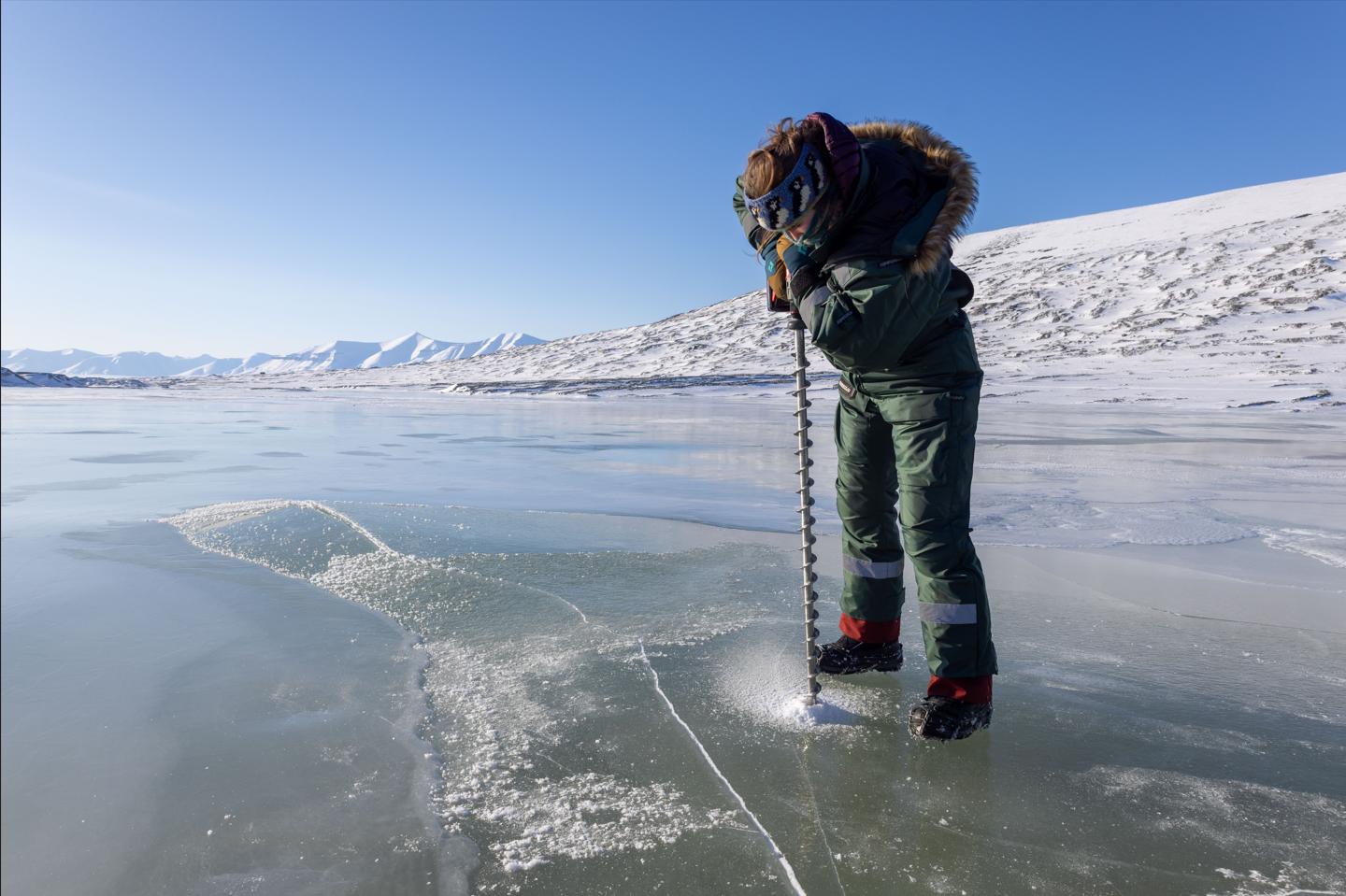
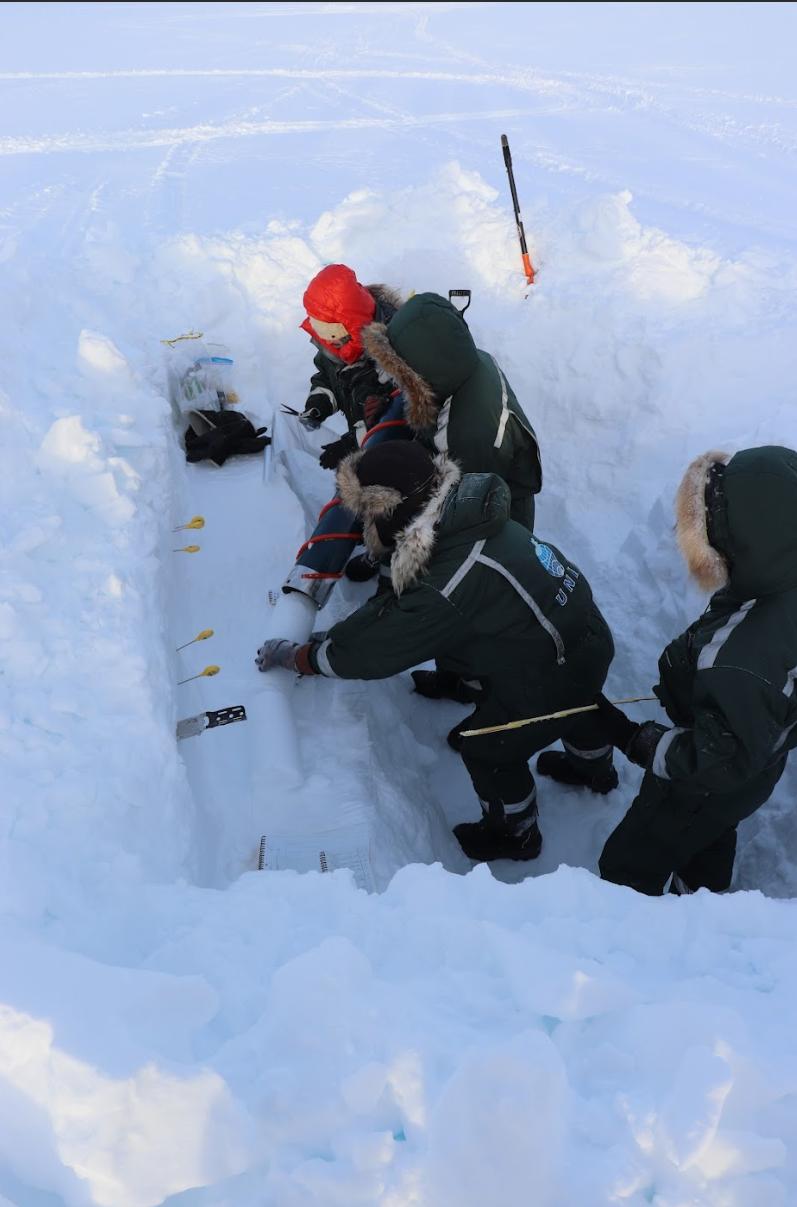
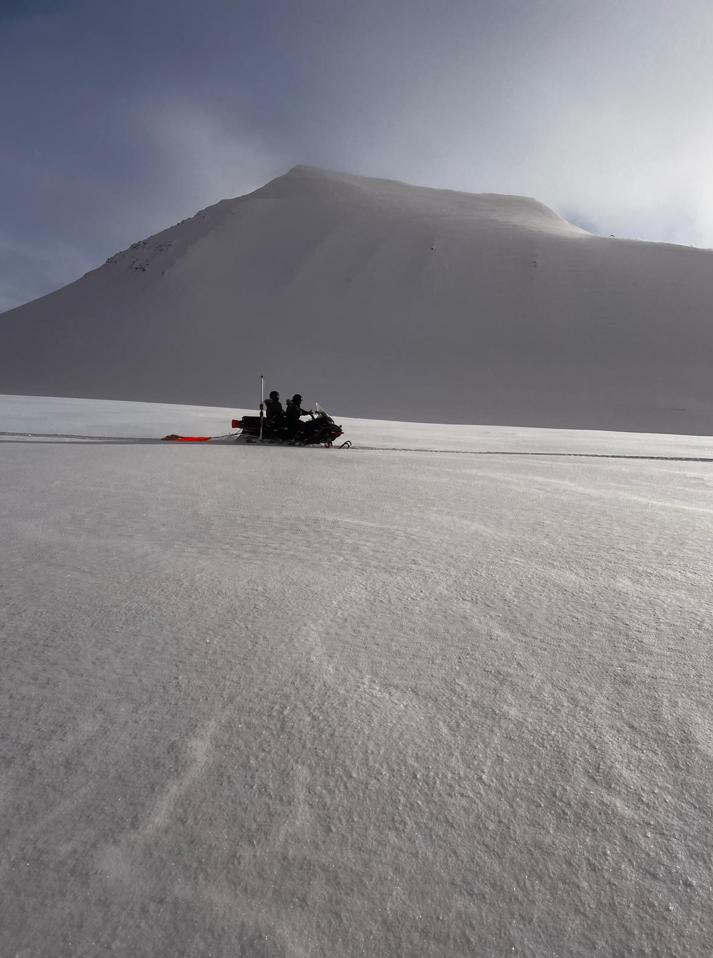
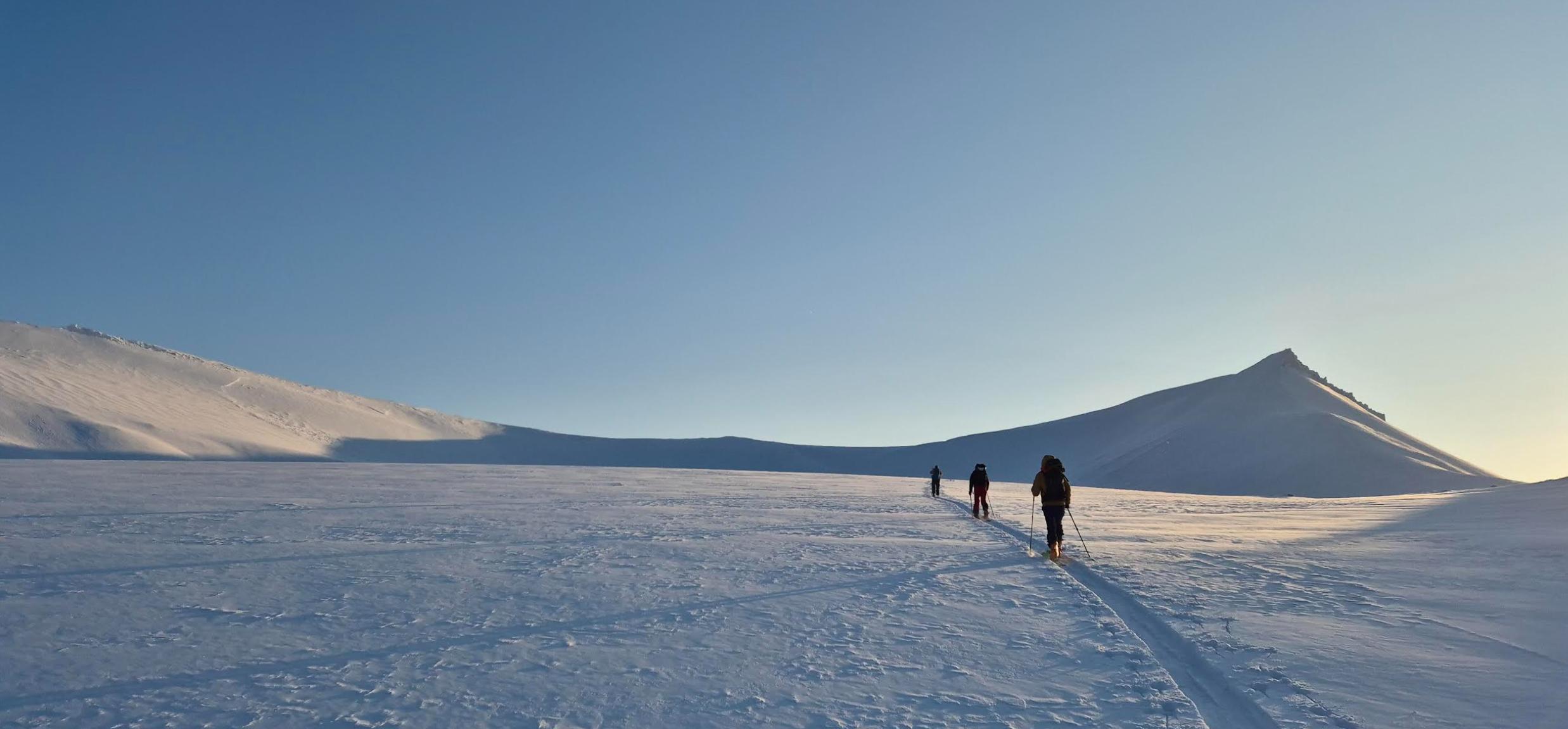
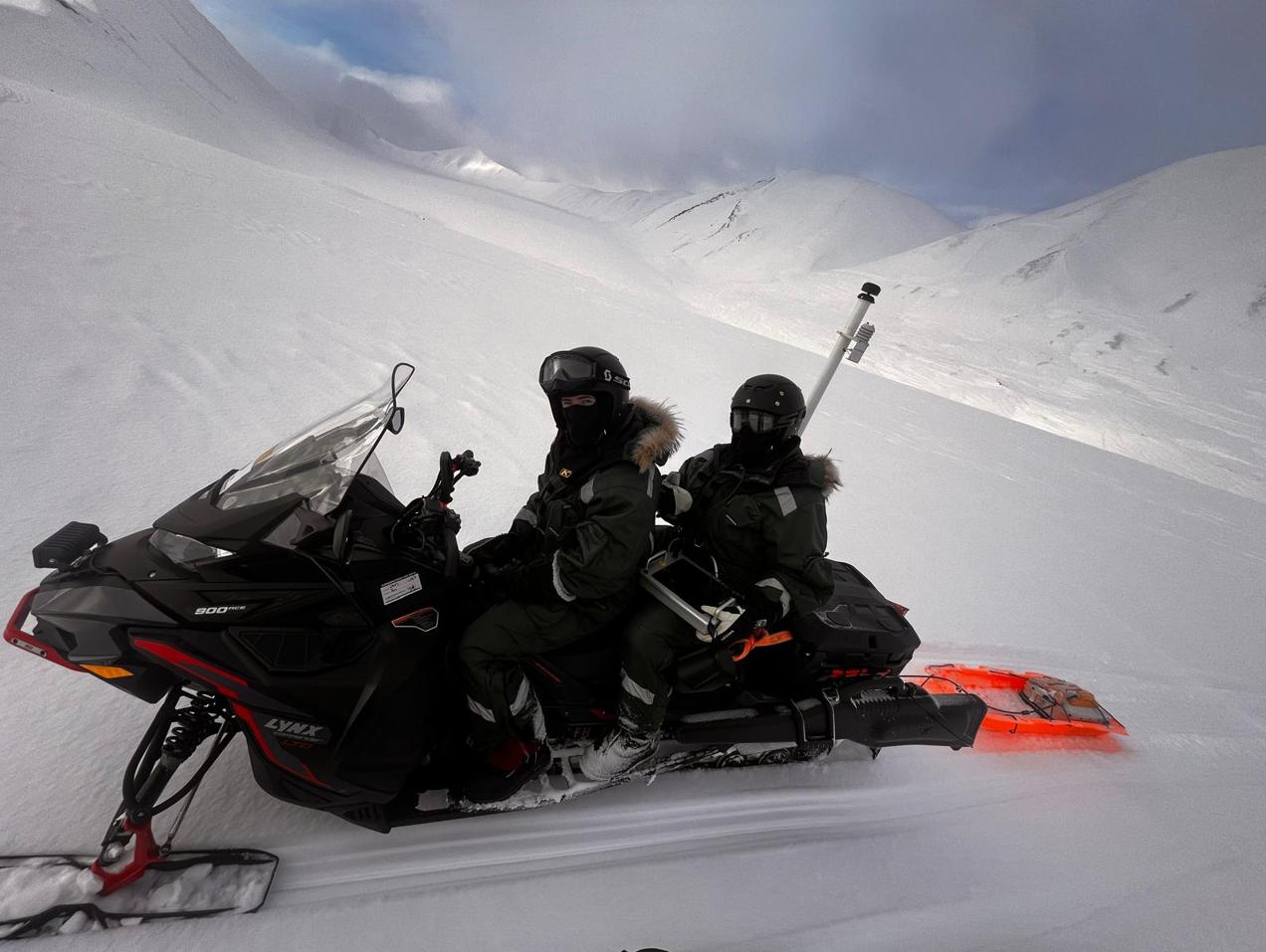
The Glaciology program at UNIS is a six-week course that focuses on investigating the dynamics, thermal regime, and hydrology of glaciers in Svalbard through a variety of field techniques. Over the six weeks, weekly fieldwork was followed by lab sessions, which allow students to gain competence in both field activities and primary data interpretation and analysis. The field techniques used were all new to me, and took place at different sites in Spitzbergen, Svalbard, so as well as learning new field techniques, the course also gave an invaluable experience of exploring Svalbard by snowmobile!
How did you benefit from the programme?
All the field techniques used were new to me, and I had never had the opportunity to actually work on a glacier before! After the course I feel confident in conducting fieldwork using any of the methods we used and understanding the results. I am currently studying a specialized master’s degree in dynamics in Glaciology and Geomorphology, to which this course is directly relevant, and in the future I plan to pursue a PhD in the same field. The experiences and skills I have gained from this course make me more confident that I can achieve these goals.
What were the highlights of the training?
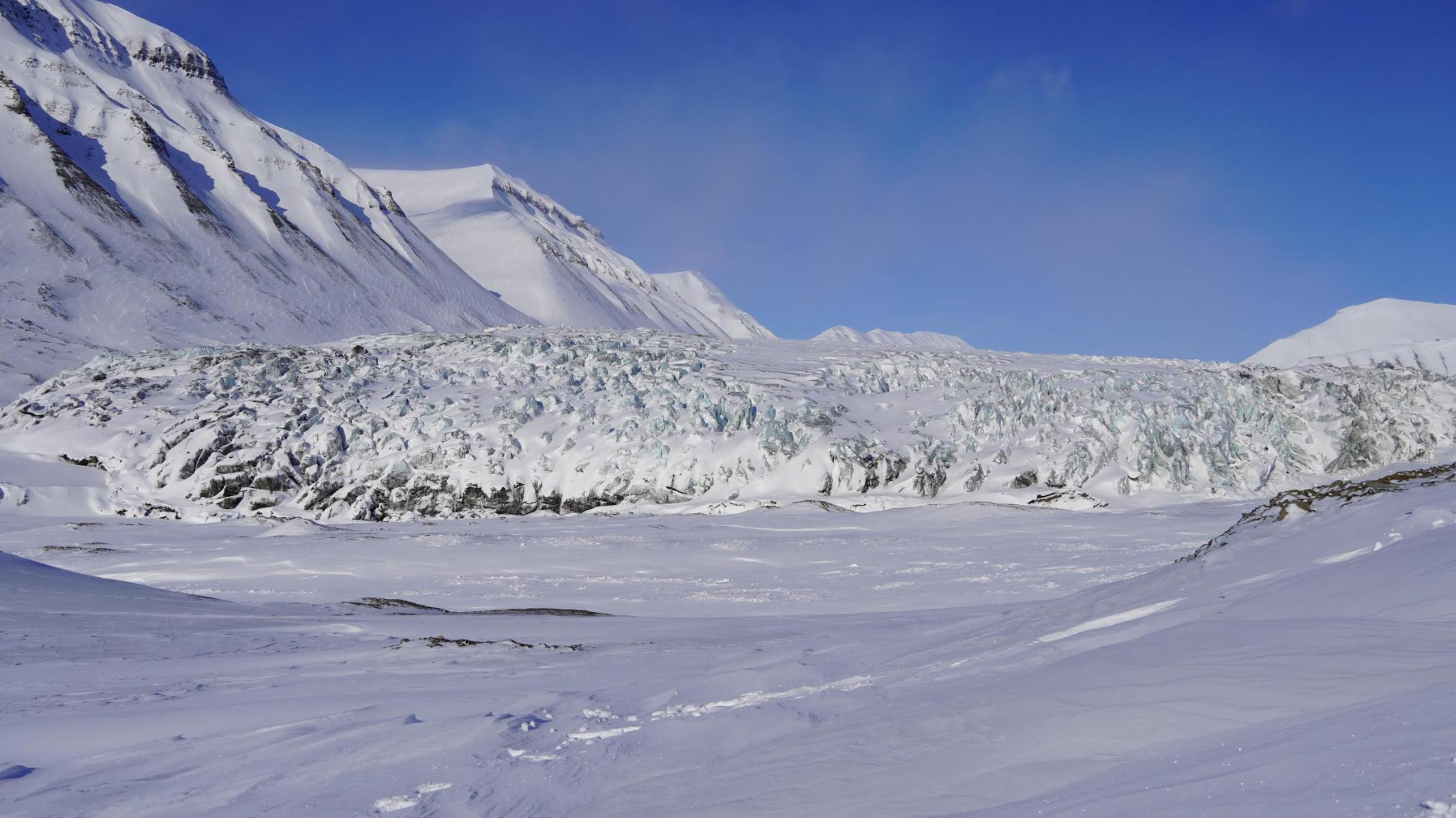
For me, just being able to visit so many glaciers in Svalbard has a highlight in itself, particularly visiting Rindersbukta, which is the home to the highest concentration of surge glaciers in the world. I also loved working with so many people in the same position as me at the beginning of their careers, it was very inspiring to hear stories from around the world of different projects people had participated in. The field skills taught were also invaluable to me, as it was the first training in glacial fieldwork I have had the opportunity to experience.
Would you recommend the programme to other students?
Yes! The experience of living in Svalbard with so many enthusiastic, likeminded people for six weeks is enough for me to recommend it to anyone. Being able to study and understand the unique landscape, especially in a rapidly changing climate has been a privilege. The experience as a whole has left me feeling more confident and able to pursue a career in research.
Details
| Regional focus | Arctic |
| Location | Svalbard |
| Funded amount | 1,500 CHF |
| Project dates | 3rd March 2025 – 11th April 2025 |
| Category | Field and Summer Schools |