Boundary Spanning for Sustainable Innovation in Extreme Teams
Universität Zürich
Lay summary
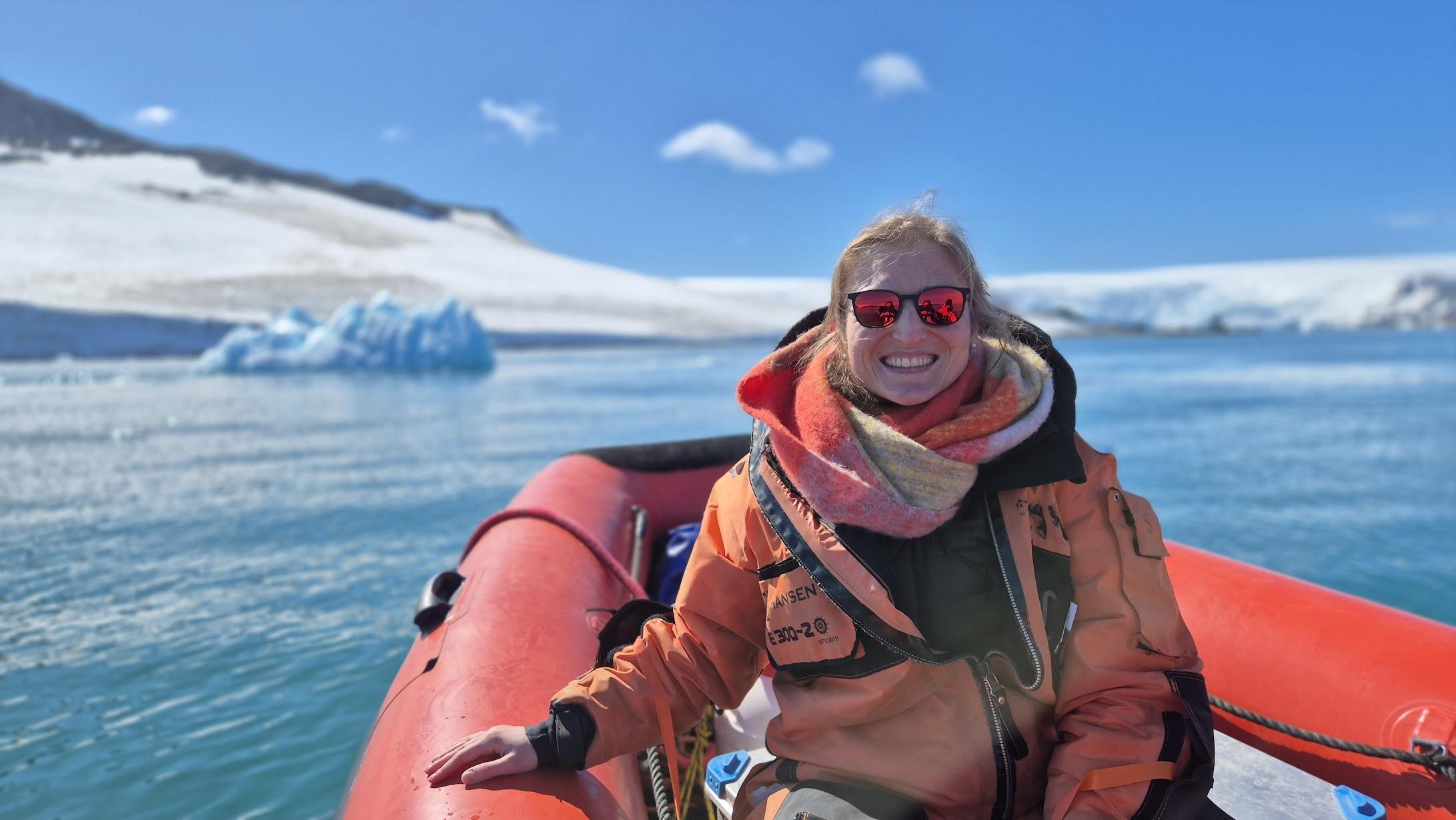
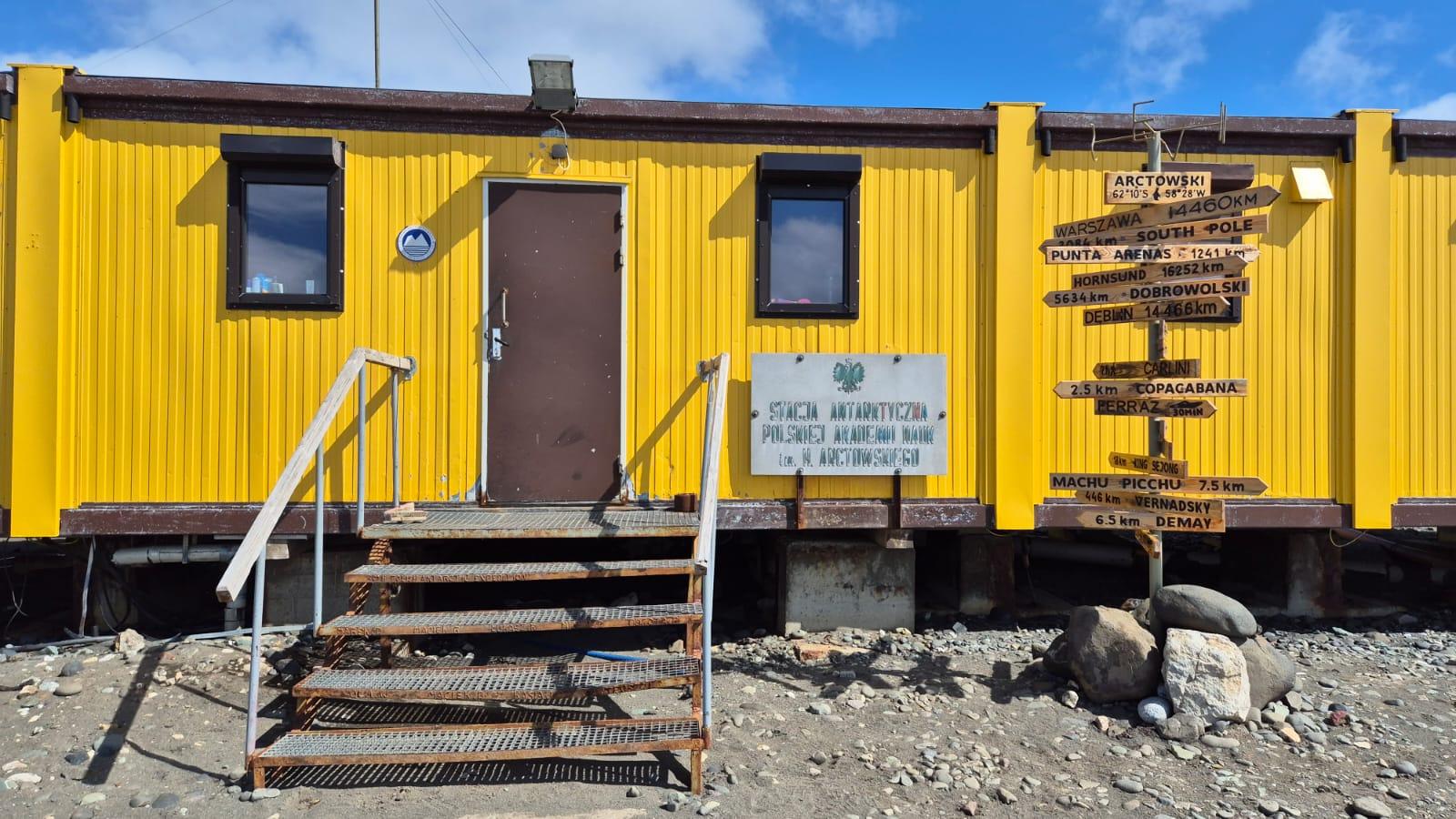
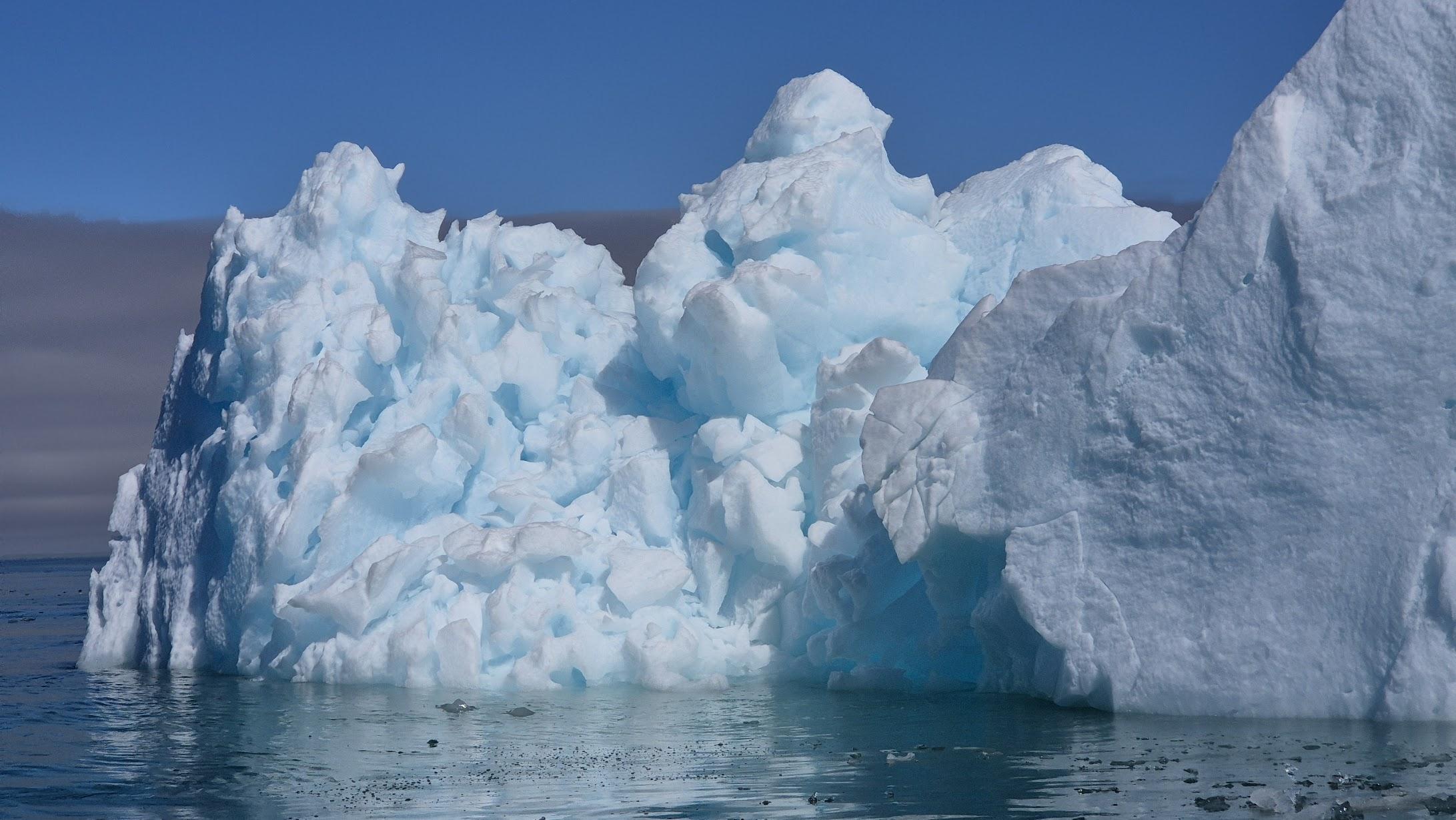
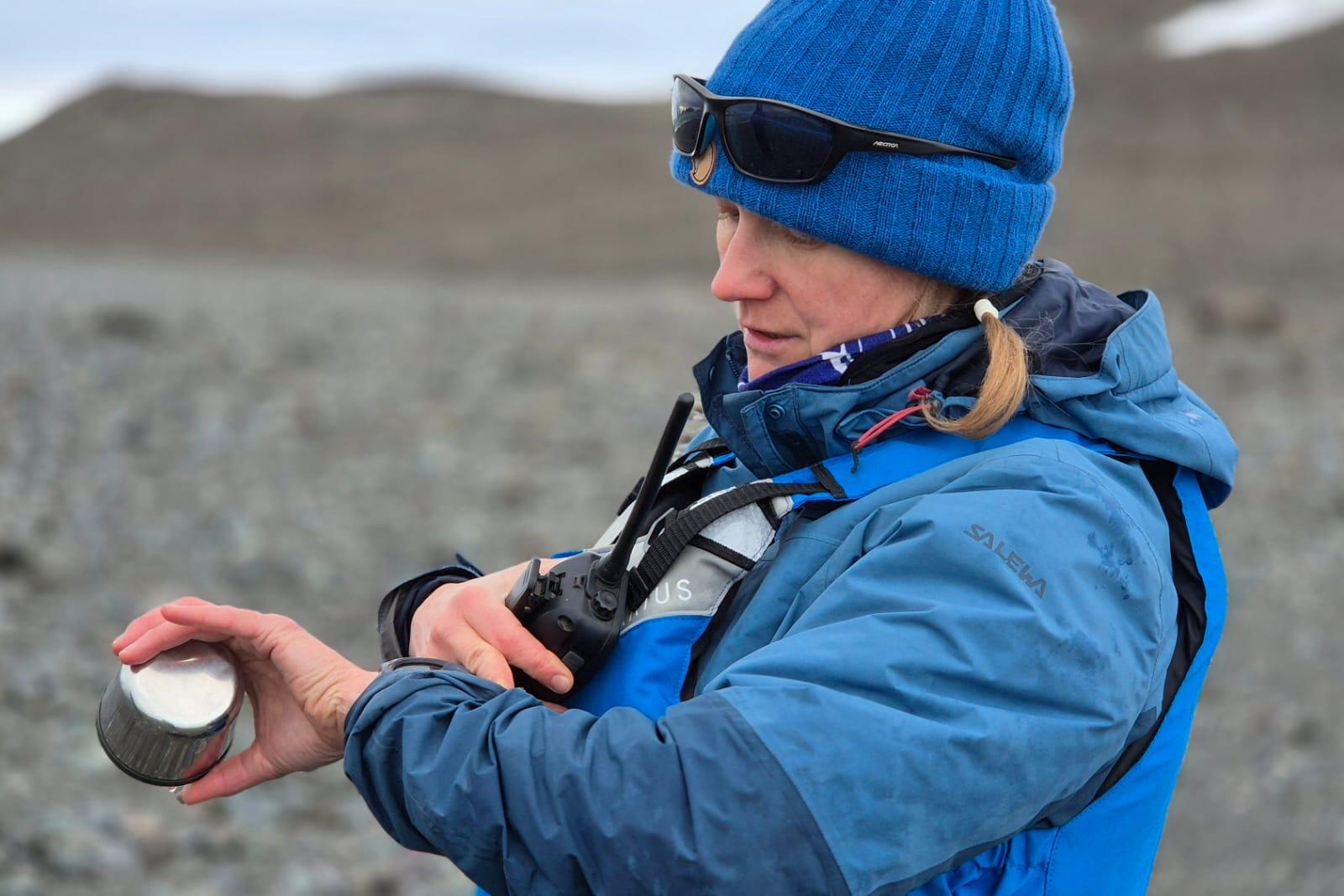
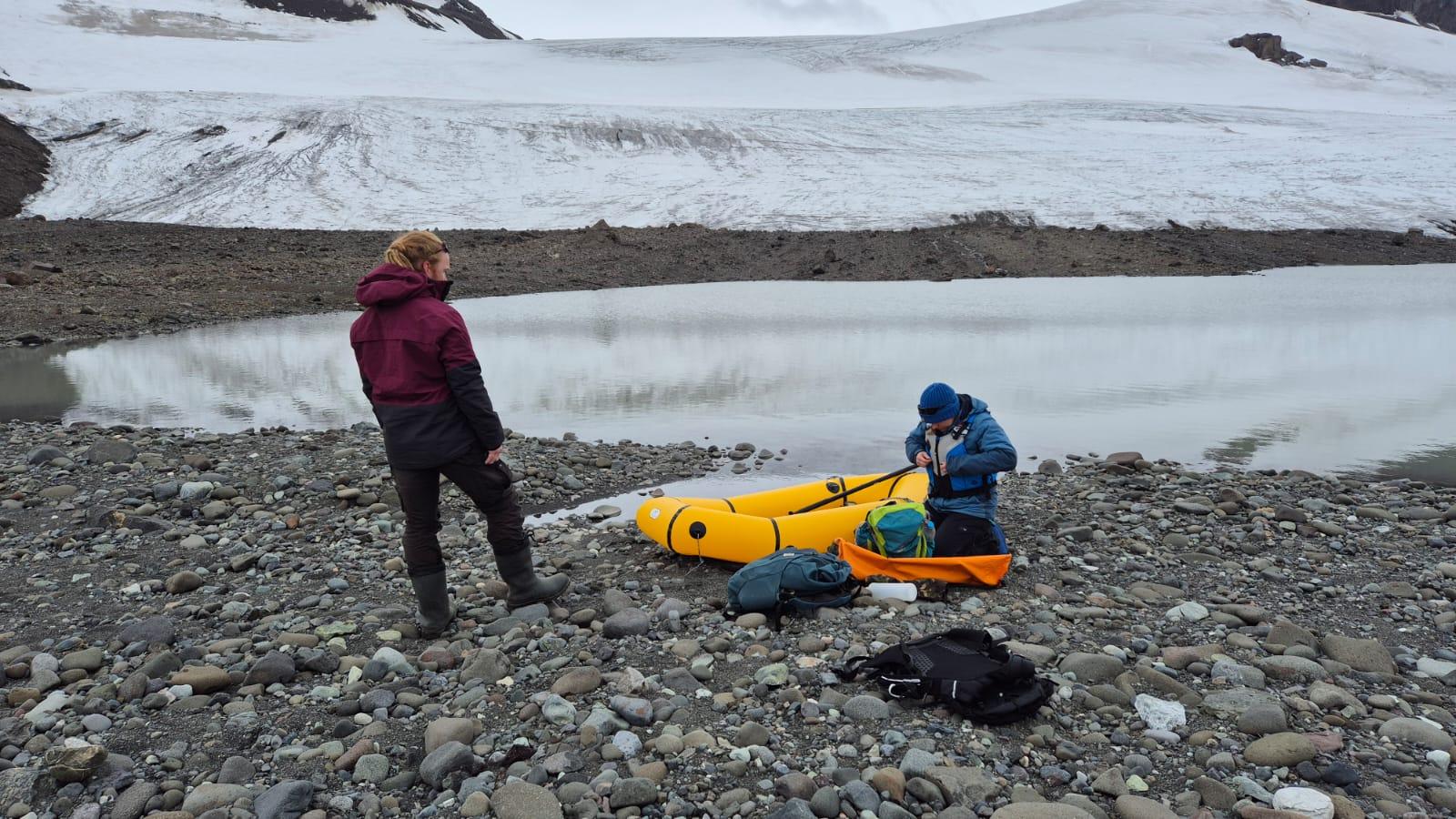
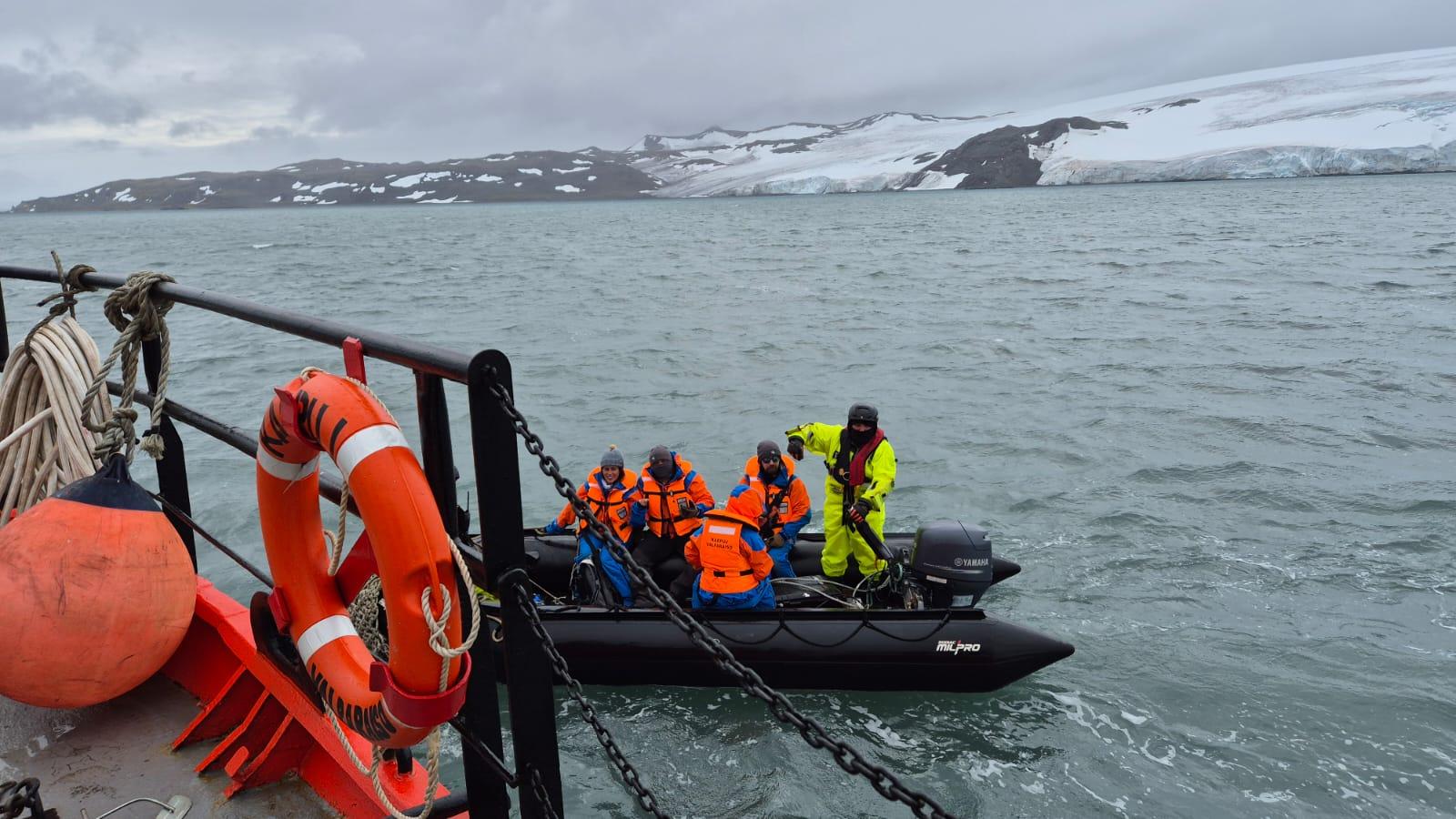
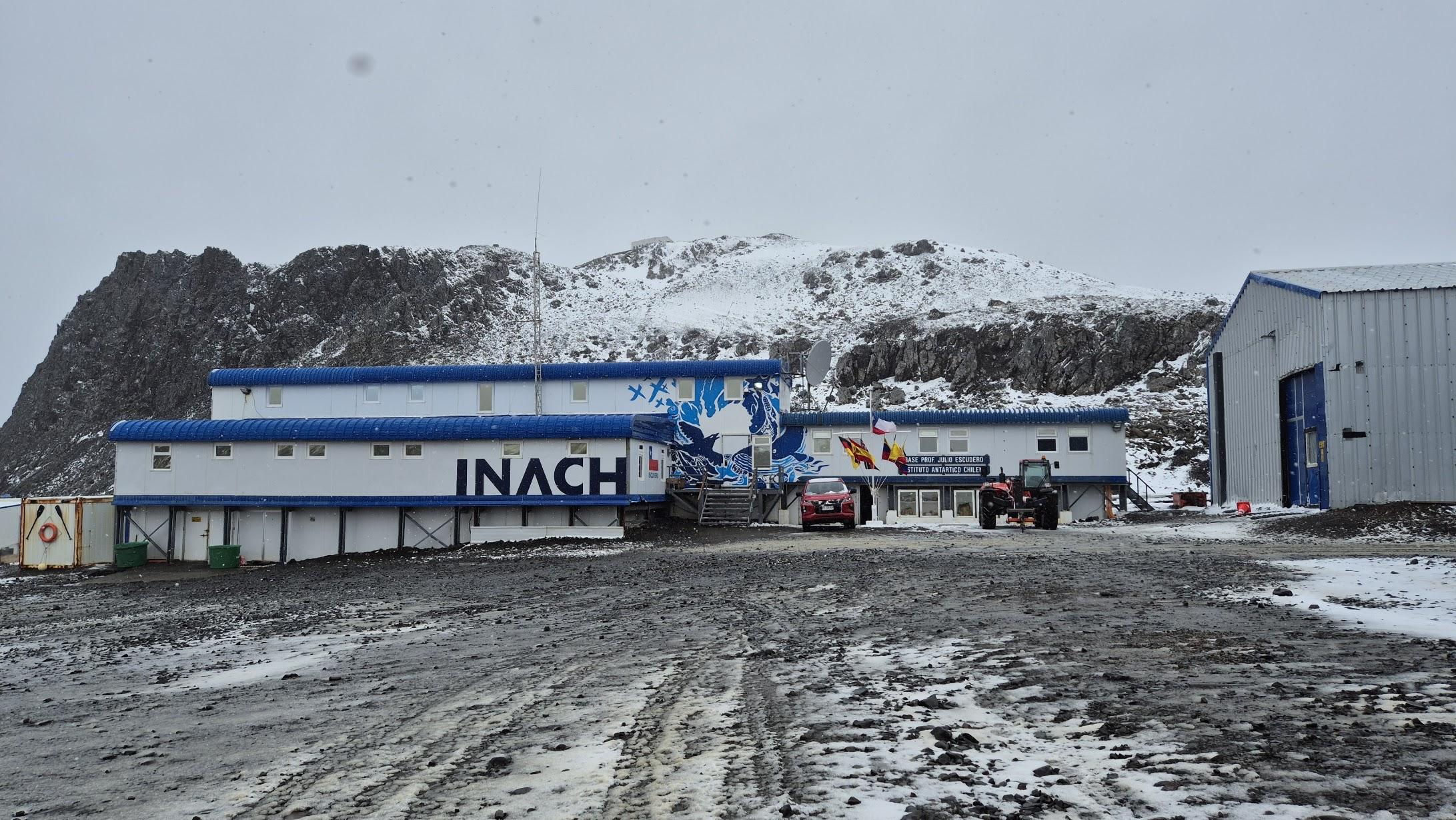
Studies demonstrate that to address the increasingly pressing issues of global sustainability, we need new collaborative approaches. This is particularly important for Antarctic science teams, who have first-hand exposure to the environmental crises (e.g., rapidly melting ice) and must deal with harsh meteorological conditions themselves (e.g., volatile weather). Research shows that boundary spanning, i.e. a collaboration of a team with external actors that can support it in meeting its objectives, helps expand resources and diversity of perspectives leading to novel ideas and increased efficiency in resource usage. However, research also demonstrates that boundary spanning can add additional complexity to collaboration due to sometimes conflicting goals (e.g. competition for resources, territory, or findings). To resolve these gaps, this project will explore how teams can optimize boundary-spanning coordination to drive sustainability, i.e., how collaboration strategies beyond the team, research station, and polar programme boundaries can help address environmental sustainability challenges in Antarctica. The project will adopt a qualitative case study approach, combining semi-structured interviews and structured field observations to develop a multiple embedded case study. The target samples are collaborating teams (including scientists) at King George Island. The research team aims to accompany these teams on their daily activities to clearly describe the behaviours adopted by Antarctic science teams that enable effective collaboration while balancing personal safety and collective priorities for ecological, social, and economic sustainability.
Details
| Regional focus | Antarctic |
| Location | King George Island, Antarctica |
| Funded amount | 8,640 CHF |
| Project dates | 1st November 2024 – 30th April 2025 |
| Category | Polar Access Fund |