Participation in UNIS course AG-353 Arctic Terrestrial and Marine Climate History 2025
Universität Bern
Lay summary
Description of the programme
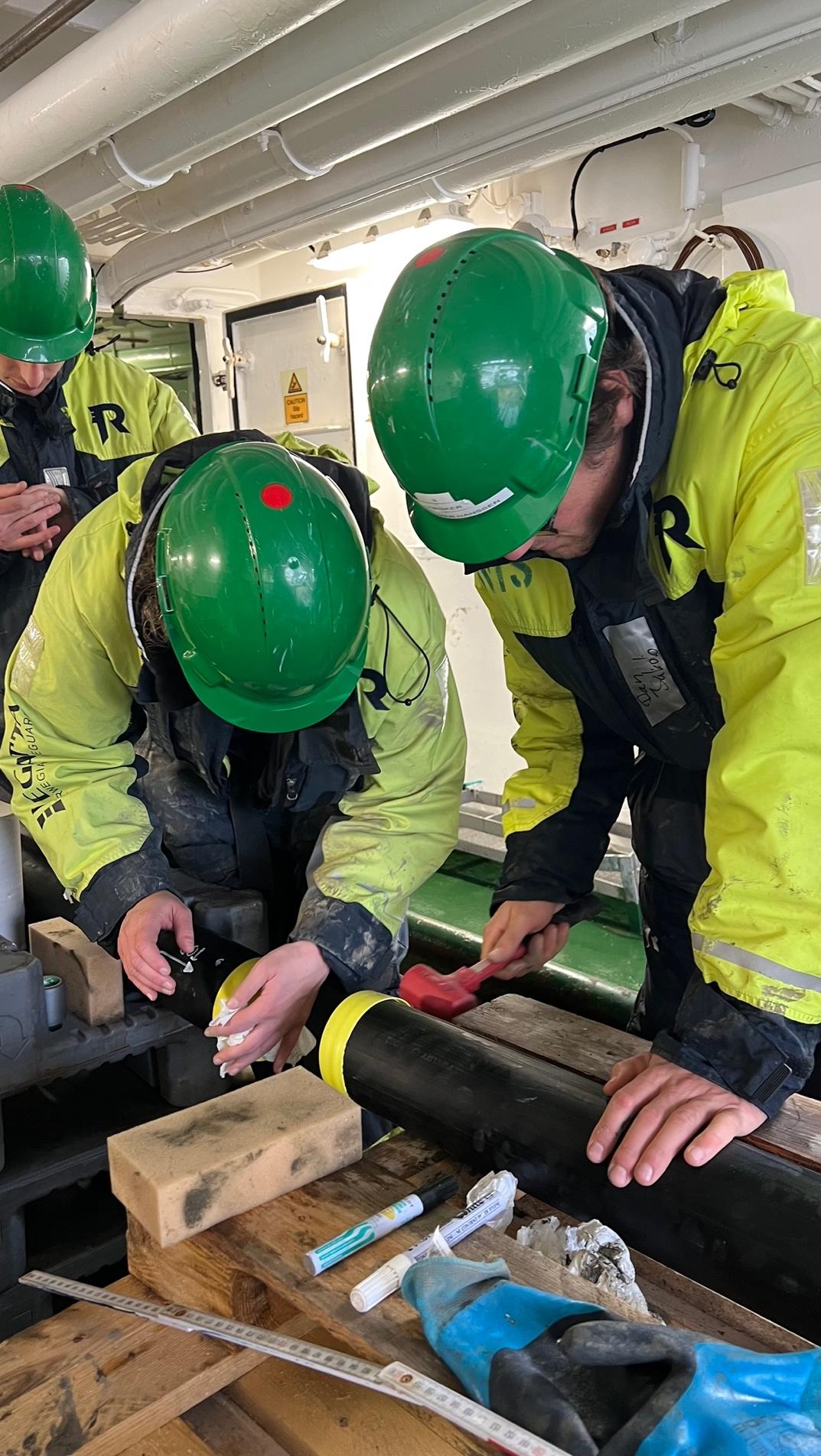
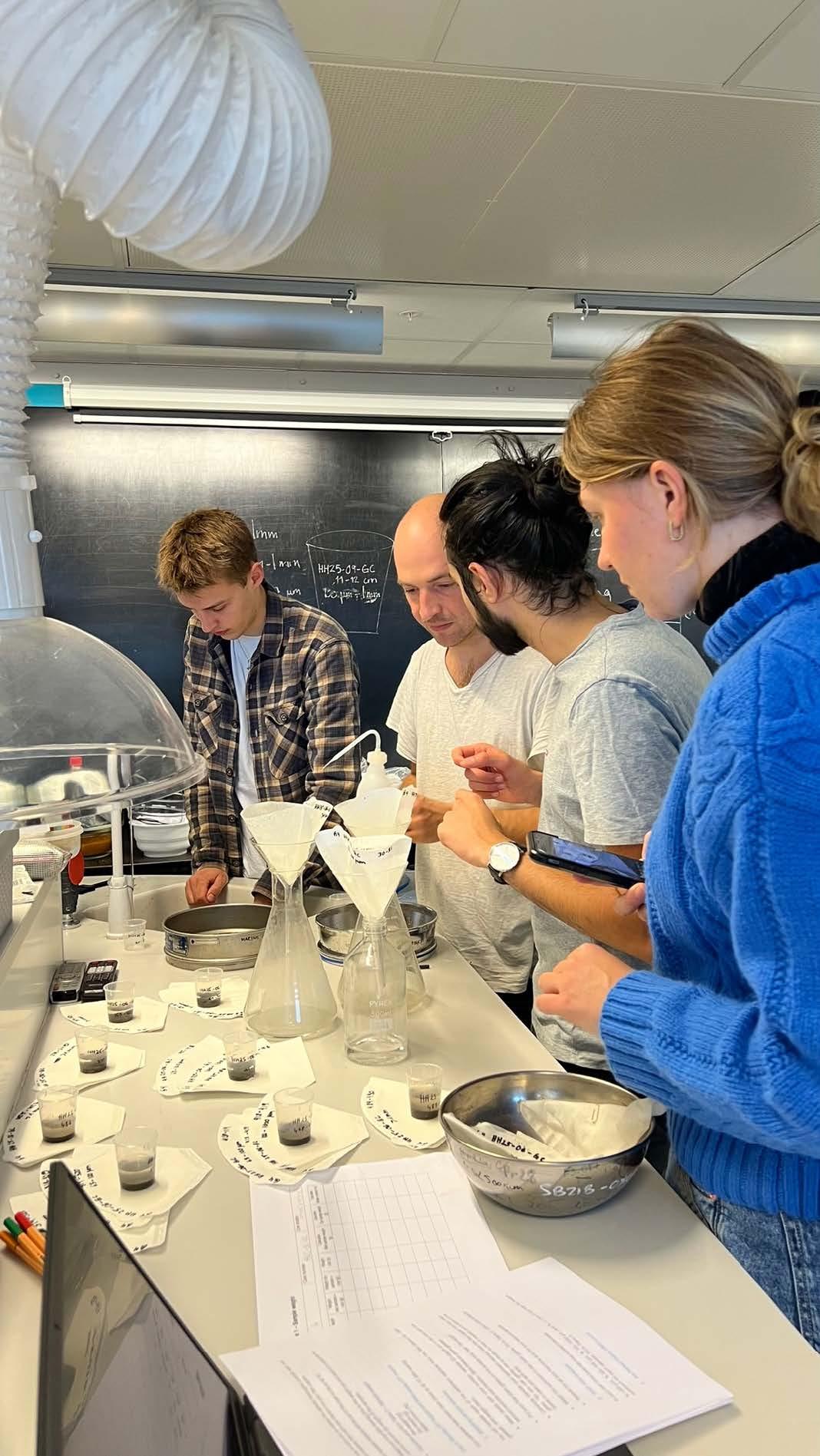
The focus of this course was on learning how to reconstruct past climate and environmental conditions using different marine and terrestrial records. It combined lectures and seminars with fieldwork and laboratory training, which made it a varied and comprehensive learning experience. Part of the practical work was to learn how to retrieve and analyse an arctic marine sediment core for grain size,
foraminiferal assemblages, and ice-rafted debris (IRD), to be able to discuss the evolution of its past environment.
How did you benefit from the programme?
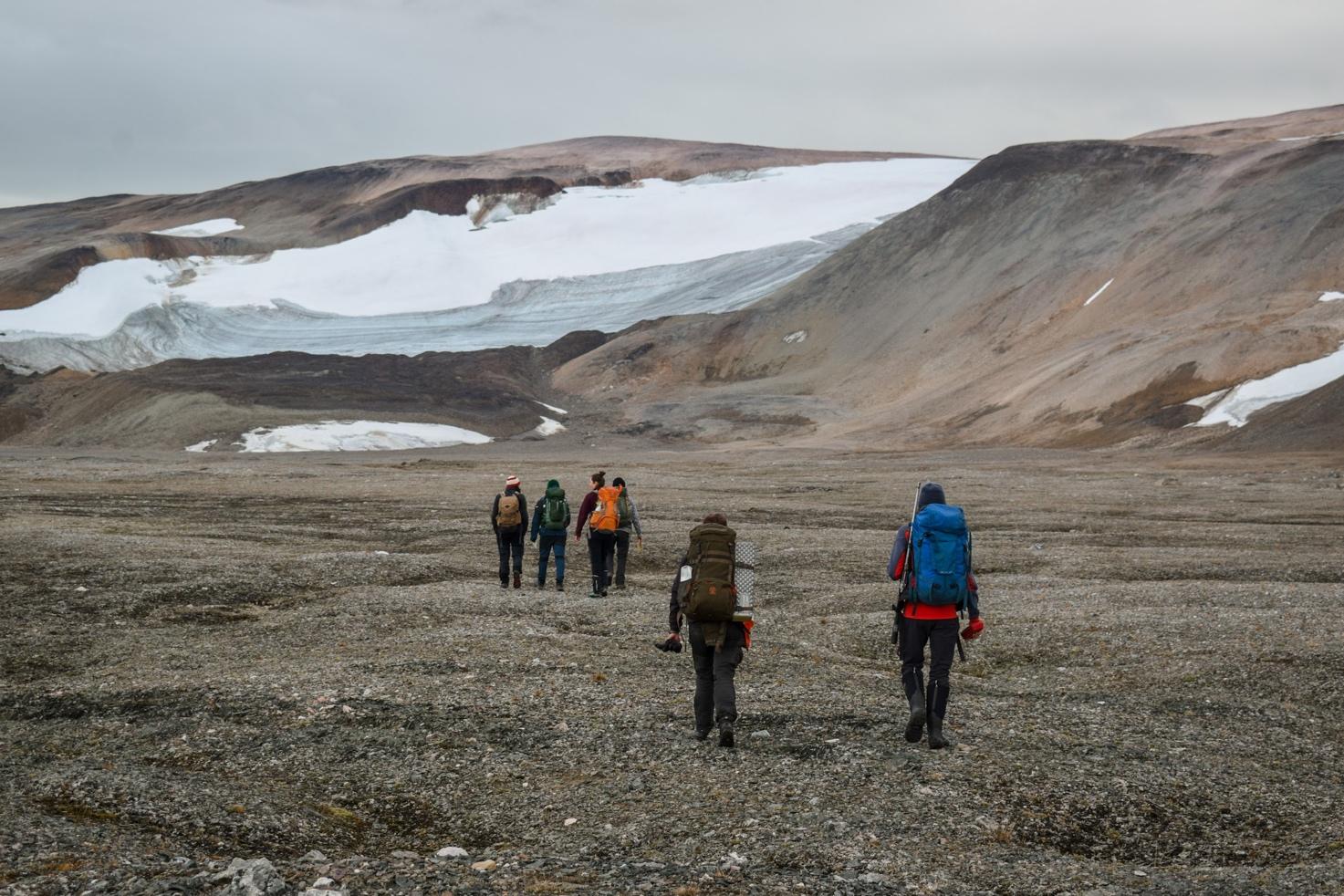
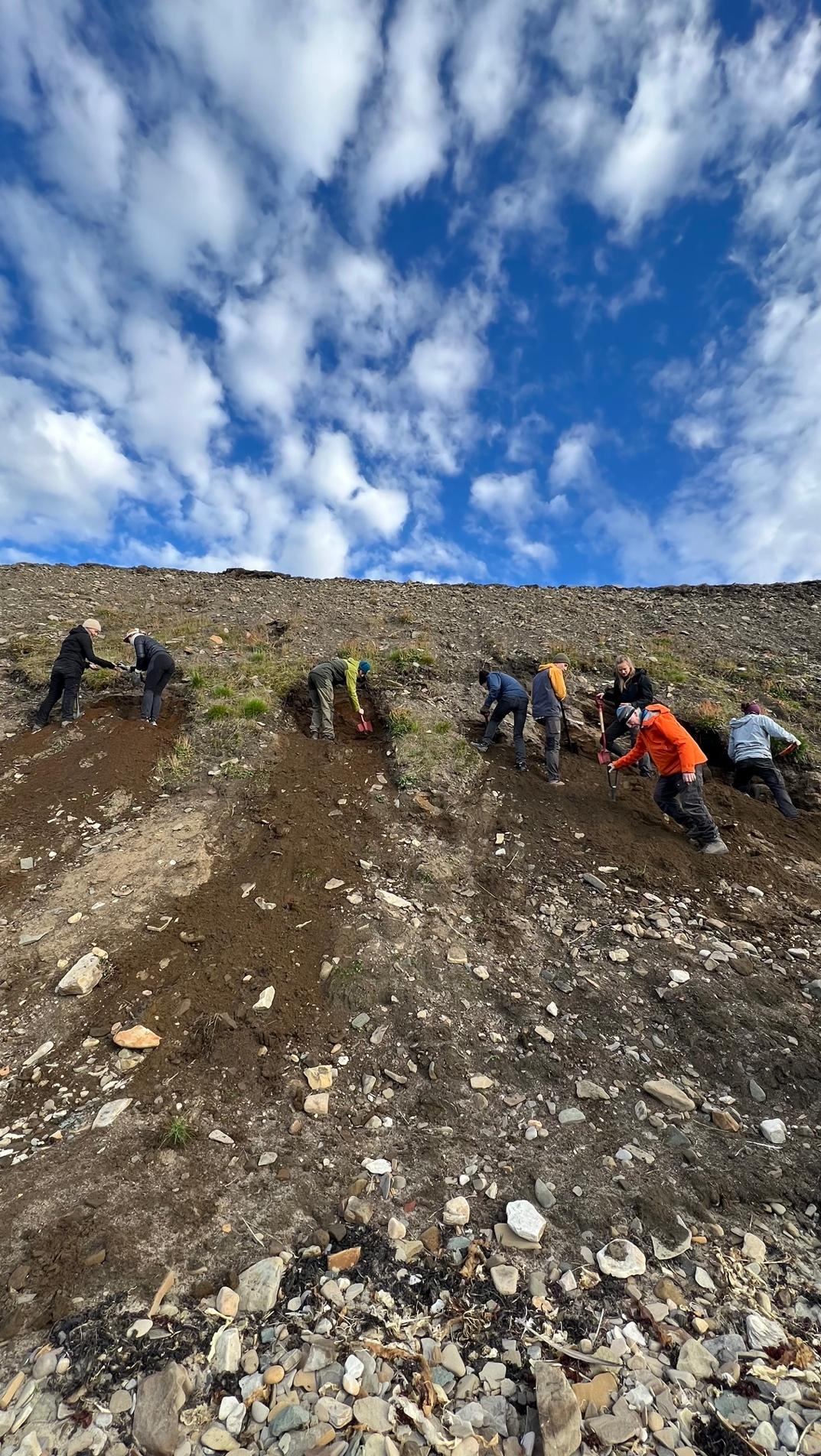
As a student of Climate Sciences, this summer school closely aligned with my academic focus. The field training in interpreting glacial landforms, stratigraphies, and marine proxies provided me with hands-on experience in climate reconstruction within the unique setting of the Arctic.
What were the highlights of the training?
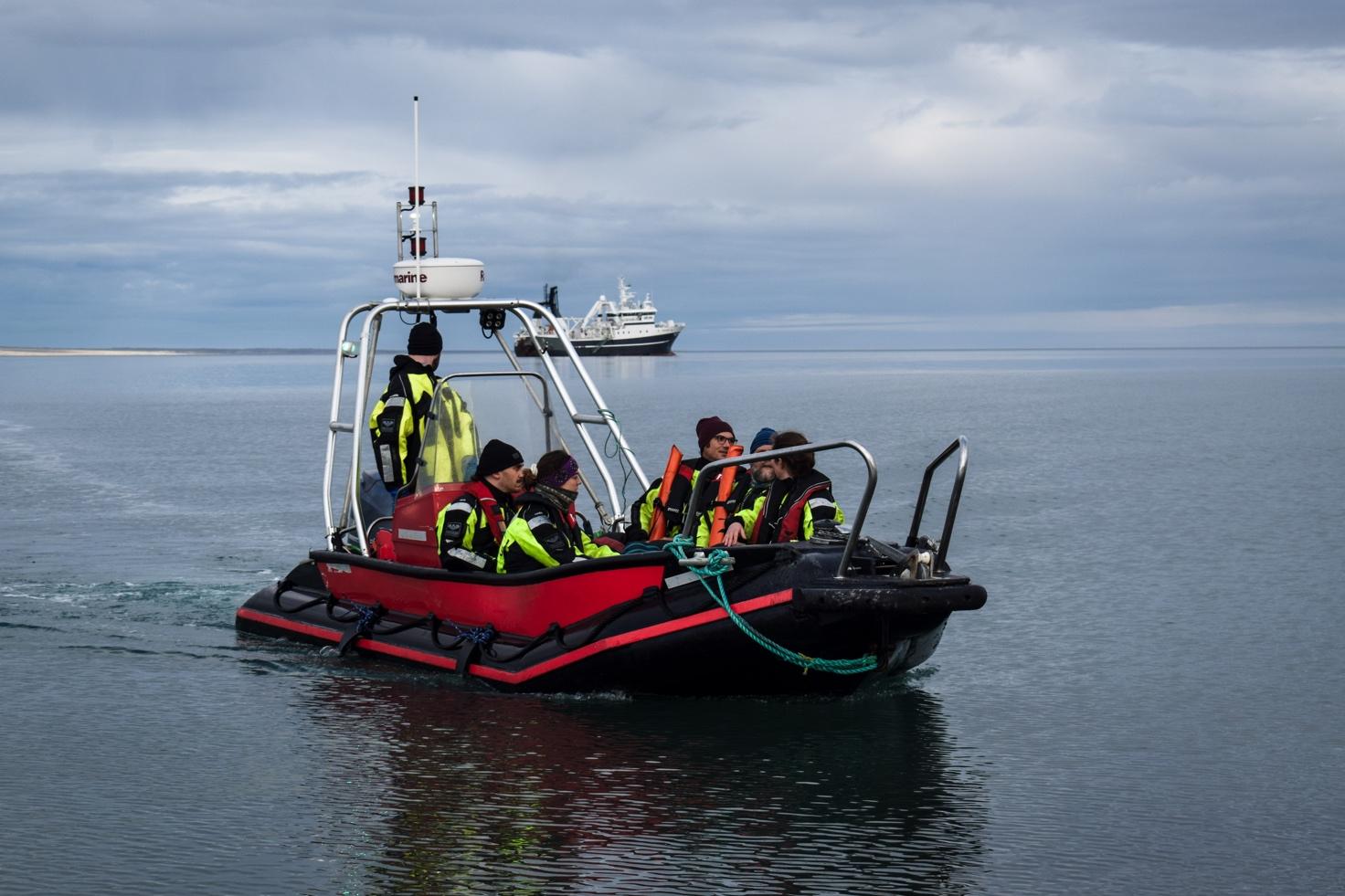
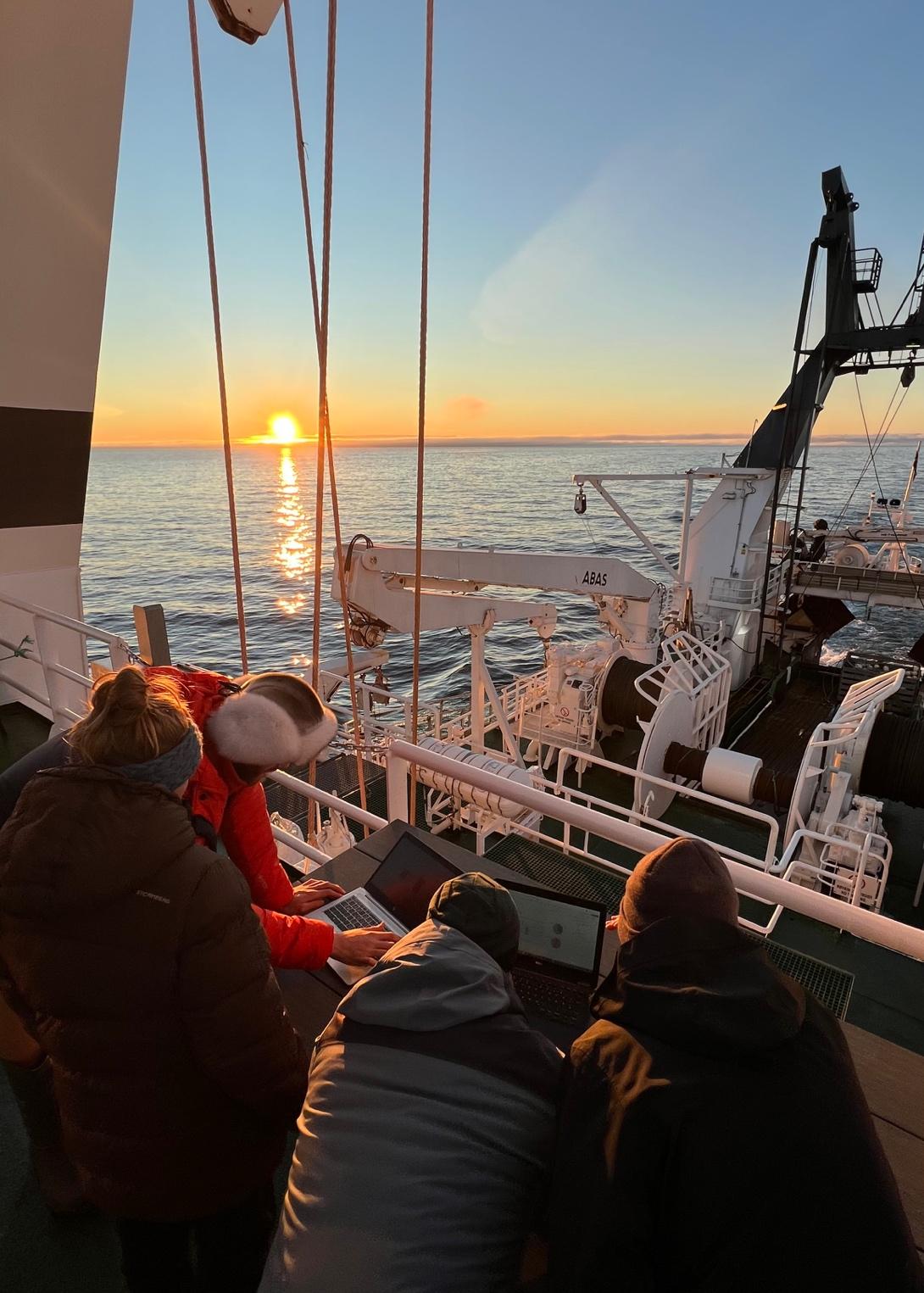
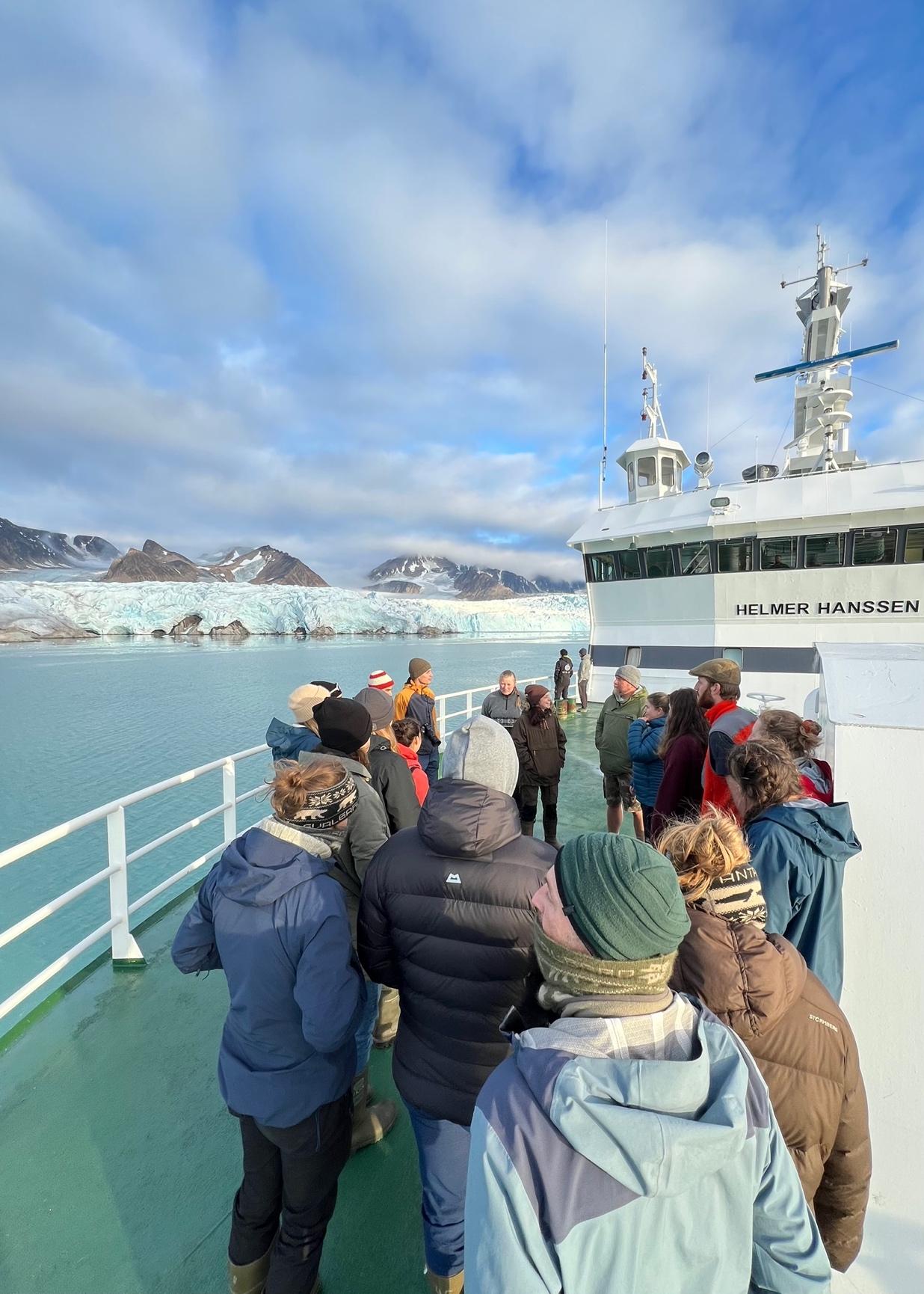
The course included five exciting days aboard the research vessel Helmer Hanssen, during which we conducted research at both marine and terrestrial sites. This unique opportunity taught me a great deal about the challenges and uncertainties involved in planning and carrying out research in the Arctic. Furthermore, working in groups with people from diverse academic backgrounds enabled engaging and valuable exchanges.
Would you recommend the programme to other students?
I highly recommend this course to anyone who is interested in climate reconstruction from sediment records and paleolandforms, and who wishes to learn more about the Arctic environment. The course is well-structured and well-organised, and the instructors put a lot of effort into making it a truly outstanding experience.
Details
| Regional focus | Arctic |
| Location | Svalbard |
| Funded amount | 1,500 CHF |
| Project dates | 11th August 2025 – 19th September 2025 |
| Category | Field and Summer Schools |