
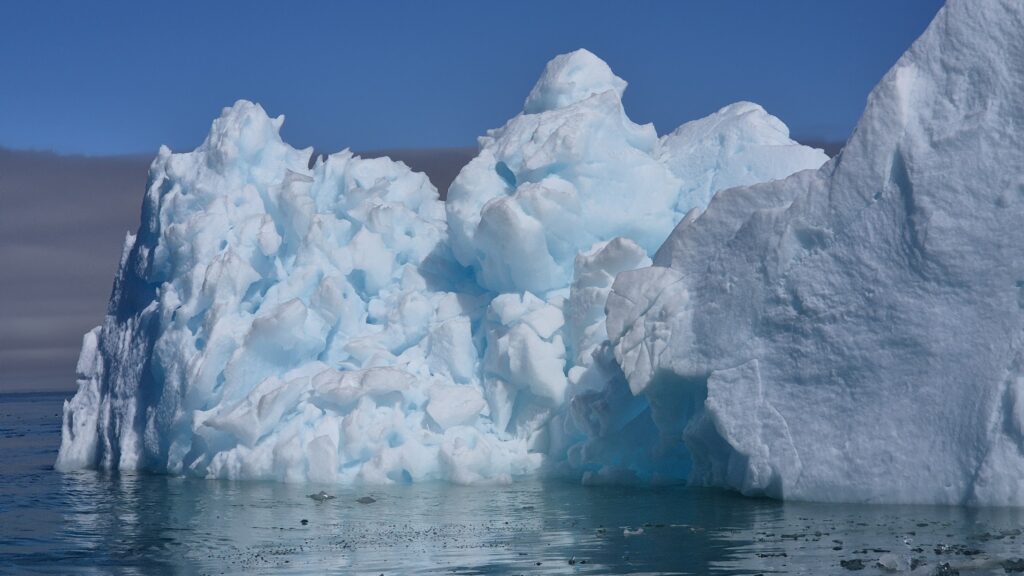
As predicted, the journey plan to Antarctica was evolving as dynamically as the extreme team dynamics data we expected to uncover in such an extreme context. The volatile Antarctic environment seemed to have transcended into the polar mindset. However, after months of preparations and several days of anticipation in Punta Arenas (Chile), we finally reached King George Island on a cloudy dawn of the Antarctic summer. The first thing I noticed was the wind – persistent, sharp, and full of salt from the surrounding Southern Ocean.
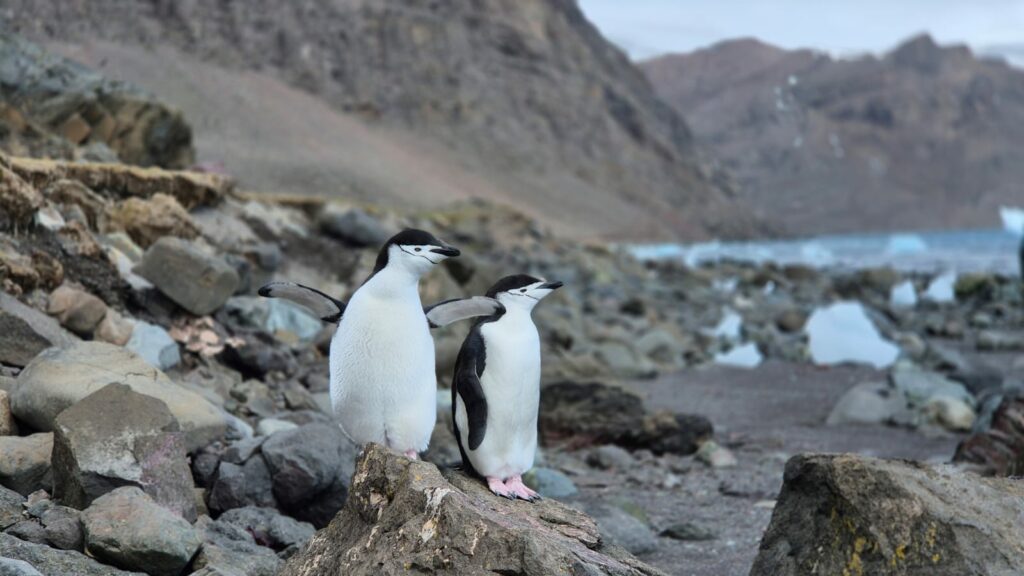
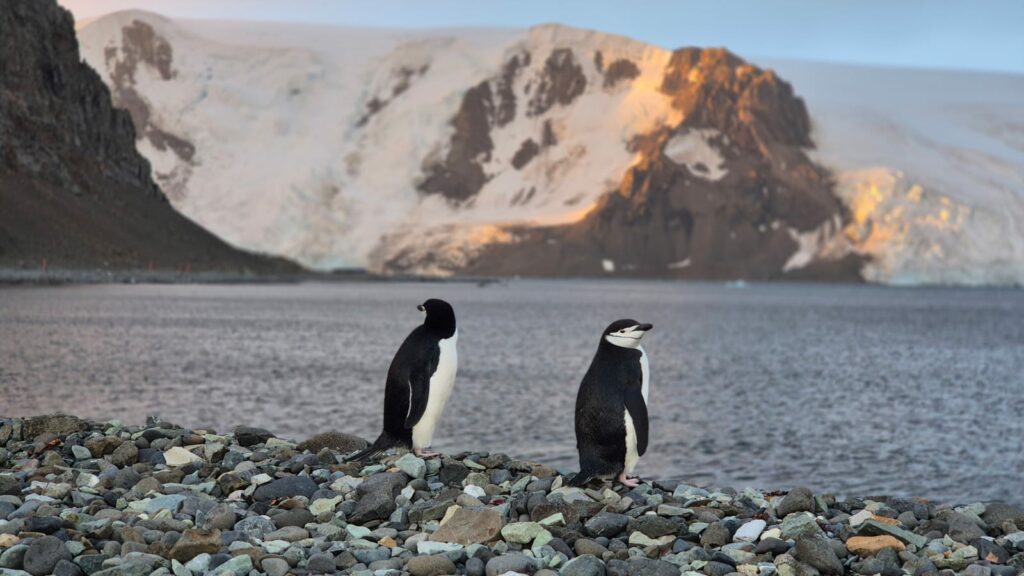
Our PROPOLAR flight touched down at Teniente R. Marsh Airport on 16 January 2025. After the initial penguin observations, luggage searches on the beach, and attempts to contact logistics, we got the first hints of the Antarctic hospitality. Despite the chaos of the new arrivals, we were offered a shelter and a hot meal, which meant everything in that moment. Although it was not clear when and how we could get to our destination, it turned out we were fortunate. Within just a few hours, we were already on our way to Arctowski (Polish Antarctic Station), our first research base. After only 4h on a Karpuj vessel of INACH, we reached our home for the next few weeks. How positively weird it was to be welcomed on the Zodiac boats in familiar Polish language!
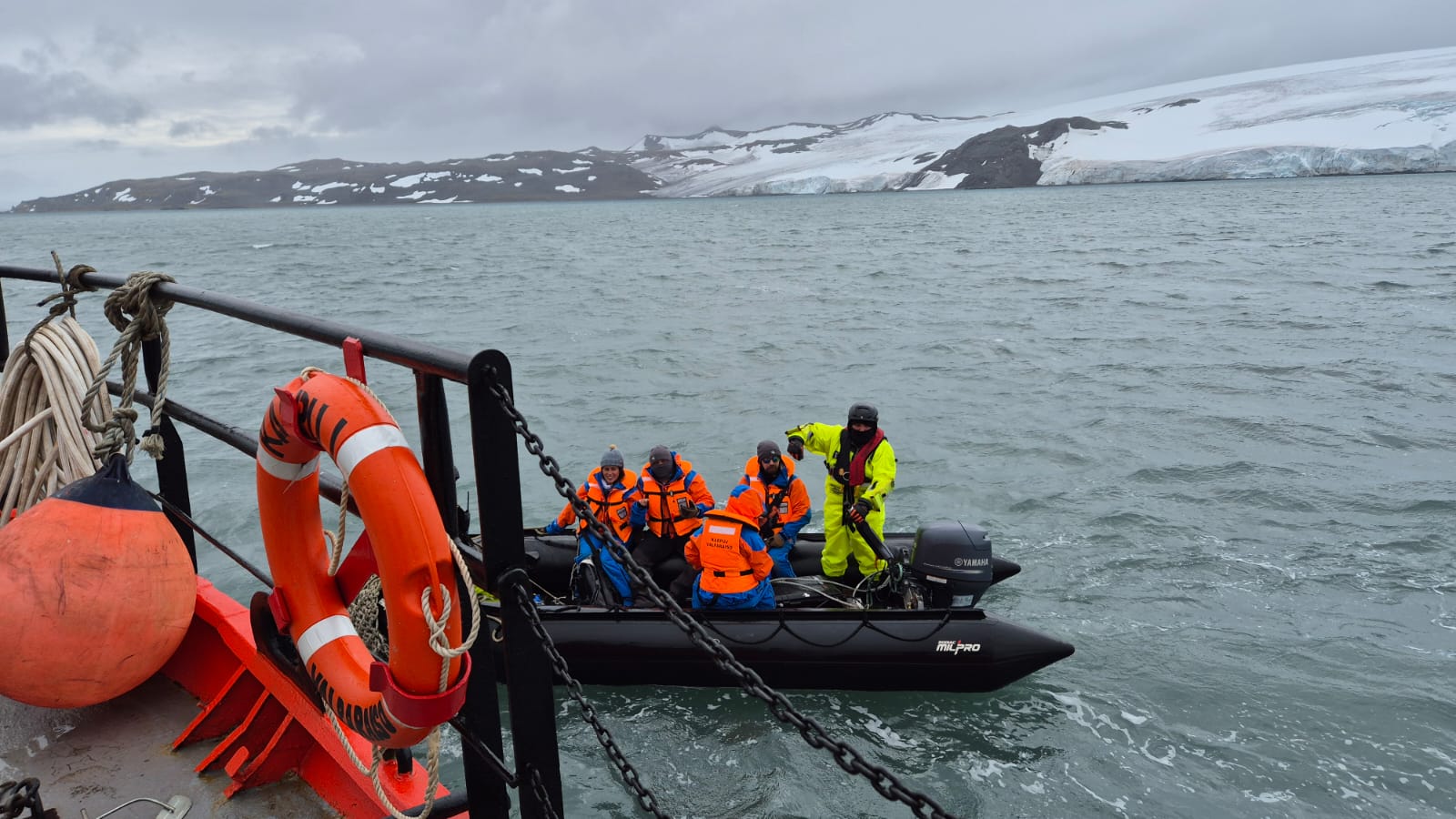
The objective of our research expedition was to explore a deceptively simple question: how can Antarctic teams collaborate beyond their own team and research station – across national, programme, and disciplinary boundaries – to achieve sustainability goals in one of the harshest environments on Earth? Over the next three weeks, my colleague, Andres Käosaar, and I immersed ourselves in the daily lives of scientists, engineers, logisticians, and station staff from multiple countries.
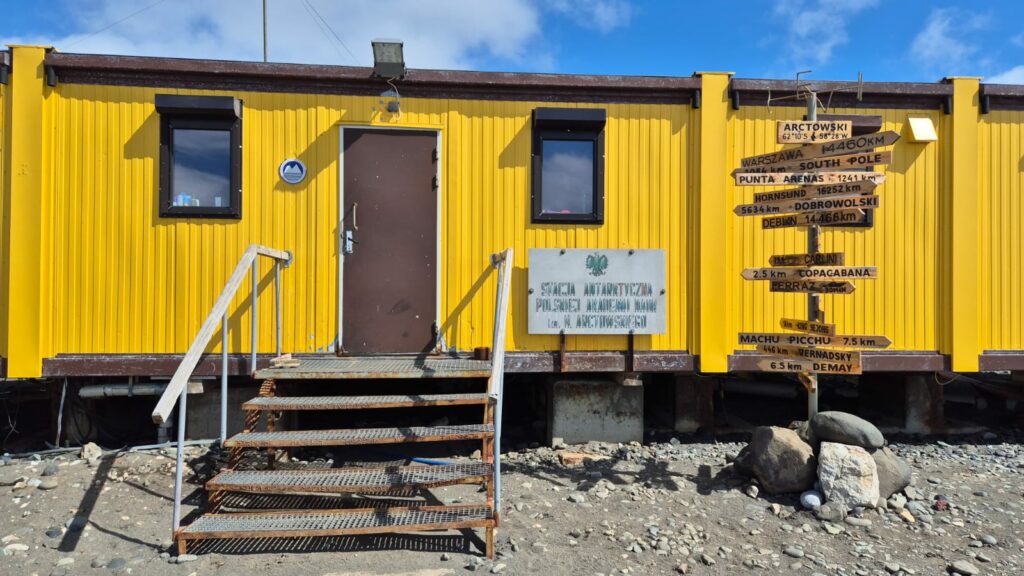
At Arctowski, we observed and interviewed crews braving icy winds for essential research, scientists monitoring penguin colonies, engineers ensuring the station’s power supply remained stable, and staff taking care of the station’s maintenance. From here, we also visited Ferraz and Machu Picchu stations for daily data collection and met the researchers from the Copacabana base.
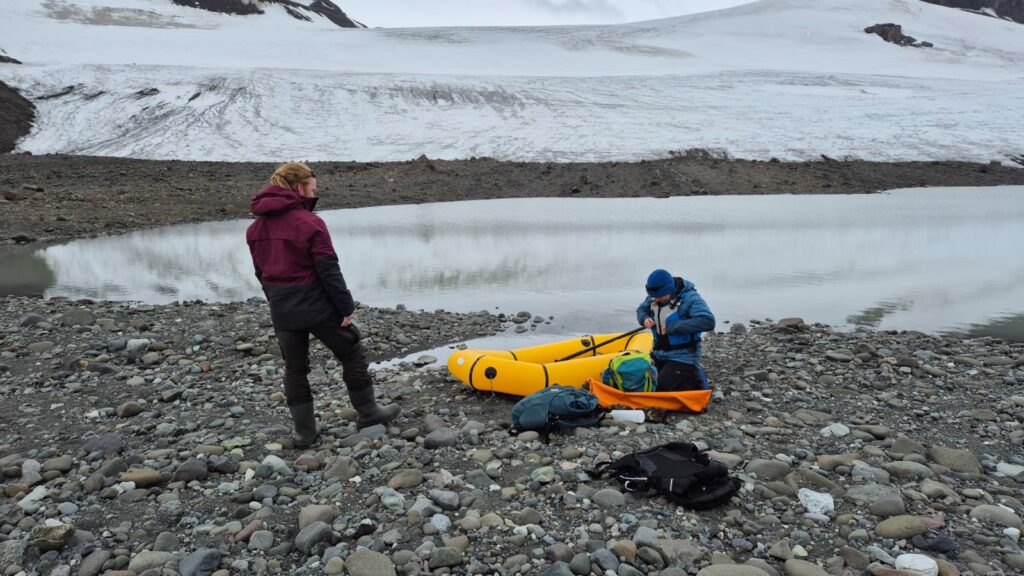
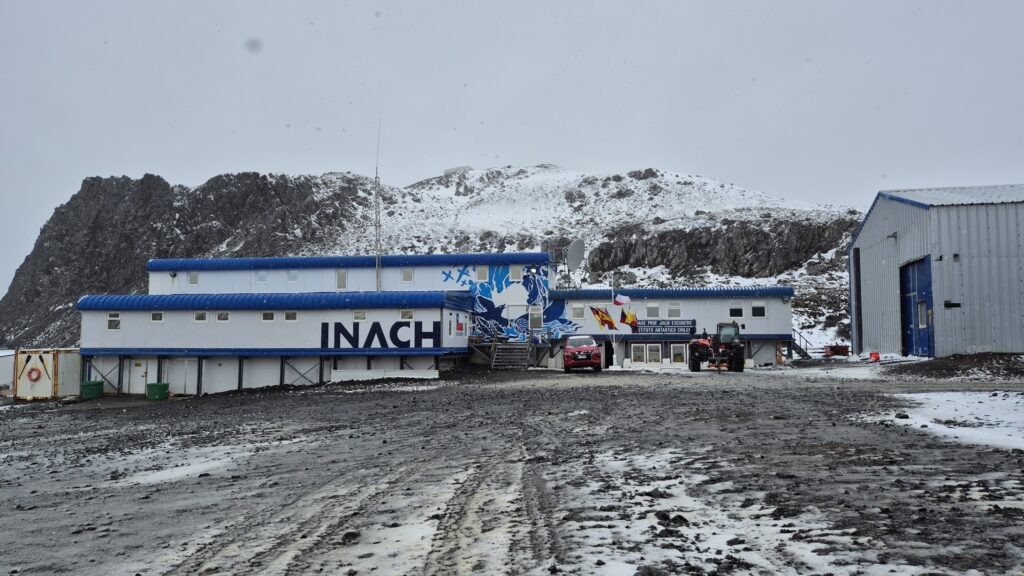
After prosperous 18 days, our work continued at Escudero base for the next 6 days. The vibrant hub of the Chilean Antarctic base also allowed us to connect with the Great Wall and Artigas stations, among others. Each visit meant new conversations, new stories, and new lessons about collaboration when resources are scarce and the stakes – for the people, their safety, and the planet – are high.
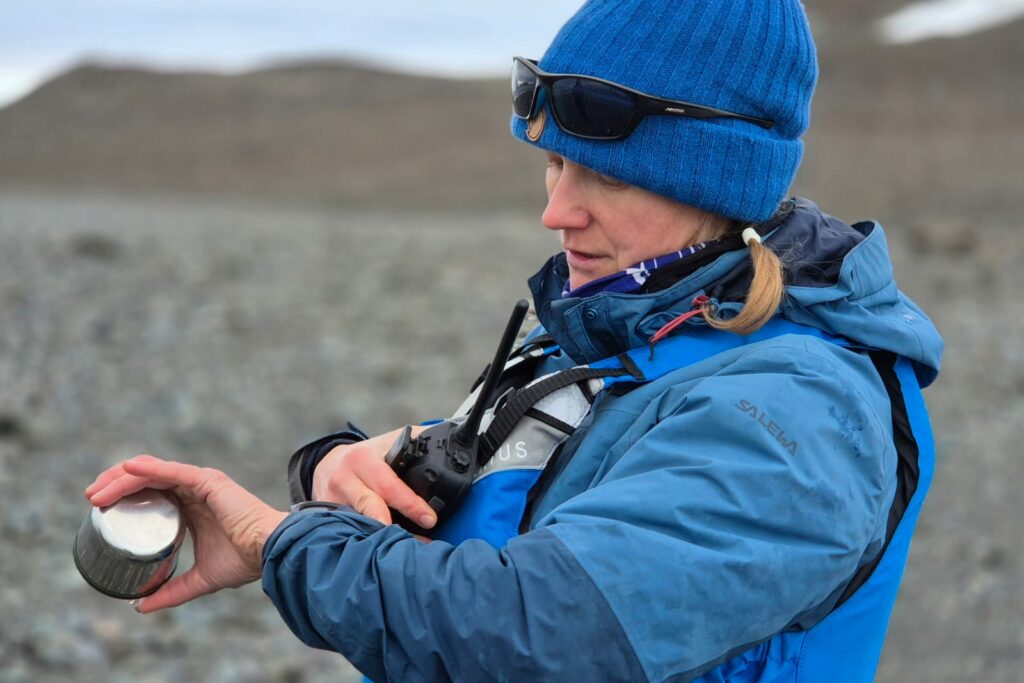
By the end of our expedition and data collection, we had collected about 96 interviews in four languages (Polish, English, Italian, and Spanish) from nearly 90 participants. This included the pre- and post-expedition interviews we managed to obtain. This data was complemented by structured fieldnotes, photos, and videos, capturing everything from morning coordination briefings to impromptu problem-solving sessions in the middle of a snowstorm.
One of the most rewarding surprises was how much more we achieved than initially planned. Thanks to the hospitality and trust of station teams, we accessed more sites and participants than expected, building an incredibly rich dataset that will inform our multiple embedded case studies on extreme team collaboration.
The insights we are uncovering extend far beyond Antarctica. They address the broader question of how teams working in extreme conditions – whether for science, disaster response, or space exploration – can collaborate effectively across boundaries to maintain successful and lasting collaboration and address urgent global challenges such as climate change.
This work would not have been possible without the invaluable contributions of my collaborators – Prof. Jan Schmutz, Prof. Pedro Marques-Quinteiro, Andres Käosaar, and the dedicated student assistants who supported this project. I am also profoundly grateful to the Swiss Polar Institute, IBB PAN, Arctowski, INACH, PROPOLAR, and EURAM for making this project a reality. Conducting immersive fieldwork in Antarctica involves highly complex logistics. Yet, such direct engagement is essential, as building trust and in-person relationships is necessary to obtain authentic, first-hand, and high-quality data in this unique context. The support of these institutions made this demanding but critical research project possible.
As we now turn to data analysis, I carry with me not just terabytes of interview transcripts and fieldnotes, but also the memory of standing on a frozen shore at midnight, watching the last light fade over the South Shetland Islands – a quiet reminder of why collaboration for sustainability matters.
Monika Maślikowska is a Postdoctoral Researcher (Applied Team Research) at the University of Zurich. Her field trip took place at the beginning of 2025 with financial support from a Polar Access Fund.
Header photo: © Andres Käosaar, all rights reserved